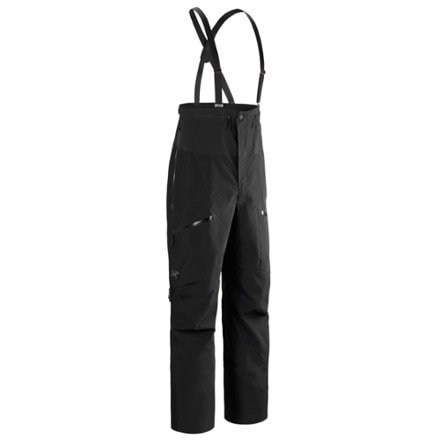
GORE-TEX Pro Downhill Skiing
(6 products)- Arc'teryx (6)
- Deals (3)
- $200.00 to $499.99 (1)
- $500.00 to $749.99 (4)
- $750.00 to $999.99 (4)
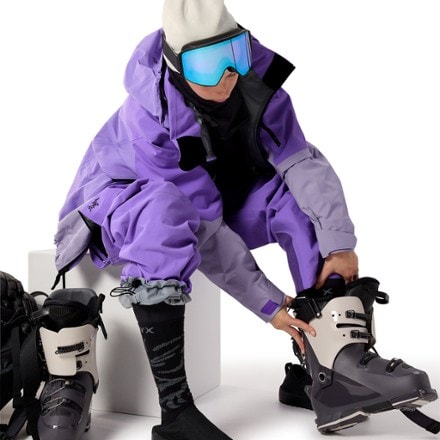
- Waterproof (6)
- RECCO Reflector (5)
- Side Cargo Pockets (3)
- 2-Way Zipper (3)
- Powder Skirt (2)
- Insulated (1)
- Bibs (1)
- Hooded (3)
- Boa (45)
- ChromaPop (40)
- DryVent (43)
- GORE-TEX (121)
- Mips (57)
- PrimaLoft (120)
- RECCO (170)
- bluesign (2)
- Bluetooth (10)
- Boa (45)
- ChromaPop (40)
- COOLMAX (1)
- Dry.Q Core (9)
- DryVent (43)
- FlashDry (8)
- GORE WINDSTOPPER (2)
- GORE-TEX (121)
- GORE-TEX Active (1)
- GORE-TEX Pro (6)
- Heatseeker (37)
- HydroWall (9)
- Indestructawool (3)
- Insect Shield (3)
- Intuition Liners (5)
- Kevlar (3)
- MFI (8)
- Mips (57)
- Omni-Heat (31)
- Omni-Shield (3)
- Omni-Tech (39)
- OutDry (3)
- OutDry Extreme (3)
- Pertex (22)
- Polartec (30)
- Polartec Power Grid (4)
- Polartec Power Stretch (2)
- Polartec Power Wool (2)
- Polartec Thermal Pro (1)
- Polartec Wind Pro (2)
- PrimaLoft (120)
- Prizm (10)
- RECCO (170)
- Schoeller (1)
- Teflon (4)
- ThermoBall (5)
- Thermogreen (11)
- Thermolite (3)
- Thinsulate (19)
- Titanium (10)
- VELCRO (5)
- Vibram (1)
- WaveCel (3)
- WindWall (8)
- Hip-length (3)
- Pit Zips (2)
- bluesign (5)
- Fair Trade (3)
- Recycled Materials (5)
- Solid (4)
- Colorblock (4)
- 1 to 1.49 (3)
- Arc'teryxRush Jacket - Men's$559.93 - $800.00(8)8 reviews with an average rating of 3.8 out of 5 stars
- Arc'teryxSentinel Insulated Snow Pants - Women's$454.93 - $650.00(9)9 reviews with an average rating of 4.1 out of 5 stars
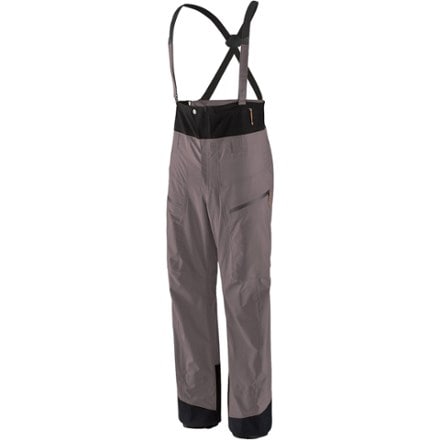
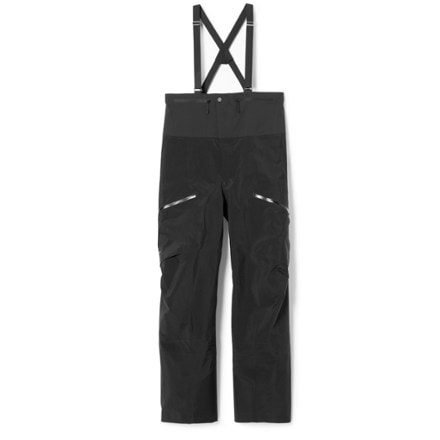
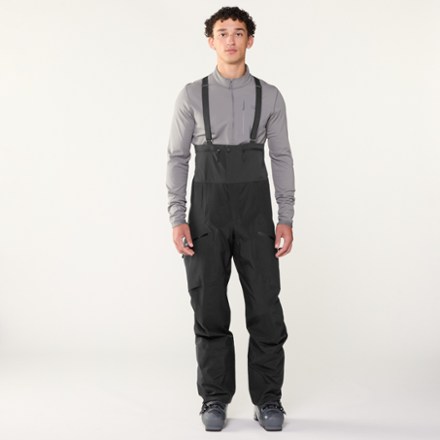
- Arc'teryxRush Bib Pants - Men's$524.93 - $750.00(12)12 reviews with an average rating of 3.3 out of 5 stars
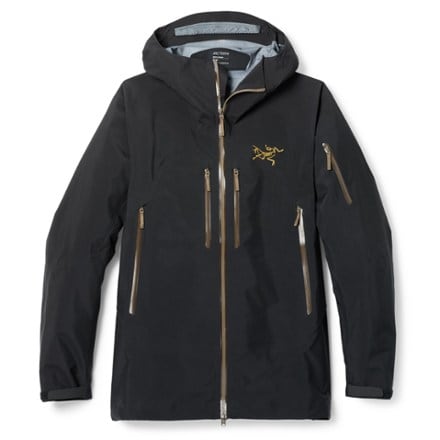
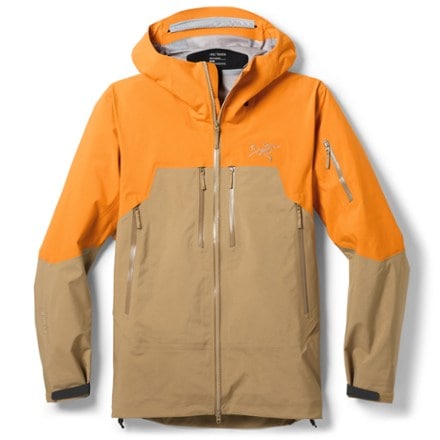
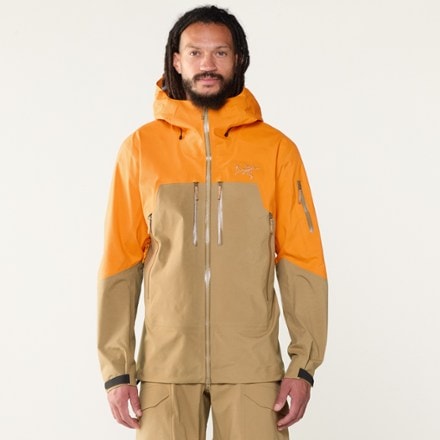
- Arc'teryxSabre SV Jacket - Men's$900.00(18)18 reviews with an average rating of 4.3 out of 5 stars
- Arc'teryxIncendia Jacket - Women's$900.00(6)6 reviews with an average rating of 3.7 out of 5 stars
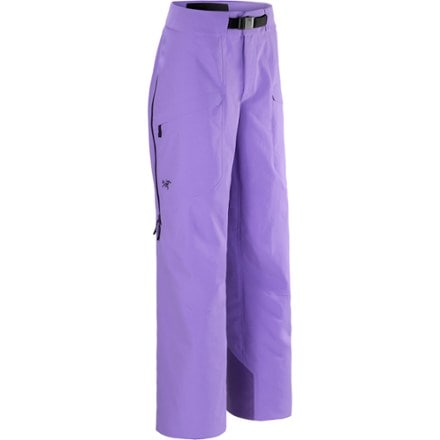
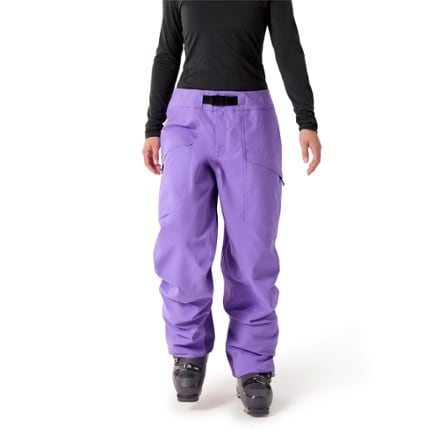
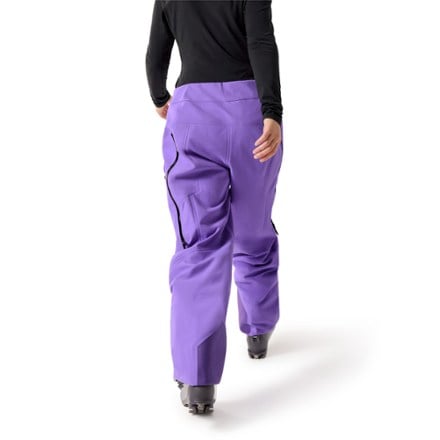
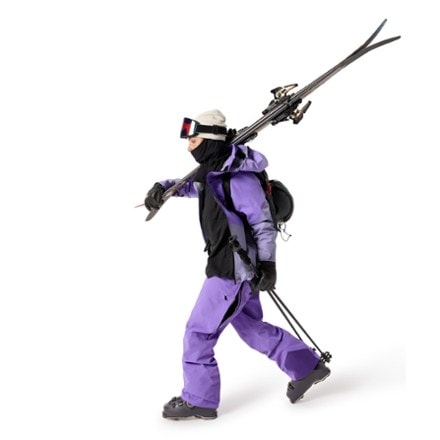
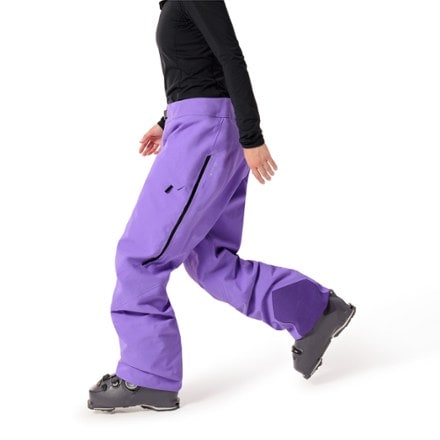
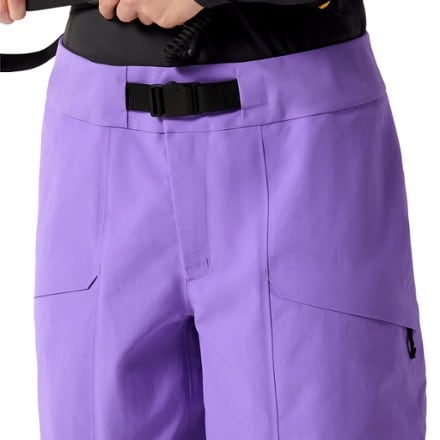
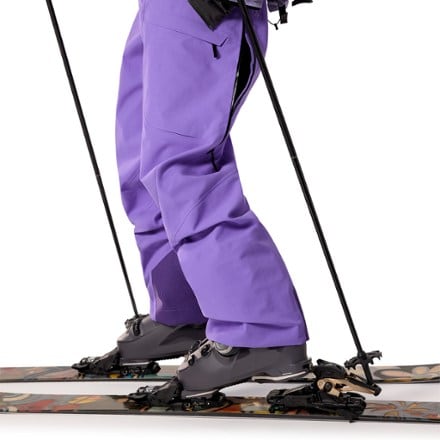
- Arc'teryxIncendia Pants - Women's$700.00(3)3 reviews with an average rating of 4.3 out of 5 stars
Get $130 in value
$30 in card rewards are yours when approved for the REI Co-op Mastercard by Mar 9. Plus, you can earn a $100 REI gift card after your first purchase. Terms apply.
Apply now
Related Expert Advice articles
Find the right size boot:
A ski boot should fit snugly and hold your foot securely in place, without causing pain or pressure points.
It's best to try on boots in person but you can also find the right size by measuring your feet and consulting the brand’s ski boot sizing chart.
Consider the last width
Skiers with wider feet or those prioritizing comfort may opt for a boot with a wider last.
Skiers with narrower feet or those seeking a tighter, high-performance fit will prefer a narrower last.
Understand ski boot flex:
A softer flex should feel comfortable and forgiving; great for smaller skiers or beginners.
A medium flex (90-110) is geared toward intermediate to advanced skiers who want more responsiveness in a comfortable package.
A stiff flex (over 110) is for strong, expert-level skiers who prioritize performance on challenging terrain.
Read full article: The 7 Best Ski Helmets of 2025/2026: Tested
What type of skiing will you be doing?
- Downhill ski poles: Poles for alpine skiing help with balance and timing turns. Many are fixed length; some are adjustable.
- Backcountry ski poles: Opt for adjustable poles so you can lengthen poles when going uphill and shorten them when descending.
- Cross-country ski poles: Longer and lighter, designed to help you glide forward efficiently. Poles for skate skiing are longer than for classic skiing.
Find the right length
When looking for proper fit, consult the brand's sizing chart. For downhill skis, wear your boots and turn the poles upside down. Grip the poles just below the basket. Your elbow should form a 90° angle. If the angle is less than 90°, try a shorter pole. If the angle is greater, get a longer pole.
Pole features
- Straps: Wrist straps help retain poles during turns and falls. Some models have detachable straps for quick transitions.
- Baskets prevent poles from sinking into the snow. Choose a standard basket for most conditions, and use a larger basket for powder skiing.
Where do you plan to ski?
Match your skis to the conditions and areas on the mountain you enjoy skiing. Your choices are all-mountain skis, powder skis, freestyle skis and backcountry skis.
Consider the waist width of your ski:
- If you ski groomers or are a beginner, consider a narrower ski—under 90mm wide.
- If you ski the whole mountain and prize versatility, look for an all-mountain ski, from 91-114mm wide.
- For deep or soft powder purists, opt for a ski that’s 115mm or more wide.
Find your preferred ski length
- As a general rule, your skis should reach between your chin and the top of your head.
- Length also depends on your height, weight, ability level, skiing style and terrain preferences.
Choose a fabric type
Wool retains warmth when wet and is naturally odor resistant. It breathes more easily and wicks moisture from your feet.
Synthetic blends like nylon, polyester or acrylic are ideal for those with sensitive skin or are allergic to wool. These fabrics trap warmth and wick moisture.
How much cushioning do you want?
No cushioning: Works well with performance boots that have a tighter fit or for those who want to feel the terrain underfoot.
Light cushioning: Typically padded at the shins with minimal or no cushioning on the balls of the feet; reinforced toes and heel are common.
Medium cushioning feature added padding for warmth and to absorb impact. Ideal for cold conditions or snowboarders with loose fitting boots.
Heavy cushioning: Great for extreme winter environments or low-intensity winter activities like ice fishing or riding a snowmobile.
Length
Most socks for skiing and snowboarding go up to the knees to help protect from shin bang. Cross-country skiers and snowshoers may want shorter length socks.