Skip to search results
loaded 3 results
Smartwool Merino Sport
(3 products)Products (3)
Filter
- Men's Clothing (3)
- Men's Tops (2)
- Men's Shirts (2)
- Fitness (2)
- Training (2)
- Women's Clothing (1)
- Snowsports (1)
- Snowboarding (1)
- Snow Clothing (1)
- Skiing (1)
- Downhill Skiing (1)
- Classic All Season (11)
- Classic Thermal Merino (30)
- Everyday (33)
- Intraknit (25)
- Merino Sport (3)
- Performance (32)
- $20.00 to $49.99 (1)
- $50.00 to $99.99 (2)
- Moisture Wicking (3)
- Merino Wool (3)
- Reflective (2)
- Top Rated (1)
- Sun-Protective Fabric (1)
- Quick Drying (1)
- Short Sleeve (1)
- Long Sleeve (1)
- Hoodless (2)
- Beanie (1)
- Solid (2)
- T-shirt (2)
- No (1)
Sort: Best Match
View:
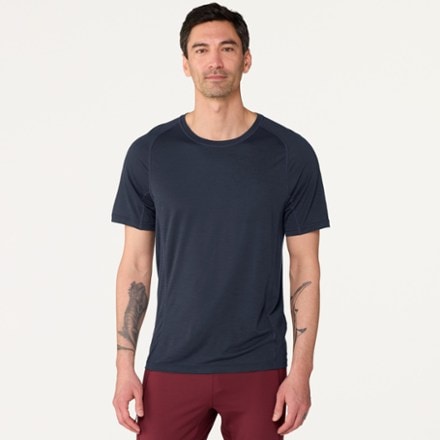
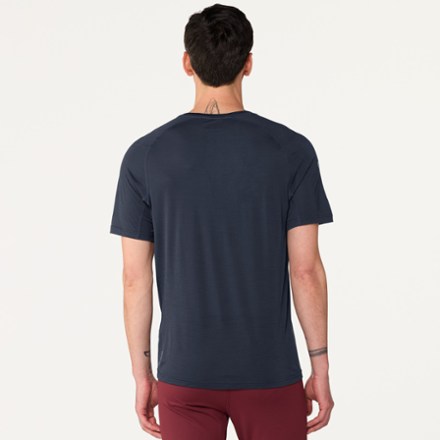
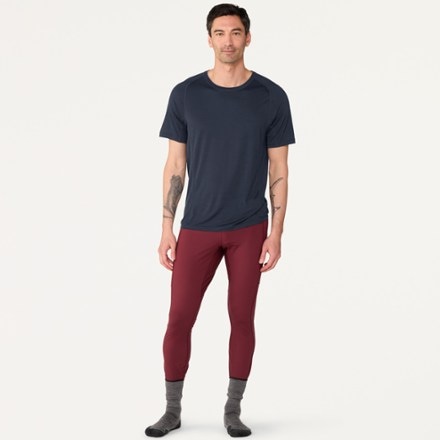
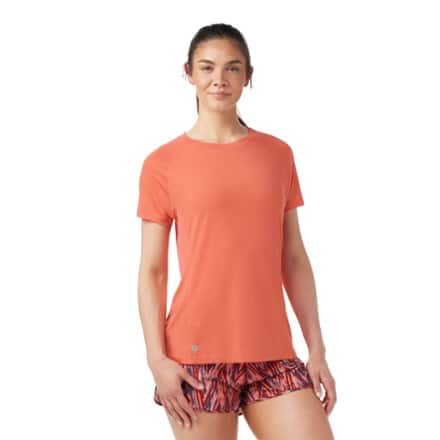
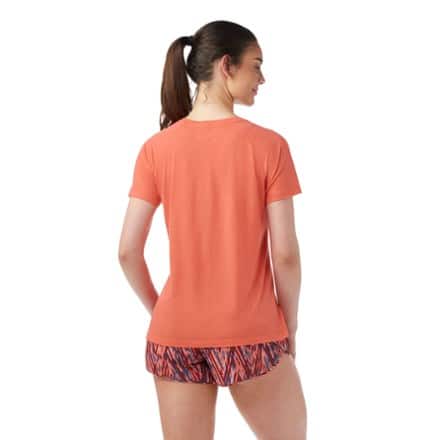
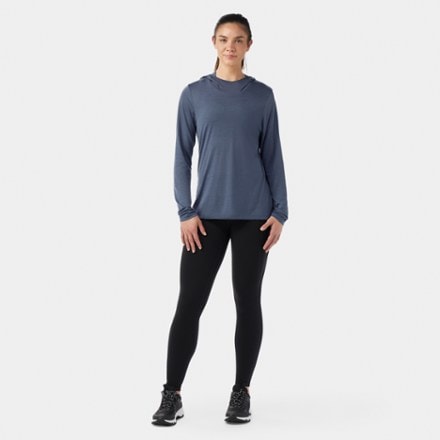
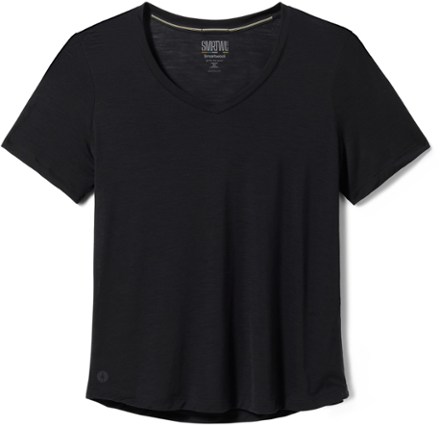
- SmartwoolActive Ultralite T-Shirt - Men's$70.00(32)32 reviews with an average rating of 3.6 out of 5 stars
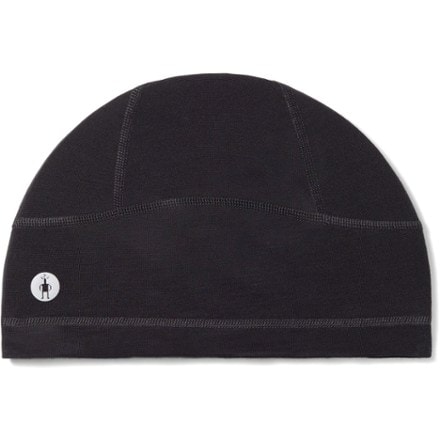
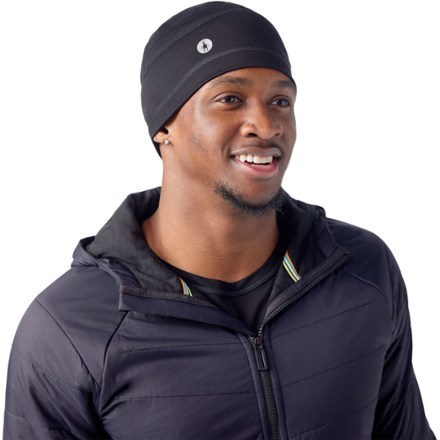
- SmartwoolActive BeanieTop Rated$25.00(32)32 reviews with an average rating of 4.7 out of 5 stars
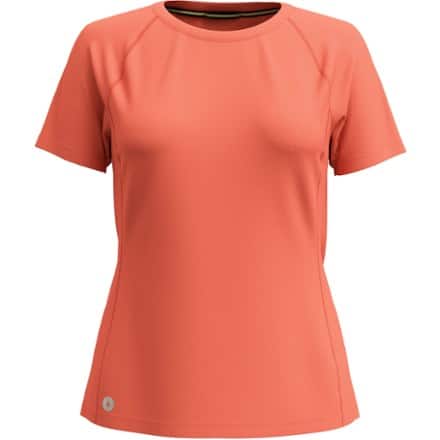
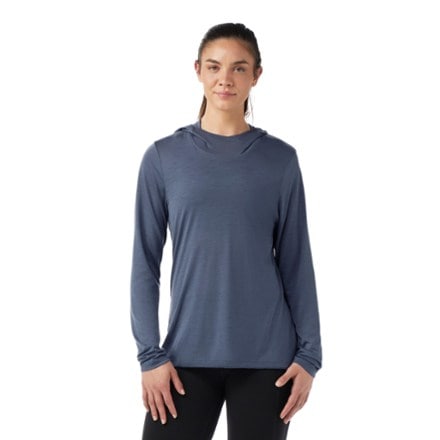
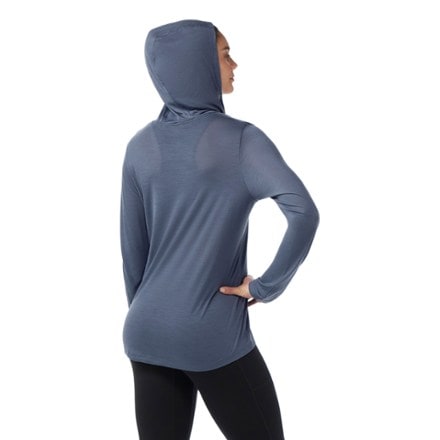
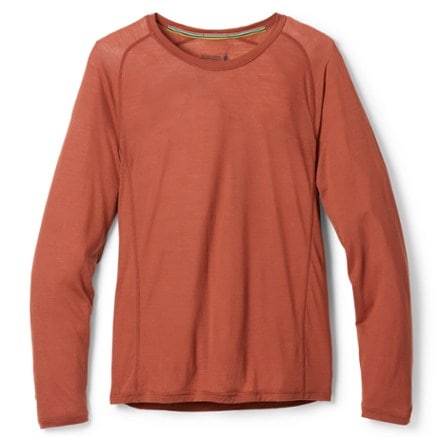
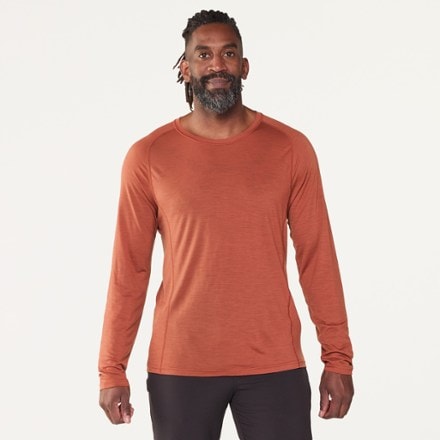
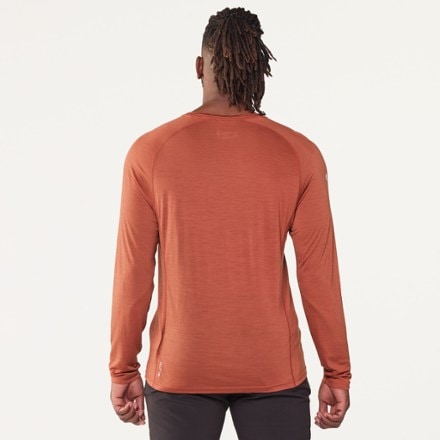
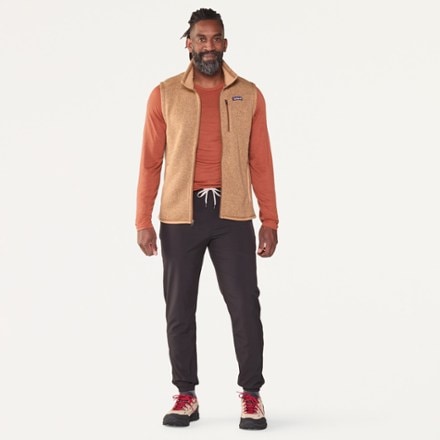
- SmartwoolMerino Sport 120 Long-Sleeve Shirt - Men's$85.00(17)17 reviews with an average rating of 3.7 out of 5 stars
Give the gift of the outdoors
Members, get a $15 bonus e-card when you buy a $150+ gift card. Terms apply.
Shop gift cards
Sort: Best Match
Related Expert Advice articles
Which material is best?
- Wool: highly moisture-wicking and odor-resistant
- Synthetic: durable and less expensive
- Silk: soft and lightweight for casual activities
Match the temp to the trek
- Lightweight layers: best for moderate to cool temperatures
- Midweight layers: best for cold temperatures
- Heavyweight layers: best for below-freezing temperatures
Find your fit
- Must be close to skin to efficiently wick sweat; should fit comfortably snug
- Base layer is for moisture control; your mid layer is for warmth
Choose a fabric type
- Wool: Stays warm when wet, resists odor and wicks moisture
- Synthetic (nylon, polyester or acrylic): Ideal for sensitive skin, trap warmth and wick moisture.
How much cushioning do you want?
- No cushioning: Best for tighter-fitting performance boots that have a tighter fit or maximum ground feel
- Light cushioning: Shin padding with minimal cushioning on the balls of the feet, often with reinforced toes and heels
- Medium cushioning: Added padding for warmth and impact absorption; ideal for cold conditions or looser-fitting boots
Length
- Knee high: Most socks for skiing and snowboarding go up to the knees to help protect from shin bang
- Crew: Cross-country skiers and snowshoers may prefer shorter hiking socks
Learn what clothing and gear you’ll need to wear skiing or snowboarding. We cover the basics: from underwear to jacket and from head to toe.
We list our 8 favorite socks for hiking, backpacking, kids, compression and more.
Read full article: The 8 Best Hiking Socks of 2026: Staff Picks
Get tips on how to wash and care for your sports bra to extend its life.
Select your sock height
- No-show: Minimal protection; best with low-cut footwear like trail-running or light hiking shoes
- Ankle: Covers your ankle bone; best for low- to mid-cut shoes and boots
- Crew: Extends above ankle; good for boots or shoes
- Knee-high: Provides warmth and protection against high-cut boots
Choose your preferred cushioning level
- None: Ultralight; ideal for hot weather or as sock liners
- Light: Thin cushioning; better for warm conditions
- Medium: Targeted cushioning in the heel and ball; ideal for moderate to cold conditions
- Heavy: Thickest and most cushioned; best for long trips, rugged terrain and cold
Select a fabric
- Choose moisture-wicking, quick-drying materials like wool, polyester or nylon
- Spandex adds stretch to prevent bunching
- Cotton isn't recommended as it absorbs moisture and dries slowly
Find your fit
- Choose based on your foot size, not shoe size.
- If you're between sizes, size down to avoid excess material that can bunch up and cause blisters.
- Socks should feel snug but not tight, and the sock's heel cup should naturally line up with your heel.