Chaos Merino Wool Snowsports
(1 product)- Snowboarding (1)
- Snow Clothing (1)
- Snow Headwear (1)
- Skiing (1)
- Ski Clothing (1)
- Downhill Skiing (1)
- Deals (1)
- Women's (1)
- One Size (1)
- Merino Wool (1)
- Casual (1)
- Gray (1)
- $20.00 to $49.99 (1)
- Regular (1)
- No (1)
- Beanie (1)
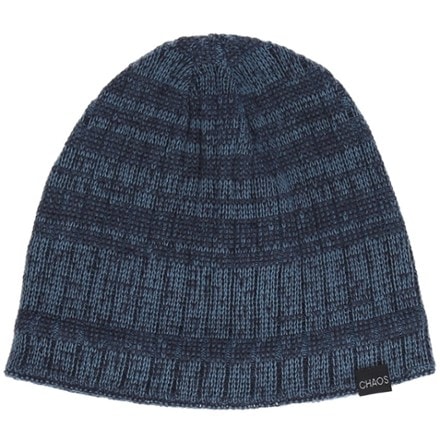
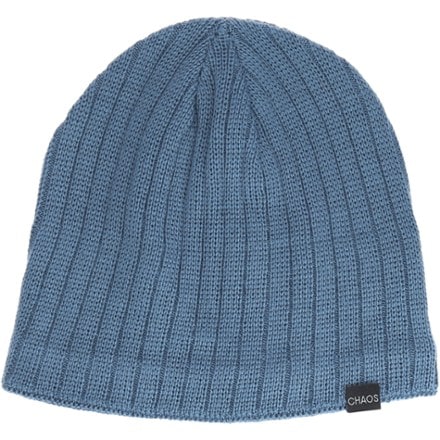
- ChaosChicago Merino Beanie - Women's$31.73Save 36%compared to $49.99(1)1 reviews with an average rating of 5.0 out of 5 starsREI OUTLET
Earn 15% in total rewards
Get 5% on all REI Co-op purchases plus the 10% Co-op Member Reward you earn on eligible full-price purchases.
Apply now
Terms apply
Related Expert Advice articles
What type of skiing will you be doing?
- Downhill skiing: Helps balance and time turns; most are fixed length
- Backcountry skiing: Adjustable poles let you lengthen for uphill travel, shorten for descents
- Cross-country skiing: Longer and lighter, designed to help you glide forward efficiently. Poles for skate skiing are longer than for classic skiing.
Sizing downhill poles:
- Stand in your ski boots on a level floor
- Grip the poles just below the basket
- Your elbow should form a 90° angle
- If the angle is less than 90°, try a shorter pole
- If the angle is greater, get a longer pole.
Basket type:
- Standard: for most conditions
- Powder: for deep snow
- Powder and standard: Interchangeable baskets
Where do you plan to ski?
Match your skis to the conditions and areas on the mountain you enjoy skiing. Your choices are all-mountain skis, powder skis, freestyle skis and backcountry skis.
Consider the waist width of your ski:
- If you ski groomers or are a beginner, consider a narrower ski—under 90mm wide.
- If you ski the whole mountain and prize versatility, look for an all-mountain ski, from 91-114mm wide.
- For deep or soft powder purists, opt for a ski that’s 115mm or more wide.
Find your preferred ski length
- As a general rule, your skis should reach between your chin and the top of your head.
- Length also depends on your height, weight, ability level, skiing style and terrain preferences.
Choose a fabric type
Wool: Stays warm when wet, resists odor and wicks moisture
Synthetic (nylon, polyester or acrylic): Ideal for sensitive skin, trap warmth and wick moisture.
How much cushioning do you want?
No cushioning: Best for tighter-fitting performance boots that have a tighter fit or maximum ground feel
Light cushioning: Shin padding with minimal cushioning on the balls of the feet, often with reinforced toes and heels
Medium cushioning: Added padding for warmth and impact absorption; ideal for cold conditions or looser-fitting boots
Length
- Knee high: Most socks for skiing and snowboarding go up to the knees to help protect from shin bang
- Crew: Cross-country skiers and snowshoers may prefer shorter hiking socks
Understand boot flex
- Soft flex: Comfortable; ideal for beginners or recreational riders
- Medium flex: Balances all-mountain performance and comfort
- Stiff flex: Maximum support for edge power and control at high speeds
Match riding style to flex
- All-mountain: Soft to medium for most riders; stiffer boots for racers
- Freeride: Stiffer for edge power and control at high speeds
- Freestyle: Softer for quick response and maneuverability in park terrain
Boot lacing system
- Dial lace: Uses one or two dials attached to cable for precise fit, higher cost
- Hybrid lace: Combines a dial system and traditional laces
- Traditional lace: Tried-and-true and easy to replace but can loosen during rides
- Quick pull: A single-pull lacing system that's fast and allows zonal tightening
Find a good fit
- Boots should feel snug and secure without cramping your feet
- It's OK for toes to barely graze the boot's toecap
- A snug heel fit is also key
Where do you plan to snowshoe?
- Flat terrain: Less expensive, have a simple binding system, provide modest traction, no heel lift for climbing steep slopes
- Rolling terrain: Moderate price and traction, have a sturdy and adjustable binding system, some include heel lift
- Mountain terrain: Pricier, aggressive crampon system for traction, advanced binding system, heel lift in most styles
Sizing snowshoes
The more weight (you and your gear), the more surface area required for flotation. Check that your maximum load fits within the snowshoe's rated capacity.
- Powder: Use bigger (longer) snowshoes
- Compact, wet snow or packed trails: Smaller snowshoes work well
- Steep (but not powdery) slopes and icy terrain: Easier to negotiate with smaller snowshoes
Which snowshoe binding is right for you?
- Rotating (or floating): Reduce leg fatigue when climbing, shed snow well and good for climbing steep slopes
- Fixed: Less efficient but allows a more natural walking movement on flat and hard-packed terrain