Chaos Merino Wool Skiing
(1 product)- Ski Clothing (1)
- Women's (1)
- Deals (1)
- One Size (1)
- Casual (1)
- Merino Wool (1)
- $20.00 to $49.99 (1)
- Regular (1)
- Gray (1)
- Beanie (1)
- No (1)
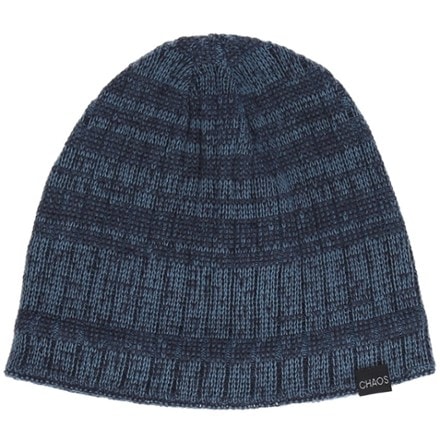
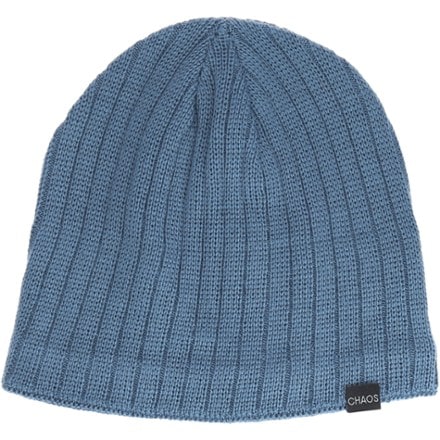
- ChaosChicago Merino Beanie - Women's$31.73Save 36%compared to $49.99(1)1 reviews with an average rating of 5.0 out of 5 starsREI OUTLET
Earn 15% in total rewards
Get 5% on all REI Co-op purchases plus the 10% Co-op Member Reward you earn on eligible full-price purchases.
Apply now
Terms apply
Related Expert Advice articles
What type of skiing will you be doing?
- Downhill skiing: Helps balance and time turns; most are fixed length
- Backcountry skiing: Adjustable poles let you lengthen for uphill travel, shorten for descents
- Cross-country skiing: Longer and lighter, designed to help you glide forward efficiently. Poles for skate skiing are longer than for classic skiing.
Sizing downhill poles:
- Stand in your ski boots on a level floor
- Grip the poles just below the basket
- Your elbow should form a 90° angle
- If the angle is less than 90°, try a shorter pole
- If the angle is greater, get a longer pole.
Basket type:
- Standard: for most conditions
- Powder: for deep snow
- Powder and standard: Interchangeable baskets
Where do you plan to ski?
Match your skis to the conditions and areas on the mountain you enjoy skiing. Your choices are all-mountain skis, powder skis, freestyle skis and backcountry skis.
Consider the waist width of your ski:
- If you ski groomers or are a beginner, consider a narrower ski—under 90mm wide.
- If you ski the whole mountain and prize versatility, look for an all-mountain ski, from 91-114mm wide.
- For deep or soft powder purists, opt for a ski that’s 115mm or more wide.
Find your preferred ski length
- As a general rule, your skis should reach between your chin and the top of your head.
- Length also depends on your height, weight, ability level, skiing style and terrain preferences.
Choose a fabric type
Wool: Stays warm when wet, resists odor and wicks moisture
Synthetic (nylon, polyester or acrylic): Ideal for sensitive skin, trap warmth and wick moisture.
How much cushioning do you want?
No cushioning: Best for tighter-fitting performance boots that have a tighter fit or maximum ground feel
Light cushioning: Shin padding with minimal cushioning on the balls of the feet, often with reinforced toes and heels
Medium cushioning: Added padding for warmth and impact absorption; ideal for cold conditions or looser-fitting boots
Length
- Knee high: Most socks for skiing and snowboarding go up to the knees to help protect from shin bang
- Crew: Cross-country skiers and snowshoers may prefer shorter hiking socks
Find your size
- Measure the circumference of the largest part of your head
- Wrap a tape measure just above your ears and about 1 inch above your eyebrows
- Use brand sizing charts to find your size
- If you can, try helmets on in-person with your goggles
Fit tips
- A good helmet should feel snug but not tight
- If the helmet rocks back and forth or shifts from side to side, the fit is too loose
- It should sit level on your head no more than 1 inch above your eyebrows
Key features:
- Vents: Let cool air in and warm air out. Adjustable vents help fine-tune airflow
- Liners: Adjust liners or ear pads for warmth
- Goggles compatibility: Fit snugly to the top of the goggles without gaps
Happy riding!
Understand lens shapes
- Cylindrical: More affordable, but can cause more glare and slightly limit peripheral vision
- Spherical: Better peripheral vision, less distortion and less glare. Cost more than cylindrical lenses
- Toric: Offer improved optical clarity and reduced distortion—at a higher price point
Light transmission (VLT)
VLT is the percentage of light that passes through the lens to reach your eyes
- Bright conditions: Look for less than 25%
- Partly cloudy: Aim for between 25%-50%
- Overcast, stormy or low-light: Look for 50% or higher
- Night riding: Use clear goggles or 80%-100%
Other features:
- Low bridge fit: Ideal for those with higher cheekbones or lower nose bridges
- Interchangeable lenses for easy swaps
- Photochromic lenses adjust to changing light
- Extra lens included: Two lenses for different light conditions
Read full article: How to Choose Goggles for Skiing and Snowboarding