Skip to search results
loaded 1 results
Black Diamond Kevlar Skiing
(1 product)Products (1)
Filter
- Unisex (1)
- Black (1)
- Waterproof (1)
- Top Rated (1)
- Removable Liner (1)
- Insulated (1)
- Glove Leash (1)
- Bluetooth (4)
- GORE-TEX (15)
- Kevlar (1)
- Pertex (3)
- Polartec (3)
- Polartec Power Grid (1)
- PrimaLoft (31)
- RECCO (7)
- Thermolite (1)
- Thinsulate (3)
- Snowsports (1)
- Mountaineering (1)
- Synthetic (1)
- Regular (1)
- Mitten (1)
Sort: Best Match
View:
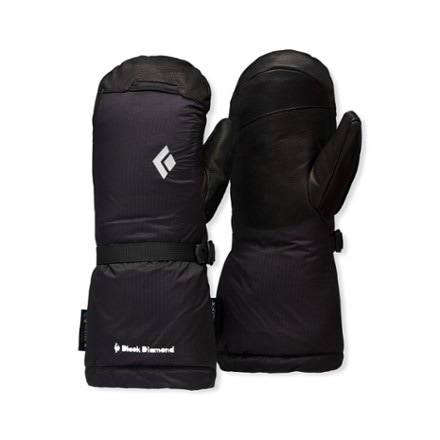
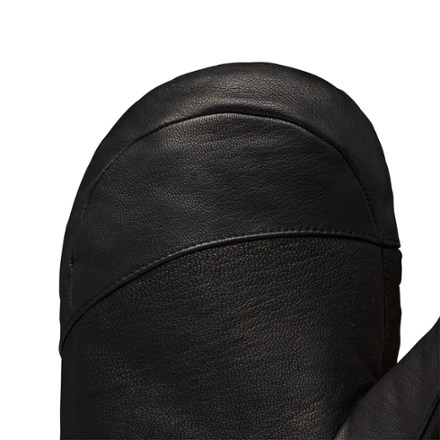
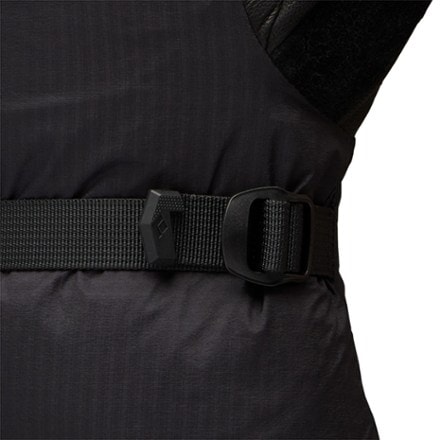
- Black DiamondAbsolute MittensTop Rated$329.95(37)37 reviews with an average rating of 4.5 out of 5 stars
Sort: Best Match
Related Expert Advice articles
Learn the different ways to travel in the backcountry in winter, including telemark and randonee skiing, snowshoeing and splitboarding.
Snowshoeing is an easy, fun and relatively low-risk winter activity—as long as you follow a few basic guidelines about avoiding avalanches.
Skin material
- Blend: A combo of nylon and mohair, these skins balance grip, glide, durability, weight and price
- Synthetic: Typically nylon or polyethylene plastic, synthetic skins are durable, provide great traction and are more affordable than mohair
- Mohair skins: Offer excellent glide, solid grip and are lighter than nylon skins
Climbing skin width
- Skins are sold in 5mm width increments
- Wider skins provide better traction, narrower skins save weight
- Maximum coverage: Choose skins about 5 mm narrower than the widest part of your ski.
- Save weight: Choose skins about as wide as your ski’s waist
Climbing skin length
- Skins are sold in length ranges to match ski sizes
- Use the tail attachment system to fine-tune fit
Read full article: How to Choose Climbing Skins and Backcountry Ski Accessories
Learn how to choose climbing skins for your splitboard and trim them to fit. Includes videos.
Read full article: How to Choose, Trim and Attach Splitboard Climbing Skins
Avalanches are a risk any time you head into snow-covered mountains. Learn basic information to help you make good decisions to avoid avalanches.
What type of skiing will you be doing?
- Downhill skiing: Helps balance and time turns; most are fixed length
- Backcountry skiing: Adjustable poles let you lengthen for uphill travel, shorten for descents
- Cross-country skiing: Longer and lighter, designed to help you glide forward efficiently. Poles for skate skiing are longer than for classic skiing.
Sizing downhill poles:
- Stand in your ski boots on a level floor
- Grip the poles just below the basket
- Your elbow should form a 90° angle
- If the angle is less than 90°, try a shorter pole
- If the angle is greater, get a longer pole.
Basket type:
- Standard: for most conditions
- Powder: for deep snow
- Powder and standard: Interchangeable baskets