Skip to search results
loaded 4 results
Boa Snowshoeing
(4 products)Products (4)
Filter
- Snowshoes (4)
- Men's Snowshoes (2)
- Tubbs (4)
- Deals (4)
- 125 to 174 lbs (1)
- 175 to 224 lbs (3)
- 225 to 274 lbs (2)
- Toe Crampon (4)
- Heel Crampon (4)
- Side Traction (2)
- Heel Lift (2)
- Top Rated (1)
- 3 to 4.99 (4)
- $100.00 to $199.99 (2)
- $200.00 to $499.99 (2)
- Flat Terrain (2)
- Rolling Terrain (2)
- Snowshoeing (4)
- Dial Lace (4)
Sort: Best Match

View:
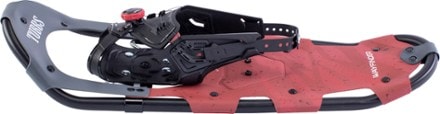
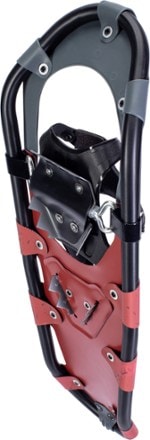
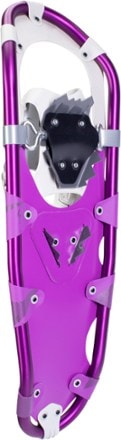
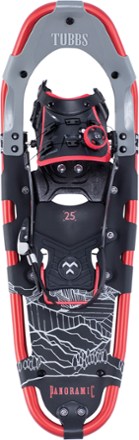
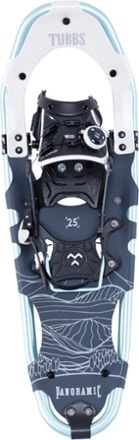
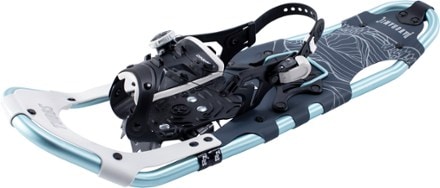
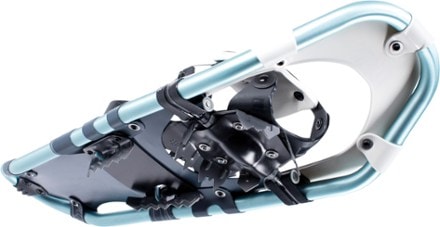
- TubbsPanoramic Snowshoes - Men'sTop Rated$215.93Save 20%compared to $269.95(7)7 reviews with an average rating of 4.7 out of 5 stars
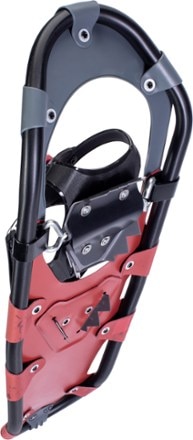
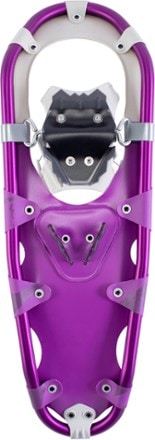
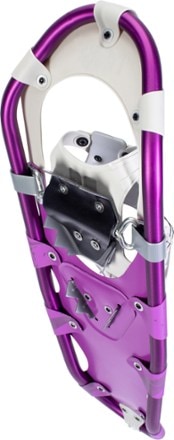
- TubbsPanoramic Snowshoes - Women's$215.93Save 20%compared to $269.95(3)3 reviews with an average rating of 4.0 out of 5 stars
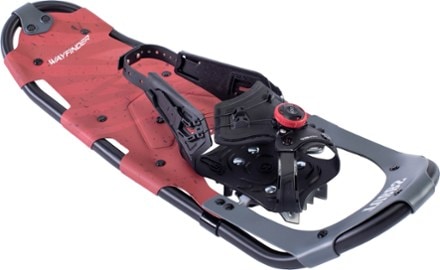
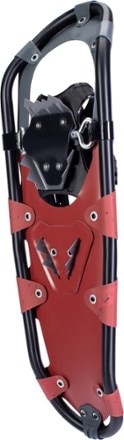
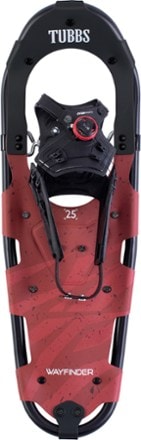
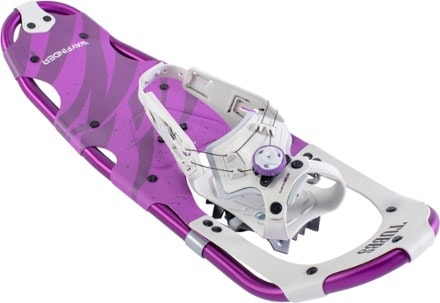
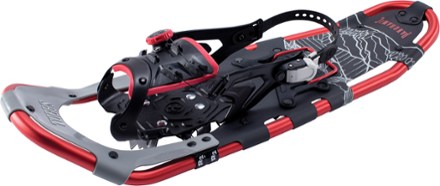
- TubbsWayfinder Snowshoes - Men's$159.93Save 20%compared to $199.95(9)9 reviews with an average rating of 4.4 out of 5 stars
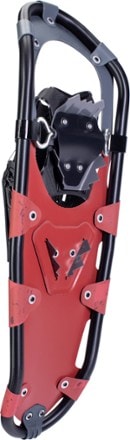
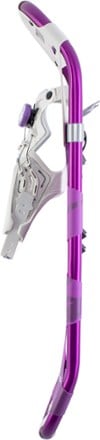
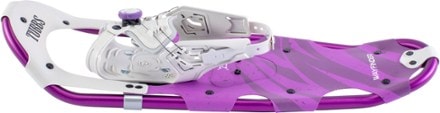
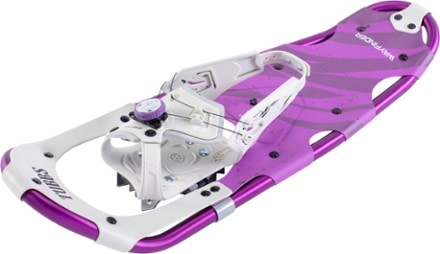
- TubbsWayfinder Snowshoes - Women's$159.93Save 20%compared to $199.95(9)9 reviews with an average rating of 4.3 out of 5 stars
Sort: Best Match
Related Expert Advice articles
Discover our list of the 6 best gaiters at the co-op, including over-the-ankle options and knee-high options for hiking, running and mountaineering.
Hit the trails this winter with our favorite snowshoes for flats, steeps and everything in between. We also have our top picks for kids.
Read full article: The 7 Best Snowshoes of 2025: Staff Picks
Our gear testers choose their 7 favorite trekking poles (and a staff) for hiking, mountaineering, trail running and more at REI.
Read full article: The 7 Best Trekking and Hiking Poles of 2025: Tested
Where do you plan to snowshoe?
- Flat terrain: Less expensive, have a simple binding system, provide modest traction, no heel lift for climbing steep slopes
- Rolling terrain: Moderate price and traction, have a sturdy and adjustable binding system, some include heel lift
- Mountain terrain: Pricier, aggressive crampon system for traction, advanced binding system, heel lift in most styles
Sizing snowshoes
The more weight (you and your gear), the more surface area required for flotation. Check that your maximum load fits within the snowshoe's rated capacity.
- Powder: Use bigger (longer) snowshoes
- Compact, wet snow or packed trails: Smaller snowshoes work well
- Steep (but not powdery) slopes and icy terrain: Easier to negotiate with smaller snowshoes
Which snowshoe binding is right for you?
- Rotating (or floating): Reduce leg fatigue when climbing, shed snow well and good for climbing steep slopes
- Fixed: Less efficient but allows a more natural walking movement on flat and hard-packed terrain
Key features of backcountry snow shovels:
- Material: Because of its low weight and high strength, aluminum predominates. Plastic shovels aren't suited to avalanche rescue.
- Comfort: Low weight and a comfortable, ergonomic grip will make a shovel easier to use.
- Length: Longer, extended shafts may give you better leverage to scoop snow faster while shorter shafts cut down on weight.
Types of snow shovels:
- Fully flat blades are best for snow study, such as creating smooth snow-pit walls.
- Scooped blades are less likely to spill snow off the sides during shoveling.
- Serrated blade edges can be used to bust up ice.
- Blades with holes in them can be used (with a length of accessory cord) to build snow anchors; holes also make a shovel slightly lighter to carry.
T-grip vs. D-grip handles:
- T-grip: Grasped between the fingers, this is a lightweight design that works well; can be awkward when wearing mittens.
- D-grip: Slightly bulkier and heavier than a T-grip, it is relatively easy to use while wearing mittens.
What is an avalanche transceiver?
- If you recreate in snowy backcountry terrain, an avalanche transceiver is an essential safety device—along with a probe and shovel
- Transceivers help you locate someone buried in an avalanche and it helps rescuers find you if you’re buried
What features should I look for?
- Analog or digital: Most modern transceivers are digital; some are both digital and analog
- Multiple burials: Allows searchers to detect more than one buried person; most offer this feature
- Marking function: Lets a searcher to mark the location of a buried person so they can search for another one
- Display screen: Displays direction and distance to a buried person
- Range: Listed in meters (typically 40-70m), the circular range at which one transceiver can detect another
Read full article: How to Choose and Use an Avalanche Transceiver