Vibram Arctic Grip Shoes
(2 products)- Merrell (2)
- Waterproof (2)
- Top Rated (2)
- Casual (2)
- Thermo (2)
- Boa (12)
- DryVent (10)
- GORE-TEX (166)
- Kevlar (18)
- Omni-Grip (13)
- Vibram (332)
- Vibram Megagrip (215)
- Boa (12)
- DryVent (10)
- Dyneema (9)
- eVent (2)
- GORE-TEX (166)
- GORE-TEX SURROUND (1)
- Heatseeker (2)
- Kevlar (18)
- Omni-Grip (13)
- Omni-Shield (4)
- Omni-Tech (4)
- OutDry (5)
- PrimaLoft (5)
- ThermoBall (1)
- Traxion (1)
- Vibram (332)
- Vibram Arctic Grip (2)
- Vibram Megagrip (215)
- Regular (2)
- Slip-on (2)
- Ankle (2)
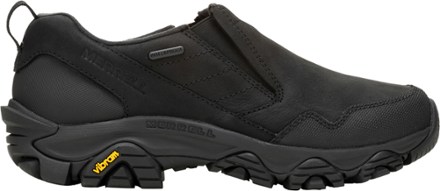
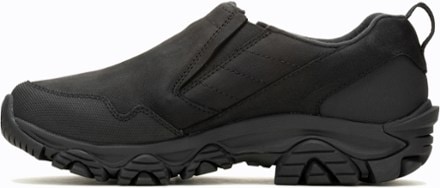
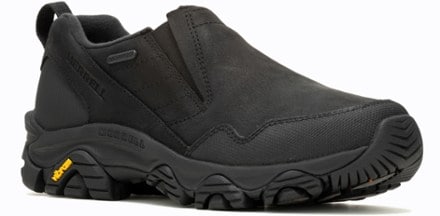
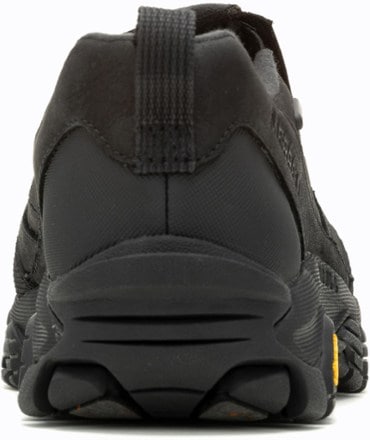
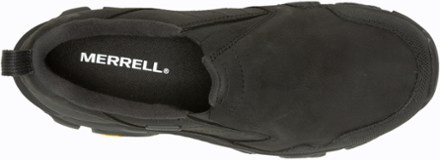
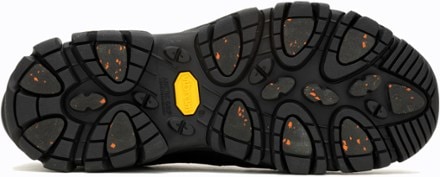
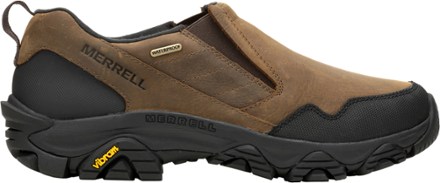
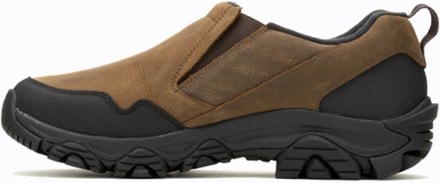
- MerrellColdpack 3 Thermo Moc Waterproof Shoes - Women'sTop Rated$160.00(471)471 reviews with an average rating of 4.6 out of 5 stars
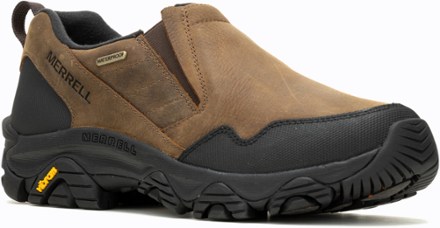
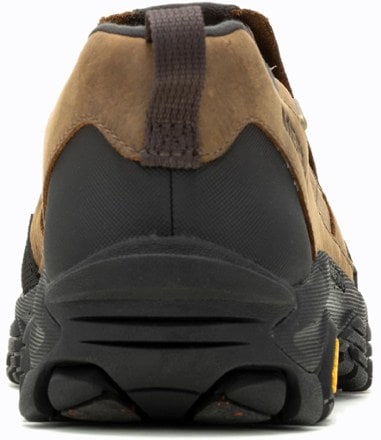
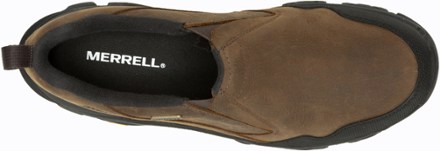
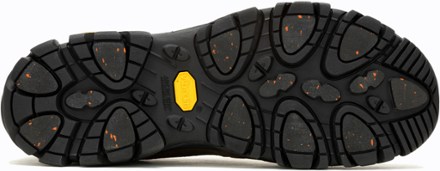
- MerrellColdpack 3 Thermo Moc Waterproof Shoes - Men'sTop Rated$159.95(594)594 reviews with an average rating of 4.6 out of 5 stars
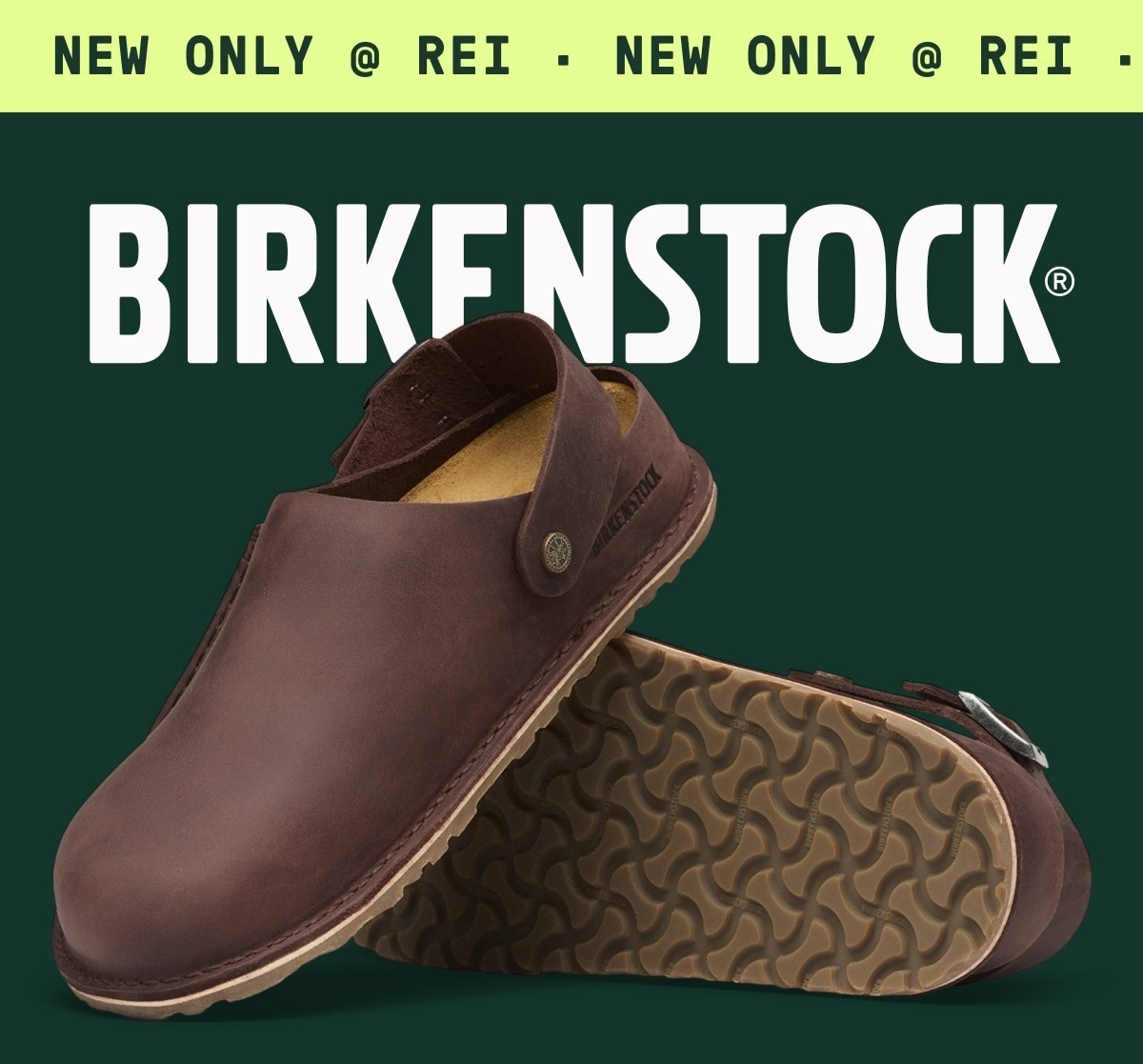
Birkenstock Lutry, now in Habana oiled leather
These clogs are designed to shape to you with wear & feature a convertible back strap. Now available, only at REI.
Shop Birkenstock
Related Expert Advice articles
Read full article: The 7 Best Mountain Bike Shoes of 2025: Staff Picks
Read full article: The 6 Best Climbing Shoes of 2025: Staff Picks
Read full article: adidas Ultraboost Light Road-Running Shoe Review
Hiking shoe vs. hiking boot
- Hiking shoes
- Often lighter weight, lower cut, more flexible and more breathable
- Ideal for day hikes or backpacking with lighter loads
- Hiking boots
- Burlier, with stiffer uppers, over-the-ankle coverage and typically waterproof
- Ideal for multi-day treks with heavier loads
Types of hiking boots
- Day-hiking boots: Mid- to high-cut models that require less break in time; intended for day hikes or short backpacking trips with light loads
- Backpacking boots: Often over-the-ankle height and heavier-built with stiffer midsoles; designed to support multiday treks with heavier loads
Consider the lugs
- Deep, thick lugs improve grip
- Wider lug spaces sheds mud and offer good traction
Read full article: The 5 Best Road-Running Shoes of 2025: Tested
Where do you plan to run?
- Road or track: Lighter shoes for speed, more cushioned shoes for distance
- Gravel paths: Hybrid shoes, designed for both road and trail
Cushion comes down to "feel" vs. "float"
- Minimal and barefoot cushioning: little to no padding, more groundfeel
- Moderate cushioning: more traditional ride
- Maximum cushioning: softest, bounciest ride
What kind of support do you need?
Depending on your gait, you may need a stability shoe. But most runners will fare well with a neutral shoe.
Make sure the shoe fits.
No breaking in periods, period! Your shoe should fit well from the get go.