Skip to search results
loaded 4 results
Waterproof Men's Socks
(4 products)Products (4)
Filter
- Bridgedale (1)
- Cross Point Gear (2)
- Fox (1)
- Nylon / Nylon Blend (3)
- Wool / Wool Blend (1)
- No Cushioning (1)
- Heavy Cushioning (1)
- Medium Cushioning (2)
- Deals (1)
- Trail Running (2)
- Hiking (2)
- Cycling (2)
- Multisport (1)
- Mountain Biking (1)
- Waterproof (4)
- Merino Wool (2)
- Unisex (4)
- $20.00 to $49.99 (2)
- $50.00 to $99.99 (2)
- COOLMAX (1)
- Regular (4)
- Regular (4)
SAVE 10%
WHEN YOU BUY 3 OR MORE full-price socks. Savings will be reflected in your shopping cart.
Sort: Best Match
View:
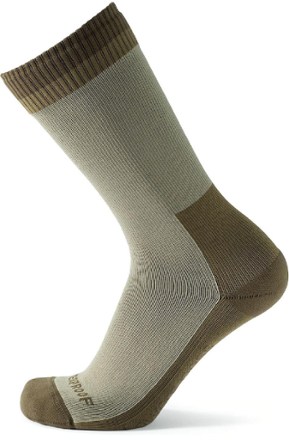
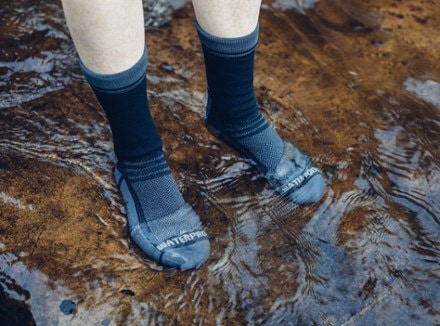
- Cross Point GearMountain Waterproof Socks$52.00(3)3 reviews with an average rating of 3.7 out of 5 stars
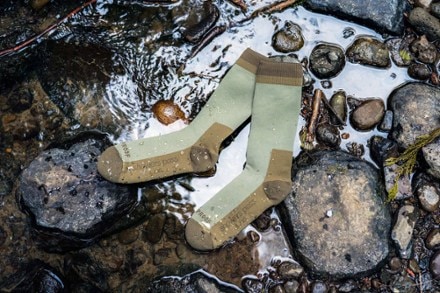
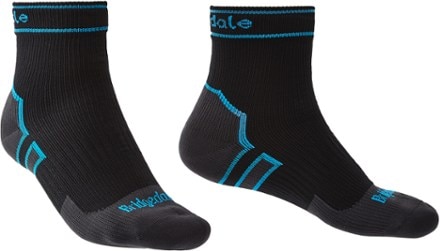
- BridgedaleStormSock Midweight Ankle Socks$39.73Save 27%compared to $54.99(2)2 reviews with an average rating of 2.0 out of 5 starsREI OUTLET
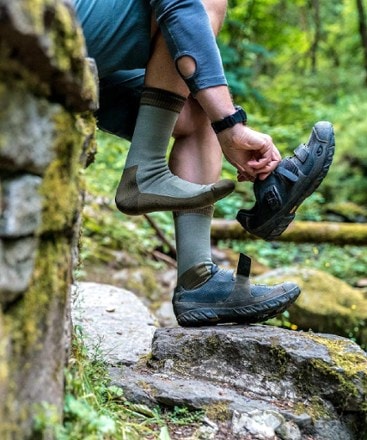
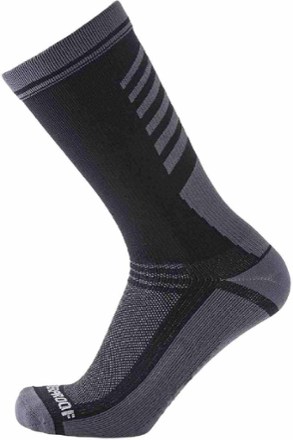
- Cross Point GearCrosspoint Lightweight Waterproof Socks$47.00(4)4 reviews with an average rating of 3.0 out of 5 stars
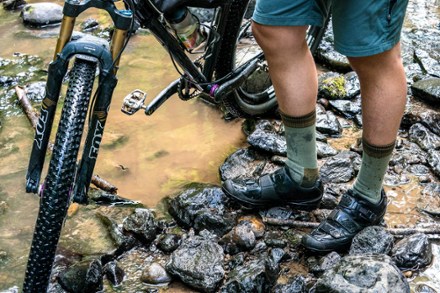
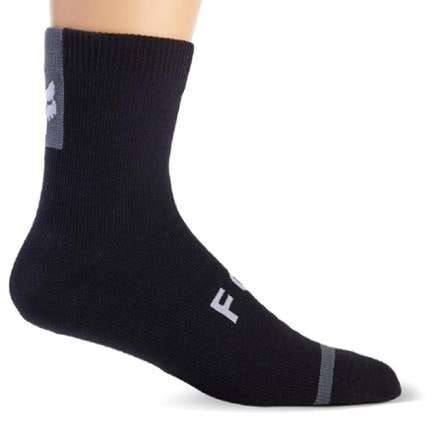
- FoxDefend Water Socks$59.95(1)1 reviews with an average rating of 5.0 out of 5 stars

Sort: Best Match
Related Expert Advice articles
Choose a fabric type
- Wool: Stays warm when wet, resists odor and wicks moisture
- Synthetic (nylon, polyester or acrylic): Ideal for sensitive skin, trap warmth and wick moisture.
How much cushioning do you want?
- No cushioning: Best for tighter-fitting performance boots that have a tighter fit or maximum ground feel
- Light cushioning: Shin padding with minimal cushioning on the balls of the feet, often with reinforced toes and heels
- Medium cushioning: Added padding for warmth and impact absorption; ideal for cold conditions or looser-fitting boots
Length
- Knee high: Most socks for skiing and snowboarding go up to the knees to help protect from shin bang
- Crew: Cross-country skiers and snowshoers may prefer shorter hiking socks
We list our 8 favorite socks for hiking, backpacking, kids, compression and more.
Read full article: The 8 Best Hiking Socks of 2026: Staff Picks
Select your sock height
- No-show: Minimal protection; best with low-cut footwear like trail-running or light hiking shoes
- Ankle: Covers your ankle bone; best for low- to mid-cut shoes and boots
- Crew: Extends above ankle; good for boots or shoes
- Knee-high: Provides warmth and protection against high-cut boots
Choose your preferred cushioning level
- None: Ultralight; ideal for hot weather or as sock liners
- Light: Thin cushioning; better for warm conditions
- Medium: Targeted cushioning in the heel and ball; ideal for moderate to cold conditions
- Heavy: Thickest and most cushioned; best for long trips, rugged terrain and cold
Select a fabric
- Choose moisture-wicking, quick-drying materials like wool, polyester or nylon
- Spandex adds stretch to prevent bunching
- Cotton isn't recommended as it absorbs moisture and dries slowly
Find your fit
- Choose based on your foot size, not shoe size.
- If you're between sizes, size down to avoid excess material that can bunch up and cause blisters.
- Socks should feel snug but not tight, and the sock's heel cup should naturally line up with your heel.
Running is more comfortable with the right clothing. This article highlights fabrics and features for warm weather and winter running.
Learn which clothes to bring backpacking in order to keep your pack light while making sure you'll have everything you need.
Key features to look for in hike clothing
- Moisture wicking: moves sweat to the outer surface while also drying quickly; that lets you break a sweat without feeling clammy or chilled
- Sun-protective fabric: Choose clothing with a UPF rating to protect yourself from harmful UV exposure; a higher rating means better sun protection
- Quick drying: materials that dry quickly keep you cool, comfortable and dry
- Insect repellent: treated with active ingredients to help keep ticks, mosquitoes and other bugs at bay
Hike clothing fabrics
- Merino wool: has fine fibers that make it soft, breathable, moisture-wicking, reasonably quick to dry and not prone to retaining odors.
- Polyester/nylon: Generally less expensive than merino wool, these synthetics excel at wicking sweat and drying fast; many incorporate recycled materials
Dress in layers
- Start with a base layer that wicks sweat off your skin; this includes underwear, a bra, hiking shirt and hiking pants
- Add a middle layer to retain body heat in colder conditions; this could be a fleece jacket, an insulated vest or puffy jacket
- An outer layer, like a rain jacket, shields you from wind and rain
Related searches