Skip to search results
loaded 32 results
Slings
(32 products)Products (32)
Filter
- Climbing (29)
- Rock Climbing (3)
- $0.00 to $9.99 (6)
- $10.00 to $19.99 (11)
- $20.00 to $49.99 (17)
- $50.00 to $99.99 (8)
- $100.00 to $199.99 (2)
- Top Rated (15)
- Made in USA (8)
- 0 to 0.49 (28)
- 0.5 to 0.99 (4)
- 1 to 1.49 (1)
- 1.50 to 2.99 (1)
- Deals (9)
Sort: Best Match
View:
- MammutAlpine Trad Sling$24.95Top Rated(7)7 reviews with an average rating of 4.9 out of 5 starsSize:12 mm x 120 cmStrength:22 kN
- C.A.M.P.Reel Duo Lanyard$59.89Save 25%compared to $79.95Sale Ends Nov 23(0)0 reviewsSize:15-100 centimeters
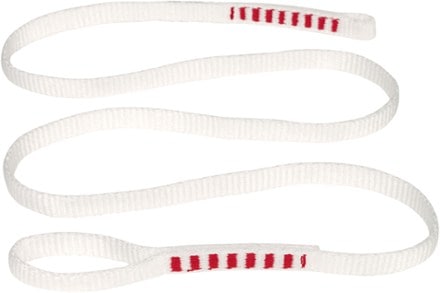
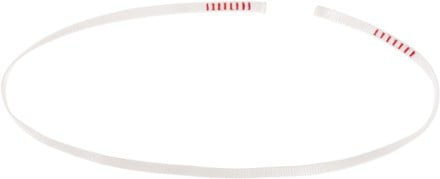


31–32 of 32 products
Sort: Best Match
Related Expert Advice articles
Slings
- Shorter slings (12 in. or less): Sometimes used for tying off pitons
- Single-length slings (24 in.): Good for alpine quickdraws
- Double-length slings (48 in.): Use to reduce rope drag, extend protection, built two-point anchors or as alpine quickdraws
- Extra-long slings (72-96 in.): Great for looping large rocks and building three-point anchors
Webbing
- Tubular webbing is standard for climbing
- Modular webbing is used for lashing gear and backpack straps
Climbing cord
- Available in diameters from 1mm up to 9mm
- Thicker cord is stronger and more load bearing but also heavier
Materials
- Nylon and Perlon: Affordable, strong, hold knots well, good stretch and high melting temperatures to handle dynamic falls
- Dyneema, Dynex and Spectra: Excellent strength-to-weight ratio, ultralight and highly UV resistant
Read full article: How to Choose Climbing Slings, Cord and Webbing
Skin material
- Blend: A combo of nylon and mohair, these skins balance grip, glide, durability, weight and price
- Synthetic: Typically nylon or polyethylene plastic, synthetic skins are durable, provide great traction and are more affordable than mohair
- Mohair skins: Offer excellent glide, solid grip and are lighter than nylon skins
Climbing skin width
- Skins are sold in 5mm width increments
- Wider skins provide better traction, narrower skins save weight
- Maximum coverage: Choose skins about 5 mm narrower than the widest part of your ski.
- Save weight: Choose skins about as wide as your ski’s waist
Climbing skin length
- Skins are sold in length ranges to match ski sizes
- Use the tail attachment system to fine-tune fit
Read full article: How to Choose Climbing Skins and Backcountry Ski Accessories
Learn how to choose climbing skins for your splitboard and trim them to fit. Includes videos.
Read full article: How to Choose, Trim and Attach Splitboard Climbing Skins
Skin material
- Blend: A combo of nylon and mohair, these skins balance grip, glide, durability, weight and price
- Synthetic: Typically nylon or polyethylene plastic, synthetic skins are durable, provide great traction and are more affordable than mohair
- Mohair skins: Offer excellent glide, solid grip and are lighter than nylon skins
Climbing skin width
- Skins are sold in 5mm width increments
- Wider skins provide better traction, narrower skins save weight
- Maximum coverage: Choose skins about 5 mm narrower than the widest part of your ski.
- Save weight: Choose skins about as wide as your ski’s waist
Climbing skin length
- Skins are sold in length ranges to match ski sizes
- Use the tail attachment system to fine-tune fit
Read full article: How to Choose, Trim and Attach Ski Climbing Skins
Traveling uphill on skis or a splitboard is a great workout and fun way to experience winter. Learn how to do it efficiently and comfortably.
Read full article: Skinning: Tips for Uphill Travel by Skis or Splitboard
Get some training tips and exercises to help you prepare for skiing or snowboarding in the backcountry.
Read full article: How to Train for Backcountry Skiing and Snowboarding