Skip to search results
loaded 1 results
Packable Kids' Pants
(1 product)Products (1)
Filter
- Kids' Rain Pants (1)
- The North Face (1)
- Waterproof (1)
- Packable (1)
- Hiking (1)
- Black (1)
- $50.00 to $99.99 (1)
- 25 (1)
- Solid (1)
- Regular (1)
Sort: Best Match
View:
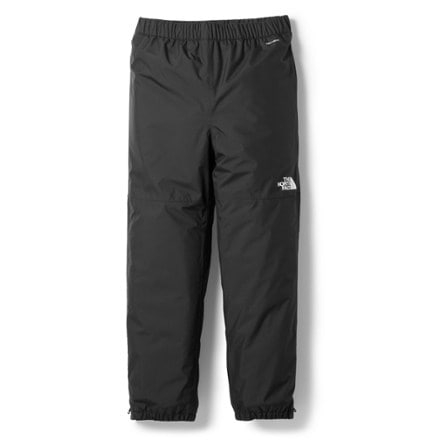
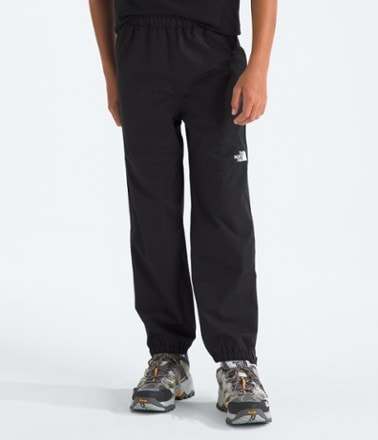
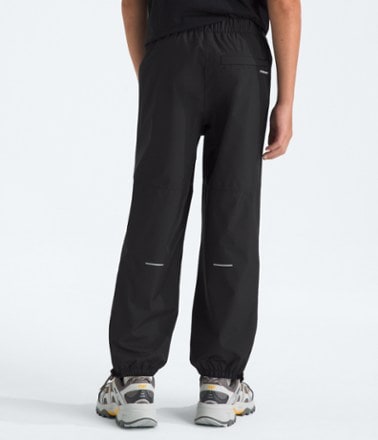
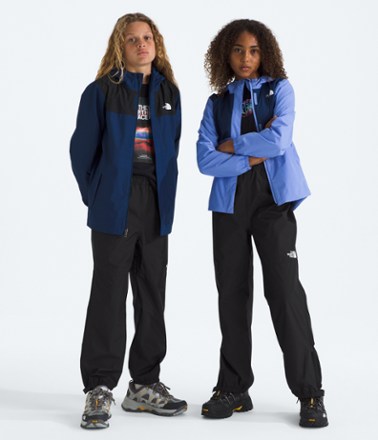
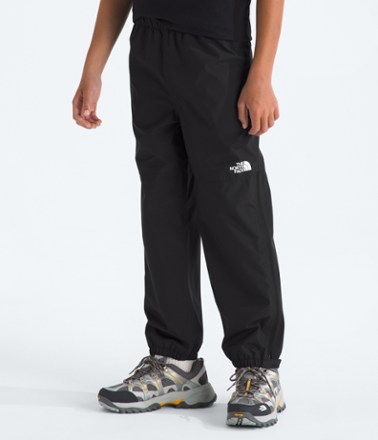
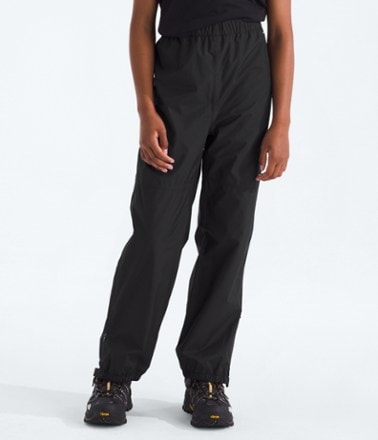
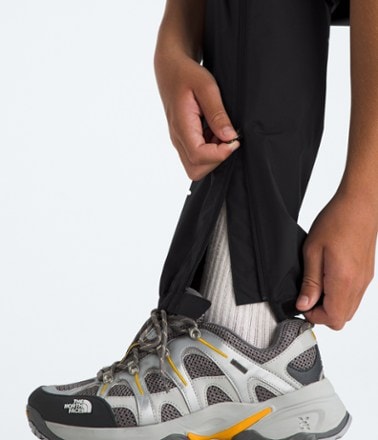
- The North FaceAntora Rain Pants - Kids'$80.00(9)9 reviews with an average rating of 3.7 out of 5 stars
Sort: Best Match
Related Expert Advice articles
Learn how to compare fabrics and choose travel clothing that dries fast, resists wrinkles and provides sun, rain or insect protection.
Learn which clothes to bring backpacking in order to keep your pack light while making sure you'll have everything you need.
Choose your fit
- Standard or straight: consistent leg width
- Slim: tighter or tapered to the leg
- Relaxed or wider: fits loosely throughout the thighs, knees and calves
What material do you prefer?
- Synthetic
- Polyester: affordable, stretchy, doesn't wrinkle
- Nylon: durable, abrasion-resistant, less stretch
- Spandex: stretchy, moves easily, less breathable
- Natural fibers
- Cotton: durable, breathable, dries slower
- Wool: stretchy, durable, odor-resistant, pricier
- Hemp: durable, renewable, not as soft
Additional features
- Moisture wicking: moves sweat to the outer surface while also drying quickly
- Pockets: zippered pockets offer more security
- Sun-protective fabric: higher UPF rating means better sun protection
- Convertible: can be worn full-length or as shorts
- Insect repellent: treated with coatings can help keep pests off
Waterproof vs. water-resistant
- Waterproof/breathable: keeps out hard, driving rain while also being breathable
- Waterproof/nonbreathable: a slicker or poncho—inexpensive but traps heat
- Water-resistant: can handle light to moderate rain, breathable but permeable
Windproof vs. wind-resistant
- Waterproof jackets are also windproof, do not let wind pass through fibers
- Wind-resistant jackets are lighterweight but won't handle a squall
Hard shell vs. soft shell
- Hard shell: the most protection, less breathability, not insulated
- Soft shell: stretchy and breathable, best for high-exertion, typically water-resistant, not -proof
Rainwear layers
- 2-layer: quietest, midweight, durable moderately priced
- 2.5-layer: lightweight, good protection, lowest priced
- 3-layer: best protection, best protection and breathability, highest price
Learn what clothing and gear you’ll need to wear skiing or snowboarding. We cover the basics: from underwear to jacket and from head to toe.
Key features to look for
- Moisture wicking: moves sweat to the outer surface while also drying quickly; that lets you break a sweat without feeling clammy or chilled.
- Sun-protective fabric: Protect yourself from harmful UV exposure by choosing clothing with a UPF; a higher rating means better sun protection
- Quick drying: Materials that dry quickly keep you cool, comfortable and dryInsect repellent: treated with active ingredients to help keep ticks, mosquitoes and other pests at bay
Hike clothing fabrics
- Merino wool has fine fibers that make it soft, breathable, moisture-wicking, reasonably quick to dry and not prone to retaining odors.
- Polyester/nylon: Generally less expensive than merino wool, these synthetics excel at wicking sweat and drying fast, and many incorporate recycled materials
Dress in layers
- Start with a base layer that wicks sweat off your skin; this includes underwear, a bra, hiking shirt and hiking pants
- Add a middle layer to retain body heat in colder conditions; this could be a fleece jacket, an insulated vest or puffy jacket
- An outer layer, like a rain jacket, shields you from wind and rain