Kids' Downhill Skis: Deals
(2 products)- Deals (2)
- Bent (1)
- 160 to 169 (1)
- 80 to 149 (1)
- Tip and Tail Rocker (1)
- Tip Rocker (1)
- 10 (1)
- 3 (1)
- Downhill Skiing (2)
- Twin (2)
- 5 to 7.99 (2)
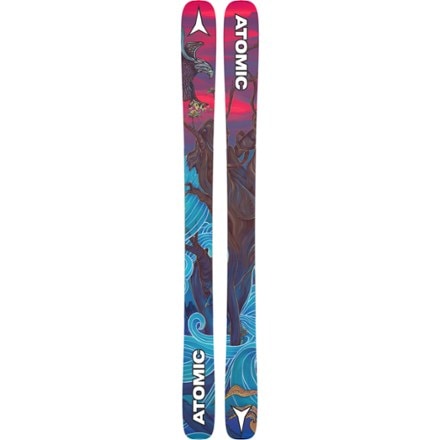
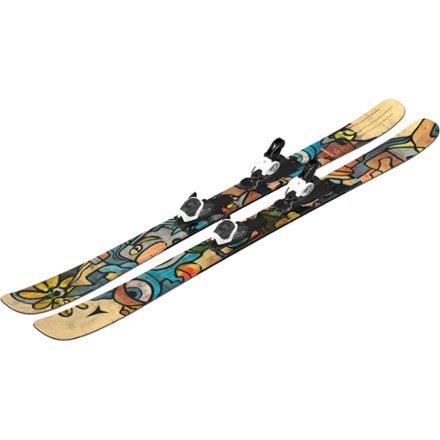
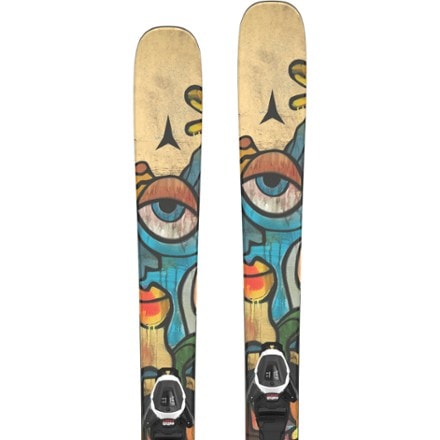
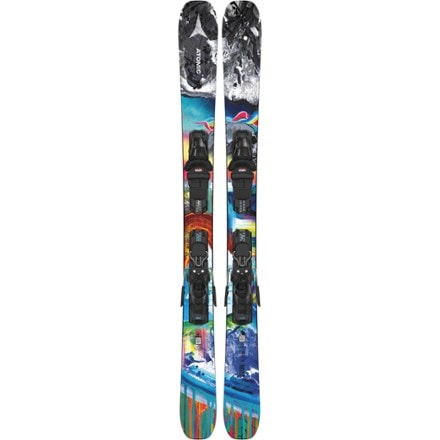
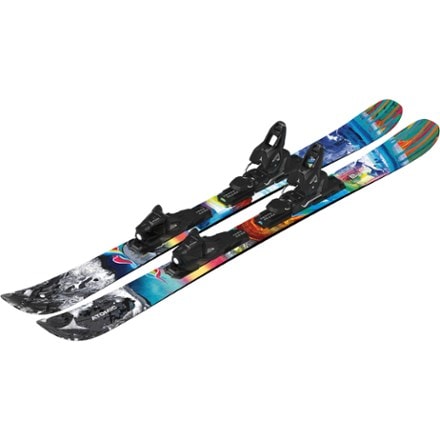
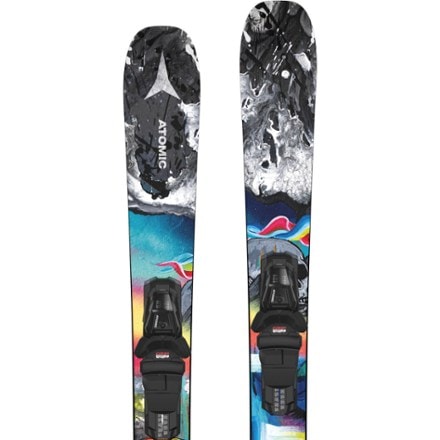
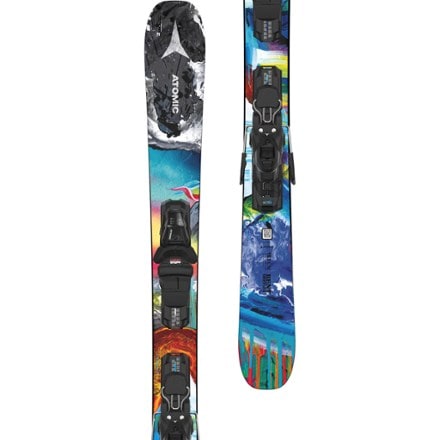
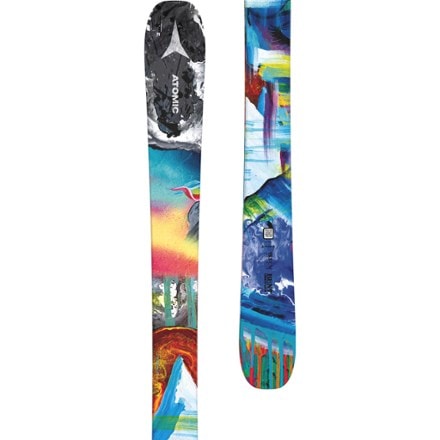
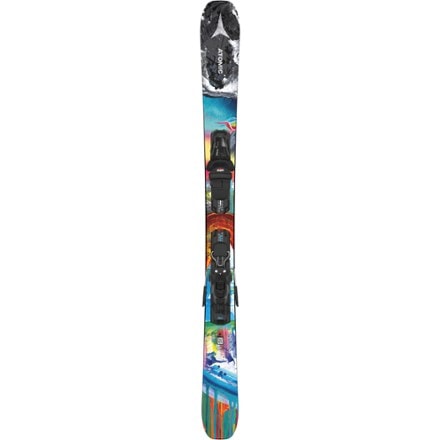
- AtomicBent Chetler Mini 153-163 Skis with Bindings - Kids' - 2024/2025$317.93Save 40%compared to $529.95(1)1 reviews with an average rating of 5.0 out of 5 starsTerrain:Groomed and powderWaist Width:90 mmSidecut Radius:13 to 14 m
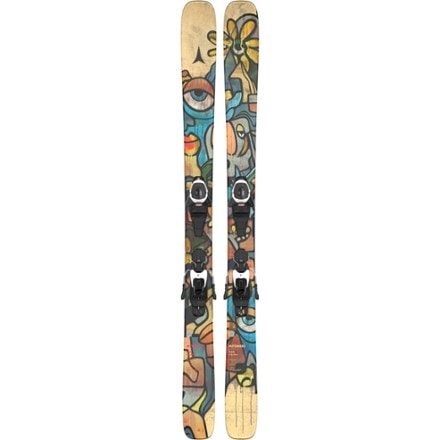
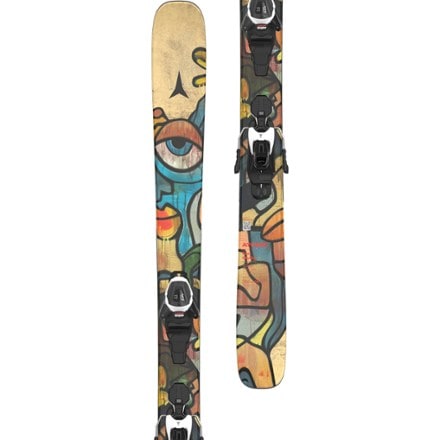
- ArmadaTantrum Skis - Kids' - 2024/2025$239.93Save 50%compared to $479.95(0)0 reviewsTerrain:Groomed and powderWaist Width:98 to 99 mmSidecut Radius:10 to 11 m
Related Expert Advice articles
What type of terrain will you ski most?
Match your skis to the conditions and areas on the mountain you like to ski. Choices include all-mountain, powder, freestyle and backcountry skis.
Find your preferred ski length
Factor in your height and skiing ability. In general, the ski should reach between your chin and the top of your head.
Consider a ski's dimensions
A ski's dimensions are measured in width at 3 places: the tip, waist and tail. The waist (middle) is key; a narrow waist gets on edge quicker; a wider one floats better on powder.
What type of skiing will you be doing?
- Downhill ski poles: Poles for alpine skiing help with balance and timing turns. Many are fixed length; some are adjustable.
- Backcountry ski poles: Opt for adjustable poles so you can lengthen poles when going uphill and shorten them when descending.
- Cross-country ski poles: Longer and lighter, designed to help you glide forward efficiently. Poles for skate skiing are longer than for classic skiing.
Find the right length
When looking for proper fit, consult the brand's sizing chart. For downhill skis, wear your boots and turn the poles upside down. Grip the poles just below the basket. Your elbow should form a 90° angle. If the angle is less than 90°, try a shorter pole. If the angle is greater, get a longer pole.
Pole features
- Straps: Wrist straps help retain poles during turns and falls. Some models have detachable straps for quick transitions.
- Baskets prevent poles from sinking into the snow. Choose a standard basket for most conditions, and use a larger basket for powder skiing.
How to size a ski or snowboard helmet
- Helmets should fit comfortably and sit correctly on your head for the best protection.
- If possible, try helmets on in-person at your local REI store to find one that feels most comfortable.
- To find your size, measure your head circumference. Wrap a tape measure around your head, just above the ears and about 1" above your eyebrows. Consult the sizing chart for different brands to find the right size.
Key features to consider:
- Vents let cool air in and warm sweaty air out. Adjustable levers let you fine-tune airflow on the go.
- Liners: Customize warmth by adjusting liners or ear pads. Some removable liners can be washed.
- Audio: Helmets with built-in speakers let you listen to music.
- Googles compatibility: Make sure the helmet fits snugly to the top of the goggles, but not so low that it hinders vision or pushes down the goggles. There should be no gap between the top of your goggles and the helmet.
Happy riding!