Skip to search results
loaded 1 results
ChromaPop Kids' Downhill Skiing
(1 product)Products (1)
Filter
- Smith (1)
- Snowsports (1)
- Deals (1)
- Made in USA (1)
- Eyewear Compatible (1)
- Pink (1)
- DryVent (8)
- Heatseeker (8)
- Mips (8)
- Omni-Heat (9)
- Omni-Tech (8)
- Thinsulate (11)
- WindWall (8)
- Boa (1)
- ChromaPop (1)
- DryVent (8)
- FlashDry (3)
- GORE-TEX (2)
- Heatseeker (8)
- Indestructawool (2)
- Mips (8)
- Omni-Heat (9)
- Omni-Tech (8)
- Omni-Wick (1)
- PrimaLoft (7)
- RECCO (3)
- Thermogreen (1)
- Thinsulate (11)
- WindWall (8)
- $50.00 to $99.99 (1)
- Spherical (1)
- Grom (1)
Sort: Best Match
View:
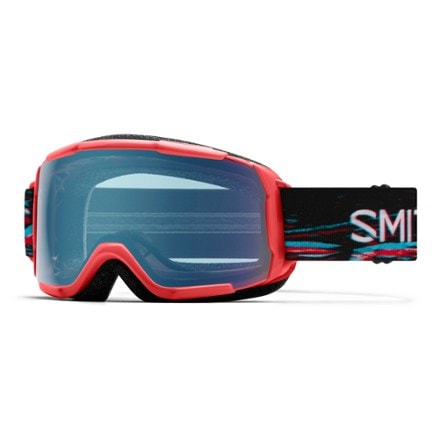
- SmithGrom ChromaPop Snow Goggles - Kids'$56.87Save 40%compared to $95.00(4)4 reviews with an average rating of 3.8 out of 5 starsREI OUTLET
Sort: Best Match
Related Expert Advice articles
Steep slopes can be fun or frightening. This article and video will help you develop the skills you need to navigate steep terrain.
Learn how to do kick turns so you can quickly change direction on the ski hill without losing elevation. Includes a video and helpful tips.
Where do you plan to ski?
Match your skis to the conditions and areas on the mountain you enjoy skiing. Your choices are all-mountain skis, powder skis, freestyle skis and backcountry skis.
Consider the waist width of your ski:
- If you ski groomers or are a beginner, consider a narrower ski—under 90mm wide.
- If you ski the whole mountain and prize versatility, look for an all-mountain ski, from 91-114mm wide.
- For deep or soft powder purists, opt for a ski that’s 115mm or more wide.
Find your preferred ski length
- As a general rule, your skis should reach between your chin and the top of your head.
- Length also depends on your height, weight, ability level, skiing style and terrain preferences.
Choose a fabric type
- Wool: Stays warm when wet, resists odor and wicks moisture
- Synthetic (nylon, polyester or acrylic): Ideal for sensitive skin, trap warmth and wick moisture.
How much cushioning do you want?
- No cushioning: Best for tighter-fitting performance boots that have a tighter fit or maximum ground feel
- Light cushioning: Shin padding with minimal cushioning on the balls of the feet, often with reinforced toes and heels
- Medium cushioning: Added padding for warmth and impact absorption; ideal for cold conditions or looser-fitting boots
Length
- Knee high: Most socks for skiing and snowboarding go up to the knees to help protect from shin bang
- Crew: Cross-country skiers and snowshoers may prefer shorter hiking socks
Learn what clothing and gear you’ll need to wear skiing or snowboarding. We cover the basics: from underwear to jacket and from head to toe.
Find your size
- Measure the circumference of the largest part of your head
- Wrap a tape measure just above your ears and about 1 inch above your eyebrows
- Use brand sizing charts to find your size
- If you can, try helmets on in-person with your goggles
Fit tips
- A good helmet should feel snug but not tight
- If the helmet rocks back and forth or shifts from side to side, the fit is too loose
- It should sit level on your head no more than 1 inch above your eyebrows
Key features:
- Vents: Let cool air in and warm air out. Adjustable vents help fine-tune airflow
- Liners: Adjust liners or ear pads for warmth
- Goggles compatibility: Fit snugly to the top of the goggles without gaps
Happy riding!
Related searches