Skip to search results
loaded 32 results
Smartwool Long Sleeve Women's Clothing
(32 products)Products (32)
Filter
- Women's Tops (32)
- Women's Shirts (21)
- Women's Underwear (17)
- Women's Jackets (1)
- Deals (32)
- Multisport (23)
- Casual (7)
- Fitness (3)
- Running (2)
- Hiking (1)
- $20.00 to $49.99 (5)
- $50.00 to $99.99 (22)
- $100.00 to $199.99 (9)
- Wool (3)
- Wool / Wool Blend (30)
- Polyester / Polyester Blend (2)
- Merino Wool (32)
- Moisture Wicking (20)
- Quick Drying (14)
- Top Rated (9)
- Thumbholes (3)
- Sun-Protective Fabric (1)
- Classic All Season (3)
- Classic Thermal Merino (5)
- Intraknit (7)
- Merino Sport (1)
- Sleeveless (4)
- Short Sleeve (6)
- Long Sleeve (32)
- T-shirt (10)
- Partial-zip (7)
- Mock / Turtleneck (3)
- Waist-length (1)
- Hip-length (11)
- Partial-zip (2)
- Pullover (10)
- Lightweight (2)
- Midweight (12)
- Heavyweight (1)
Sort: Best Match
View:
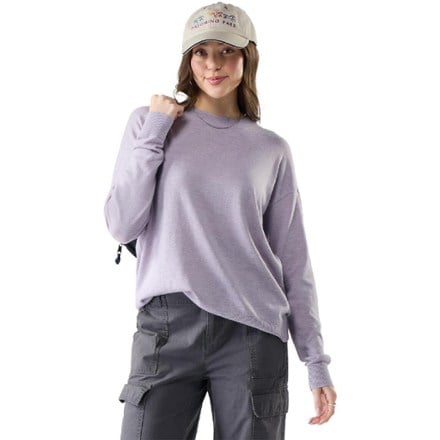
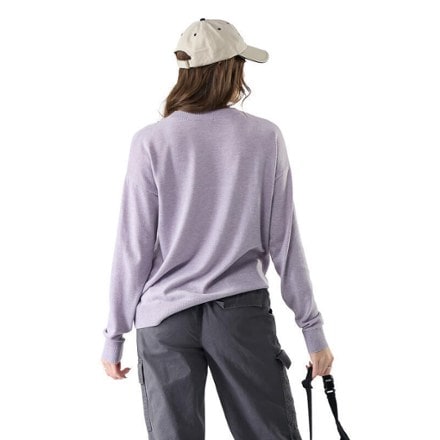
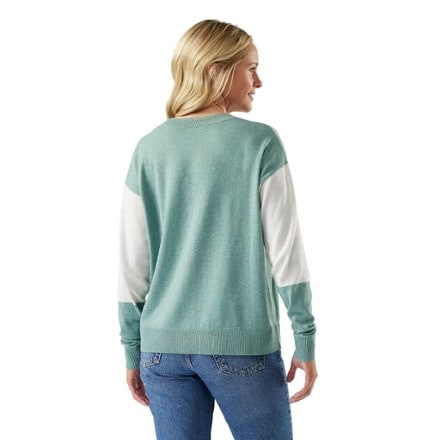
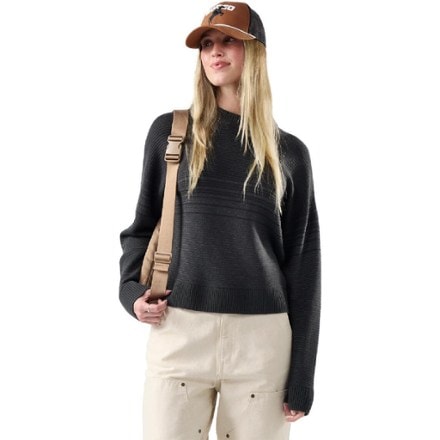
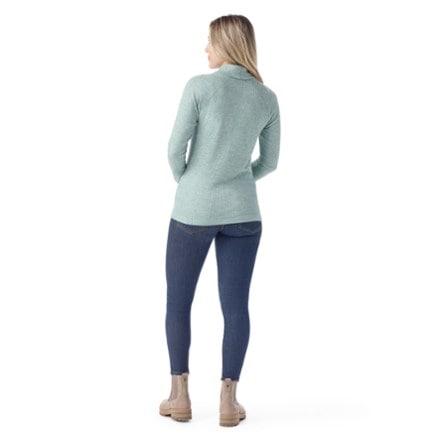
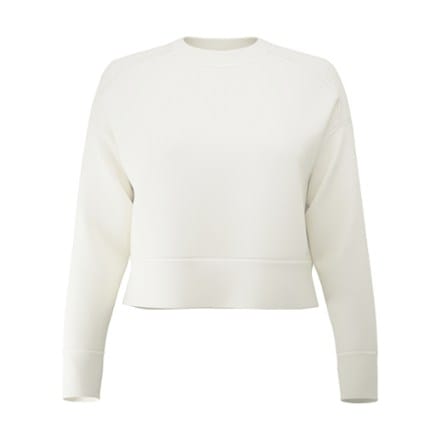
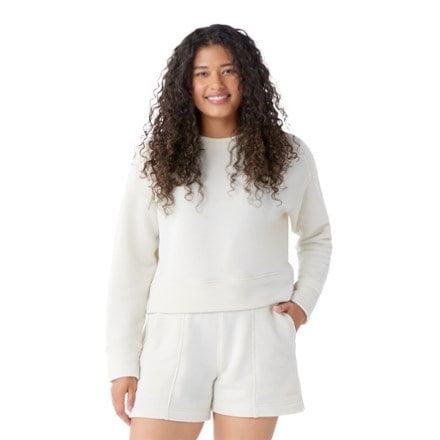
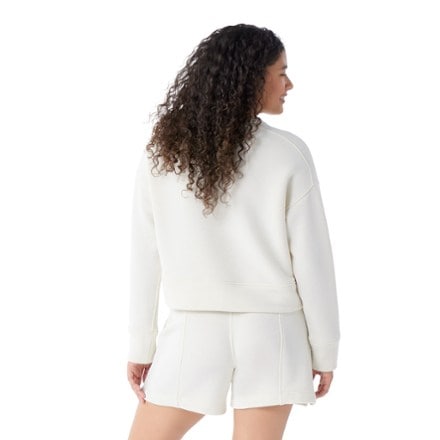
- SmartwoolAlpine Crew Sweater - Women's$86.83Save 50%compared to $175.00(0)0 reviews
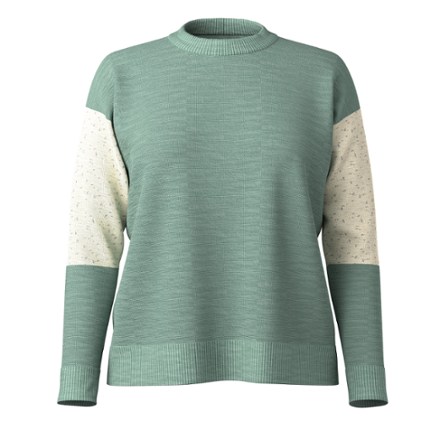
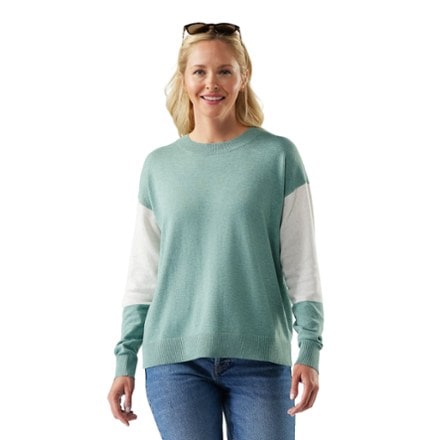
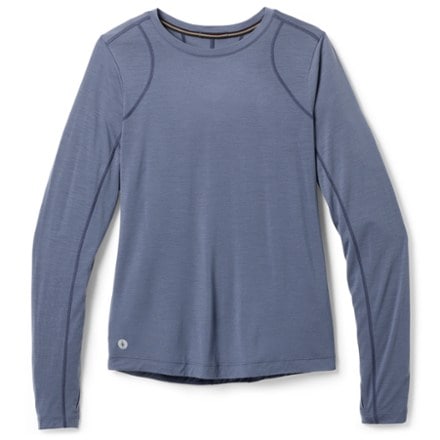
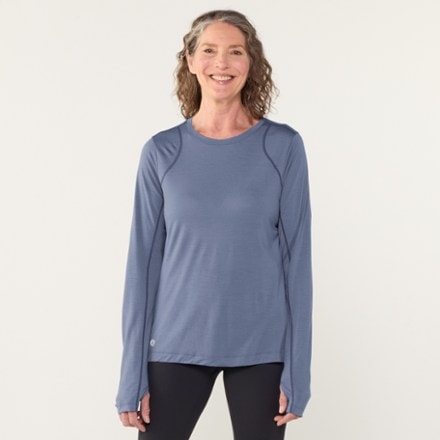
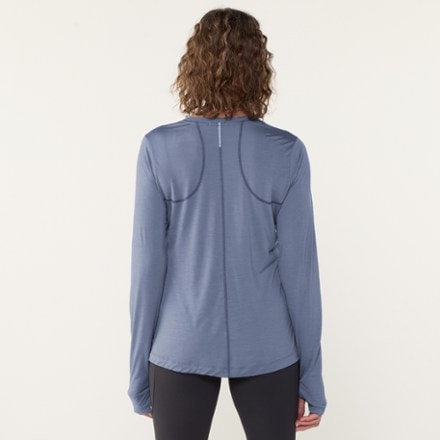
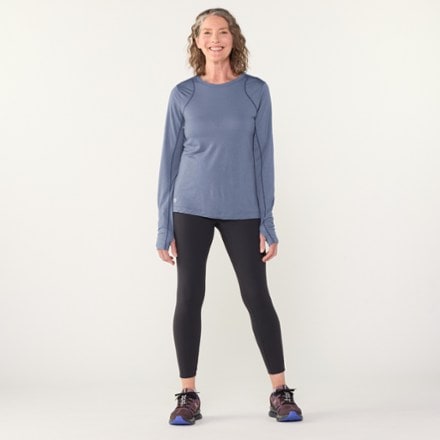
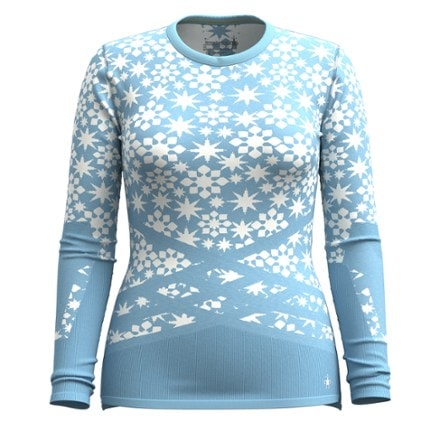
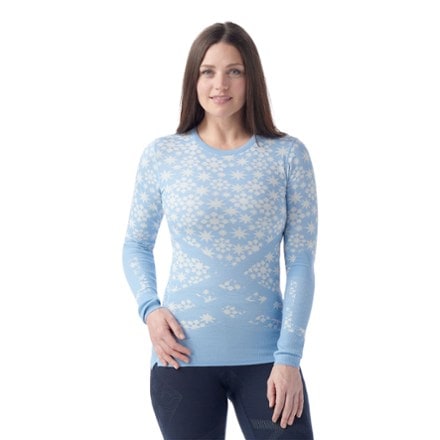
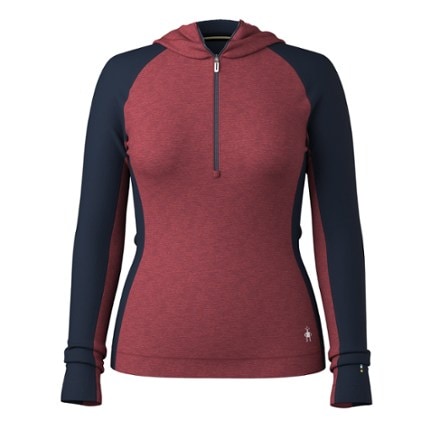
- SmartwoolClassic Thermal Merino Colorblock Crew Base Layer Top - Women'sTop Rated$49.83Save 61%compared to $130.00(5)5 reviews with an average rating of 5.0 out of 5 stars
31–32 of 32 products
Sort: Best Match
Related Expert Advice articles
Choose a fabric type
- Wool: Stays warm when wet, resists odor and wicks moisture
- Synthetic (nylon, polyester or acrylic): Ideal for sensitive skin, trap warmth and wick moisture.
How much cushioning do you want?
- No cushioning: Best for tighter-fitting performance boots that have a tighter fit or maximum ground feel
- Light cushioning: Shin padding with minimal cushioning on the balls of the feet, often with reinforced toes and heels
- Medium cushioning: Added padding for warmth and impact absorption; ideal for cold conditions or looser-fitting boots
Length
- Knee high: Most socks for skiing and snowboarding go up to the knees to help protect from shin bang
- Crew: Cross-country skiers and snowshoers may prefer shorter hiking socks
Running is more comfortable with the right clothing. This article highlights fabrics and features for warm weather and winter running.
Select your sock height
- No-show: Minimal protection; best with low-cut footwear like trail-running or light hiking shoes
- Ankle: Covers your ankle bone; best for low- to mid-cut shoes and boots
- Crew: Extends above ankle; good for boots or shoes
- Knee-high: Provides warmth and protection against high-cut boots
Choose your preferred cushioning level
- None: Ultralight; ideal for hot weather or as sock liners
- Light: Thin cushioning; better for warm conditions
- Medium: Targeted cushioning in the heel and ball; ideal for moderate to cold conditions
- Heavy: Thickest and most cushioned; best for long trips, rugged terrain and cold
Select a fabric
- Choose moisture-wicking, quick-drying materials like wool, polyester or nylon
- Spandex adds stretch to prevent bunching
- Cotton isn't recommended as it absorbs moisture and dries slowly
Find your fit
- Choose based on your foot size, not shoe size.
- If you're between sizes, size down to avoid excess material that can bunch up and cause blisters.
- Socks should feel snug but not tight, and the sock's heel cup should naturally line up with your heel.
Fabrics
- Synthetic: moisture-wicking, quick drying, durable, but can hold on to odor
- Wool: moisture-wicking, odor-resistant, cooling in warm weather, can be less durable
Styles
- Bikini: less rear coverage, thinner waistband, higher-cut leg
- Briefs (women's): full-cut briefs offer more coverage in front and back; hipsters offer medium front coverage and back with higher rise
Briefs (men's): close fit and good support, but less thigh coverage
- Boxer brief or boy shorts: snug fit, good coverage, longer cut extends down to the upper thigh
- Boxers: looser fit, added coverage can prevent chafing but prone to bunching
- Thongs: lightweight and quick-drying but provide the least coverage
- Sports bras: compression and support during high-output activities like hiking and running
Which material is best?
- Wool: highly moisture-wicking and odor-resistant
- Synthetic: durable and less expensive
- Silk: soft and lightweight for casual activities
Match the temp to the trek
- Lightweight layers: best for moderate to cool temperatures
- Midweight layers: best for cold temperatures
- Heavyweight layers: best for below-freezing temperatures
Find your fit
- Must be close to skin to efficiently wick sweat; should fit comfortably snug
- Base layer is for moisture control; your mid layer is for warmth
Learn what clothing and gear you’ll need to wear skiing or snowboarding. We cover the basics: from underwear to jacket and from head to toe.