Rossignol Kevlar Skiing
(1 product)- Skis (1)
- Downhill Skis (1)
- Boa (4)
- Kevlar (1)
- Thinsulate (17)
- 170 to 179 (1)
- 180 to 199 (1)
- Downhill Skiing (1)
- No (1)
- Unisex (1)
- Powder (1)
- Partial Twin (1)
- Greater than 109 (1)
- 8 to 11.99 (1)
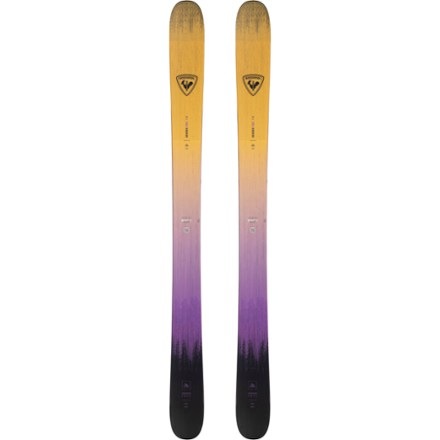
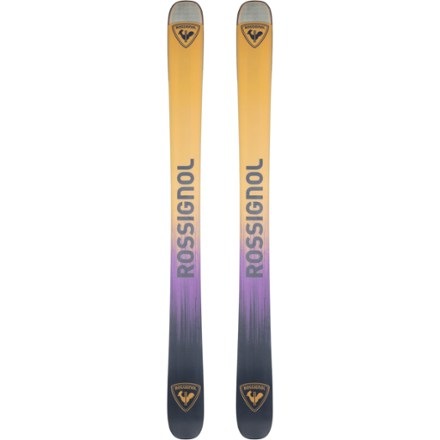
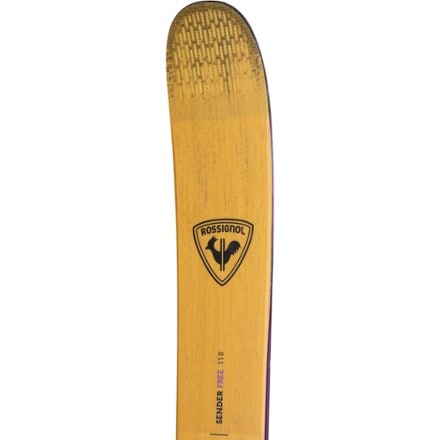
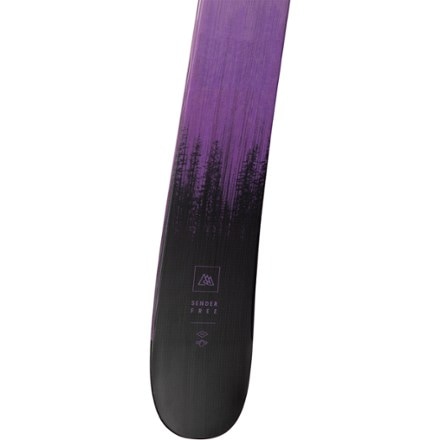
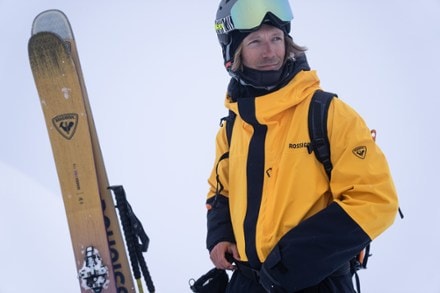
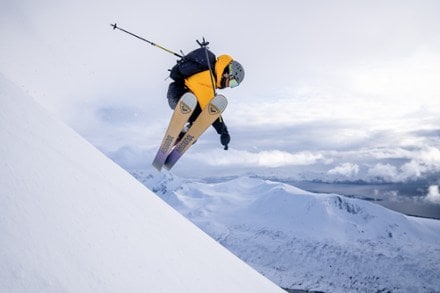
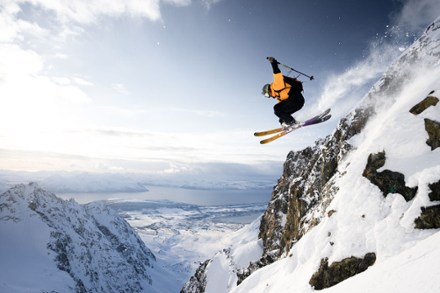
- RossignolSender Free 118 Skis - 2025/2026$899.95(4)4 reviews with an average rating of 5.0 out of 5 stars
Related Expert Advice articles
Where do you plan to ski?
Match your skis to the conditions and areas on the mountain you enjoy skiing. Your choices are all-mountain skis, powder skis, freestyle skis and backcountry skis.
Consider the waist width of your ski:
- If you ski groomers or are a beginner, consider a narrower ski—under 90mm wide.
- If you ski the whole mountain and prize versatility, look for an all-mountain ski, from 91-114mm wide.
- For deep or soft powder purists, opt for a ski that’s 115mm or more wide.
Find your preferred ski length
- As a general rule, your skis should reach between your chin and the top of your head.
- Length also depends on your height, weight, ability level, skiing style and terrain preferences.
Classic skis or skate skis?
- Classic skiing uses a back and forward motion similar to walking.
- Skate skiing resembles the movements of a speed skater.
Get the right ski size
Find the ski length recommended for your body weight. Factor in skill level too. Longer skis tend to be faster. Shorter skis tend to be easier to turn on and control.
Do you want to tour or race?
- Classic touring skis are best for groomed tracks.
- Race and performance classic or skate skis are best for groomed tracks but built for faster skiing than classic touring skis.
- Metal touring skis are made for skiing out-of-track or on steeper terrain.
What type of skiing will you be doing?
- Downhill ski poles: Poles for alpine skiing help with balance and timing turns. Many are fixed length; some are adjustable.
- Backcountry ski poles: Opt for adjustable poles so you can lengthen poles when going uphill and shorten them when descending.
- Cross-country ski poles: Longer and lighter, designed to help you glide forward efficiently. Poles for skate skiing are longer than for classic skiing.
Find the right length
When looking for proper fit, consult the brand's sizing chart. For downhill skis, wear your boots and turn the poles upside down. Grip the poles just below the basket. Your elbow should form a 90° angle. If the angle is less than 90°, try a shorter pole. If the angle is greater, get a longer pole.
Pole features
- Straps: Wrist straps help retain poles during turns and falls. Some models have detachable straps for quick transitions.
- Baskets prevent poles from sinking into the snow. Choose a standard basket for most conditions, and use a larger basket for powder skiing.