NEMO Waterproof Camping and Hiking
(3 products)- Hiking Backpacks (3)
- Daypacks (1)
- Hiking (3)
- Backpacking (2)
- $100.00 to $199.99 (1)
- $200.00 to $499.99 (2)
- Waterproof (3)
- Reservoir Compatible (3)
- Hipbelt Pockets (2)
- Adjustable Torso Length (2)
- Top Rated (1)
- 1.50 to 2.99 (3)
- Weekend (35-50L) (2)
- Backpack (1)
- Top (3)
- Internal Frame (2)
- Frameless (1)
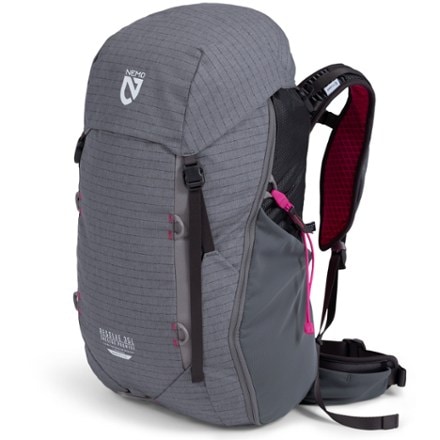
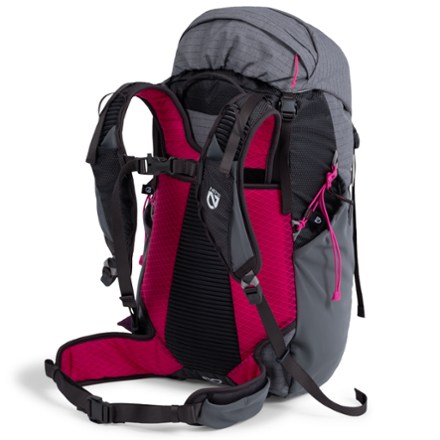
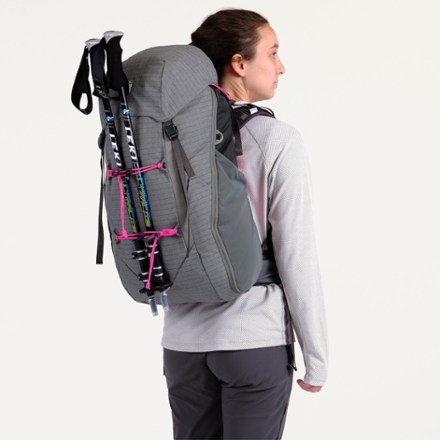
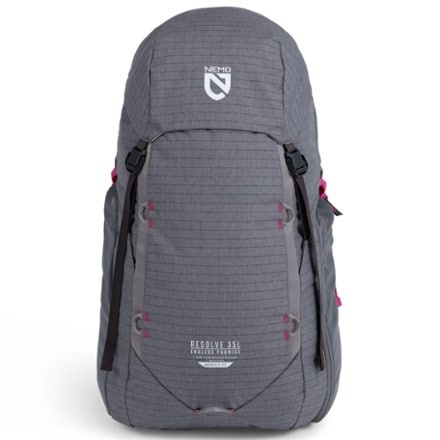
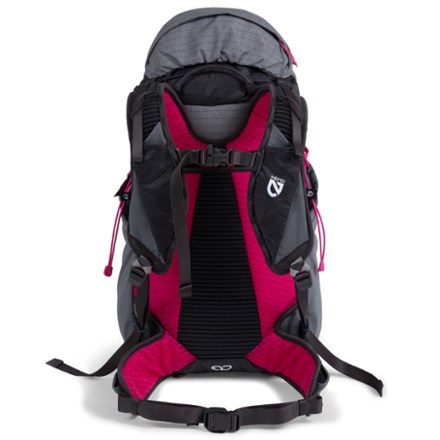
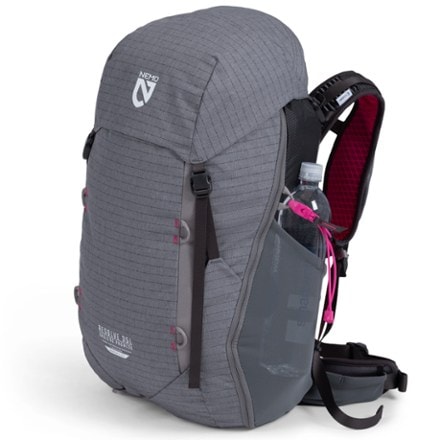
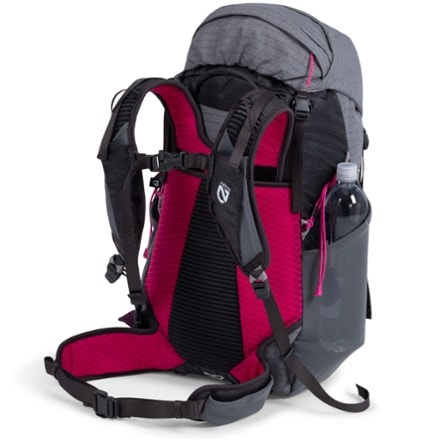
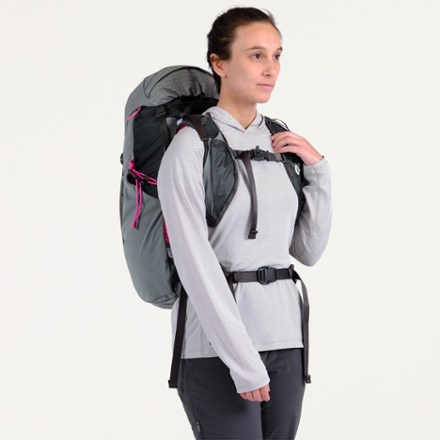
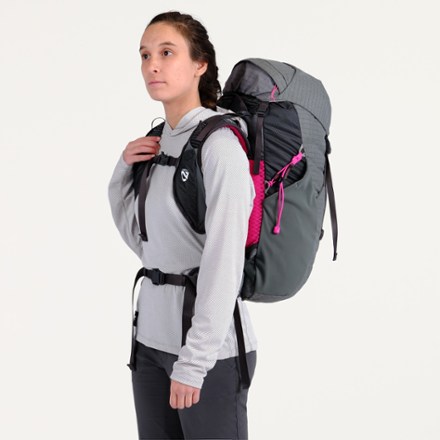
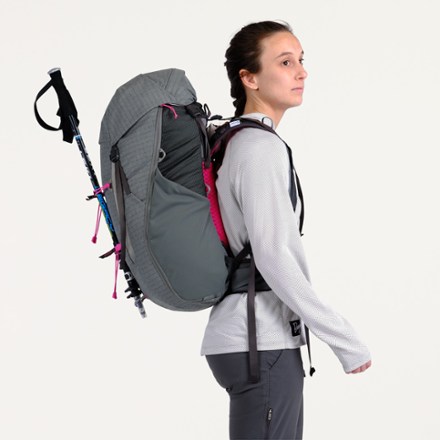
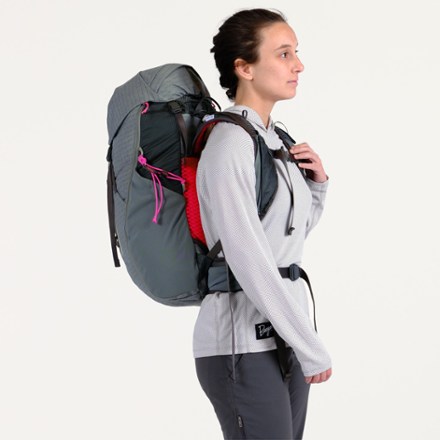
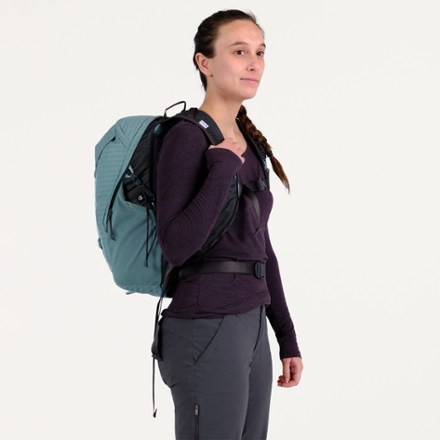
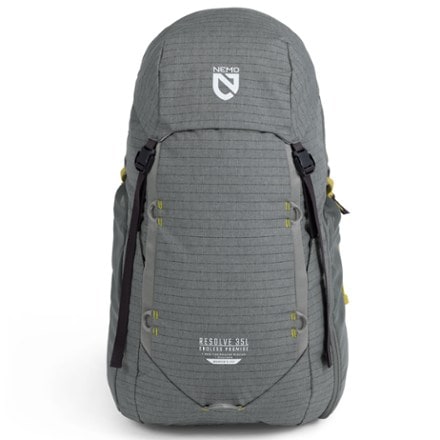
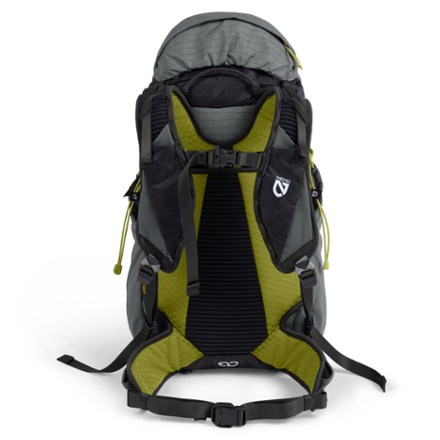
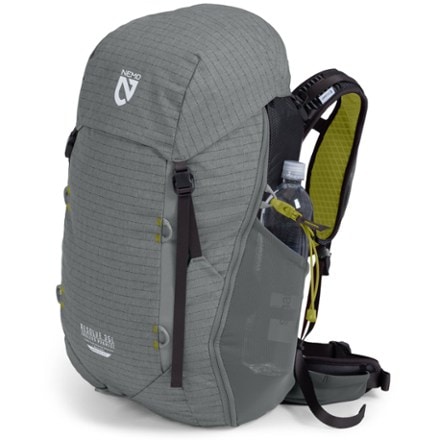
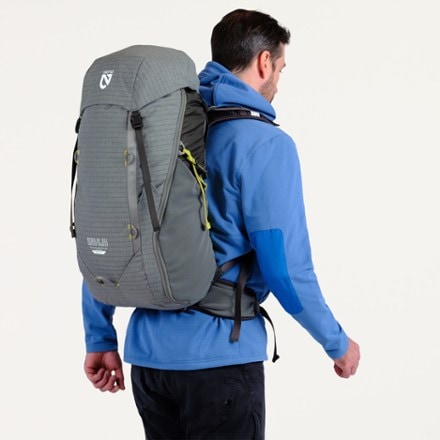
- NEMOResolve 35 L Endless Promise Technical Active Pack - Women's$219.95(4)4 reviews with an average rating of 5.0 out of 5 stars
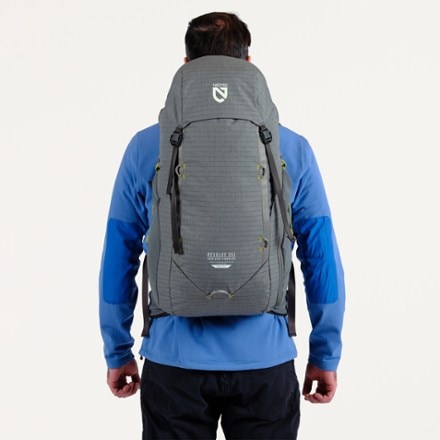
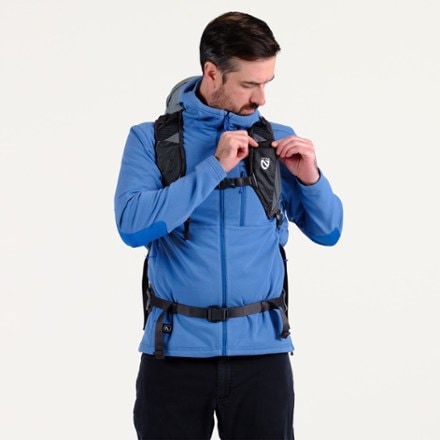
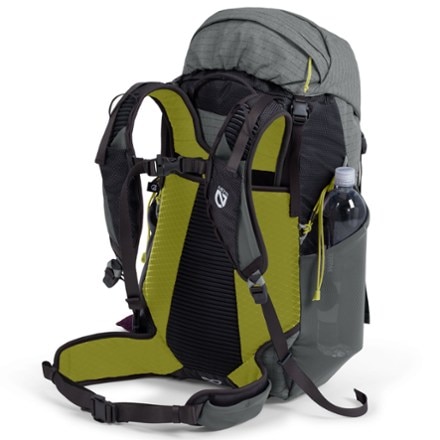
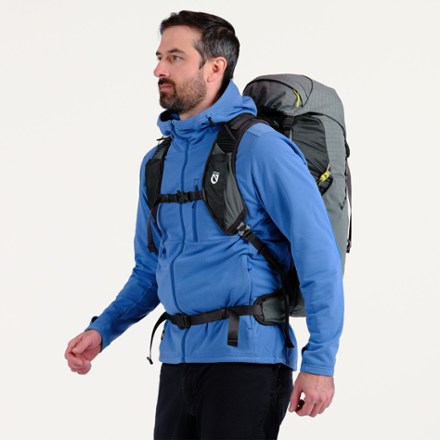
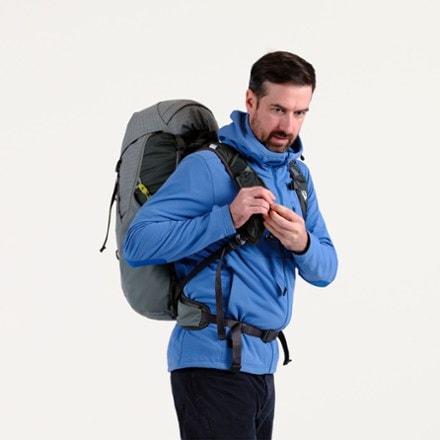
- NEMOResolve 35 L Endless Promise Technical Active Pack - Men'sTop Rated$219.95(5)5 reviews with an average rating of 5.0 out of 5 stars
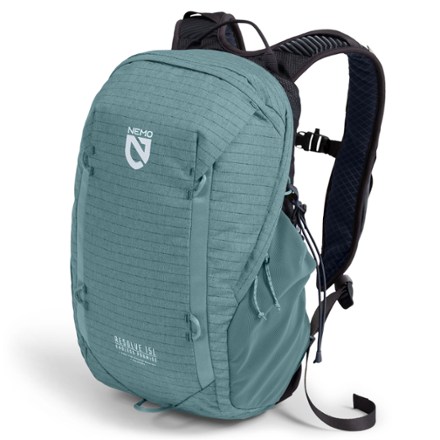
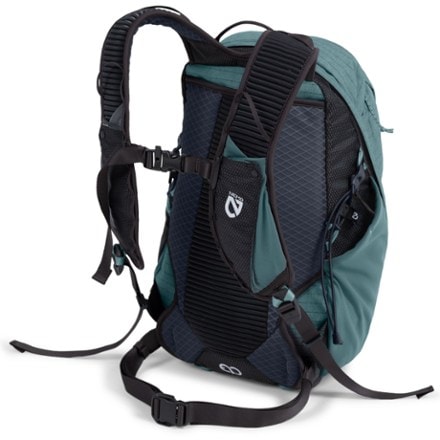
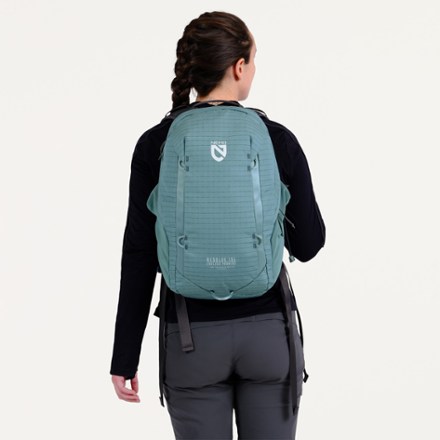
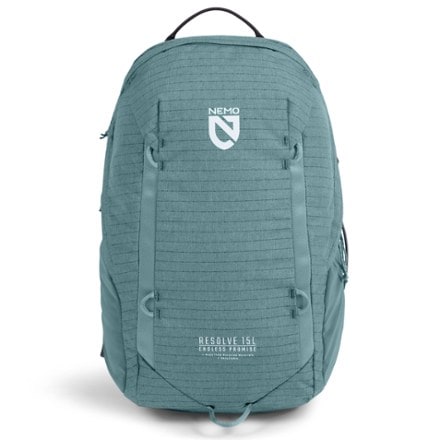
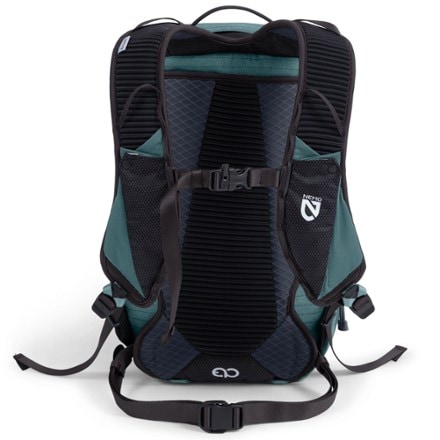
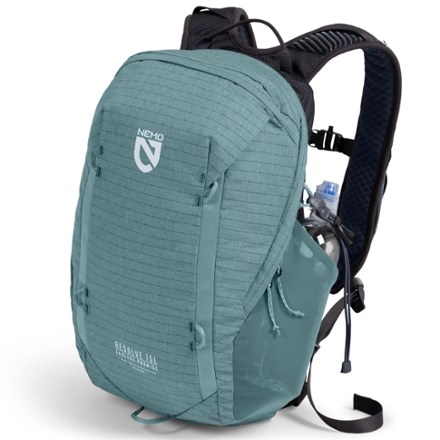
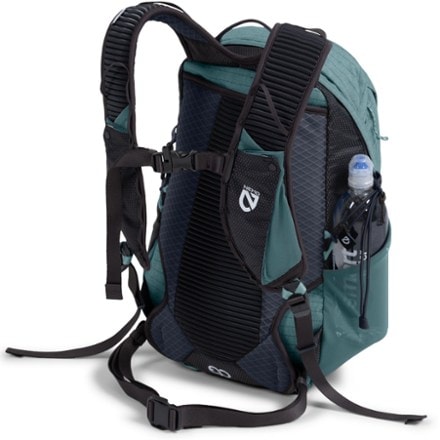
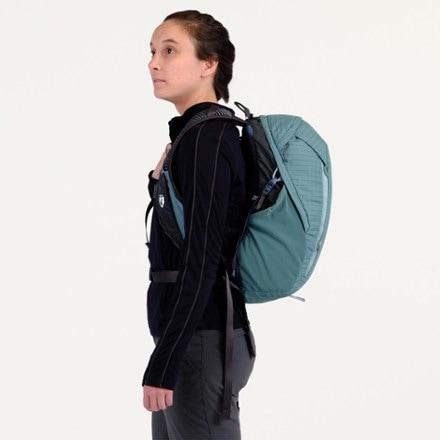
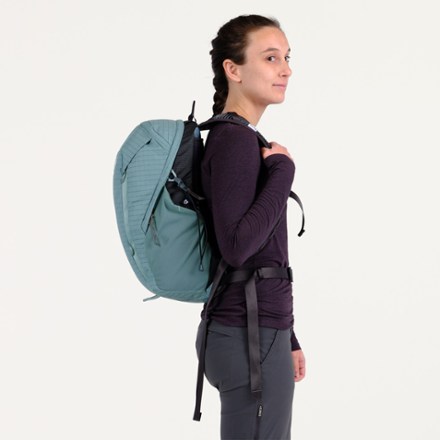
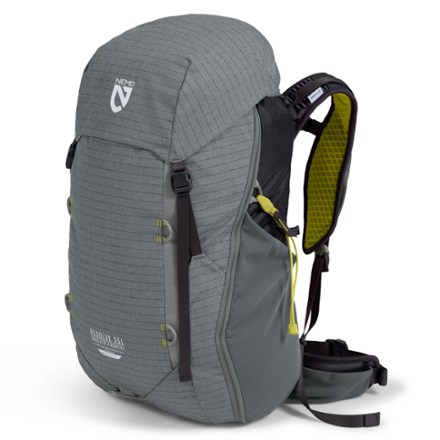
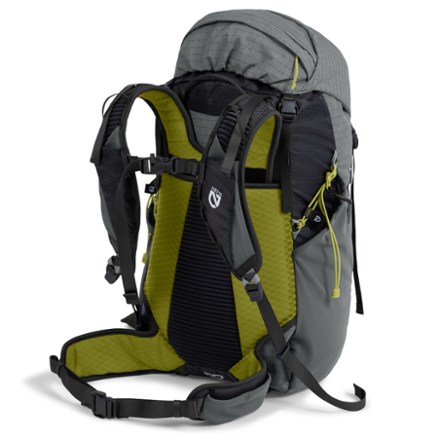
- NEMOResolve 15 L Endless Promise Technical Active Pack$159.95(1)1 reviews with an average rating of 5.0 out of 5 stars
Related Expert Advice articles
What size hammock is best for you?
- Single: Lighter for backpacking but less spacious.
- Double: Two people can share or one person to spread out.
- Length: Look for a hammock that is at least 2 feet longer than your height.
- Weight capacity: Check to make sure it suits your needs.
Consider accessories:
- Underquilts offer great insulation for hammock camping in cooler weather.
- Rain tarps, hung above the hammock, protect you from the elements.
- Bug nets: Look for models with 360-degree protection and “no-see-um” netting.
Should you consider a hammock tent?
- Pros: Generally lighter and more compact than a traditional tent, doesn't require level ground and has less impact on ground vegetation.
- Cons: Won’t work without sturdy trees, colder and less rainproof than a traditional tent, and have minimal interior storage.
Liner uses
- Backpacking: A mummy-shaped liner can add 5° to 15°F of warmth to your bag. It also helps your bag last longer by protecting it from dirt and body oils.
Traveling: A rectangular liner separates you from unclean bedding.
Liner materials
- Silk: Very light, compact and insulates in cold weather. Absorbent and breathable in warm weather. Price: moderate to expensive.
- Cotton: Strong, durable, absorbent. Not the lightest or most compact. Price: economical.
- Fleece and microfleece: Warmer, heavier, soft, moisture-wicking, quick-drying. Mid- and heavyweight varieties are bulky. Price: moderate.
- Synthetics: Moisture-wicking, breathable, stretchy. Price: moderate.
- Insulated: Adds enough warmth to greatly extend the temp range of a lightweight bag. Price: moderate to expensive.
How will you use the chair?
If you plan to take it backpacking, consider its weight and packed size.
For car camping, picnicking or sitting in your backyard, pick a premium chair that's as big and plush as you'd like.
Chairs for backpacking
Stools: These are the lightest and simplest option. They don't have a back rest.
Scoop: These resemble a sling and offer a good compromise between lightness and comfort.
- Legless: A clamshell-like mat that opens into a chair. Lightweight and packable.
Chairs for camping
Classic: Has four legs, a straight back and a flat seat. Affordable, stable and typically high enough to sit and stand with ease.
Low: A chair with four short legs that’s good on uneven ground.
Suspended: A newer, pricier style that suspends the sitter from the chair frame.
Features to consider
Price typically reflects frame quality and materials used, with lighter options often costing more.
Pay attention to extras such as cup holders, footrests, head and lumbar pads.
Read full article: The 5 Best Wide Sleeping Pads of 2025: Tested
Read full article: The Best Budget Sleeping Bags of 2025: Tested