MSR IsoPro
(1 product)- Camp Kitchen (1)
- Evo (4)
- Hubba (5)
- IsoPro (1)
- Lightning (6)
- PocketRocket (5)
- Revo (7)
- WhisperLite (2)
- WindBurner (5)
- Backpacking (1)
- Top Rated (1)
- $0.00 to $9.99 (1)
- 0 to 0.49 (1)
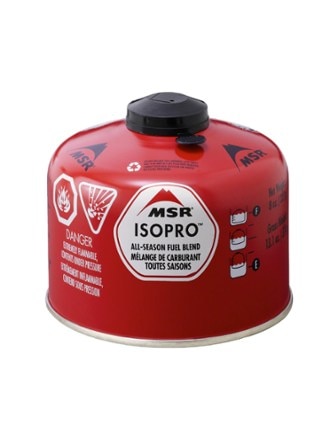
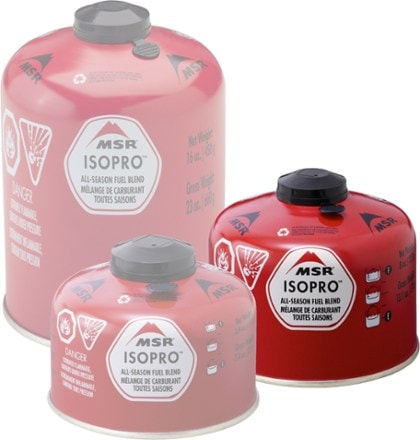
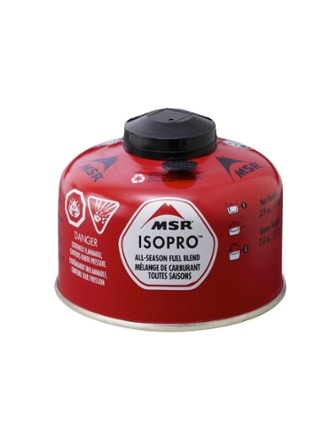
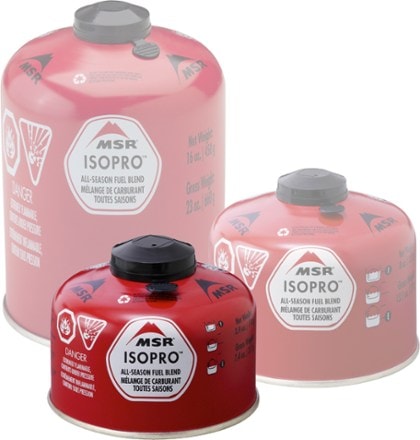
- MSRIsoPro Fuel Canister - 3.9 oz. / 110 gTop Rated$5.95(185)185 reviews with an average rating of 4.8 out of 5 stars
Get $130 in value
$30 in card rewards are yours when approved for the REI Co-op Mastercard by Mar 9. Plus, you can earn a $100 REI gift card after your first purchase. Terms apply.
Apply now
Related Expert Advice articles
How to Choose a Backpacking Stove
Decide on the stove type you want
Backpacking stoves are categorized by the type of fuel they use and how the fuel is stored.
Canister stoves use canisters of isobutane or propane. They’re easy to use and low maintenance.
Integrated canister systems pair a canister with a burner and a built-in pot.
Liquid fuel stoves connect to refillable fuel bottles. They’re versatile because they burn many types of fuels like white gas, kerosene and unleaded auto fuel.
Alternative-fuel stoves run on fuel pellets, wood or other fuel.
The pros and cons of each type
Canister stoves. Pros: easy to use. Low maintenance. Boils quickly. Cons: flame can weaken in the cold.
Integrated canister systems. Pros: boil water extremely quickly. Cons: prone to tipping.
Liquid fuel stoves. Pros: work well in cold weather. Boil water quickly, even in cold weather. Cons: require priming and occasional maintenance.
Wood-Burning Stoves. Pros: often simple, lightweight. Cons: require finding dry wood. Fire bans may limit use.
Denatured Alcohol Stoves. Pros: simple, quiet, use cheap alcohol. Cons: slow to boil.
Select the right specs and features
Consider a stove’s weight, average time to boil one liter of water and whether it features a push-button spark igniter (found on some canister-fuel stoves).
What capacity tent do you need?
- How many are in your group? Tents vary in size from 2- to 8-person.
- Assume a close fit for the number of people your tent is designed to accommodate. If you need more space for dogs and gear, size up.
Choose the seasonality
- 3-season tents are great shelters for most of the year. They have ample mesh for good airflow and can withstand basic downpours.
- 3+- season tents are a little sturdier, and with less mesh, and are warmer than their 3-season cousins.
- 4-season tents are engineered to handle high winds and other severe weather. This can make them stuffy in warm weather.
Decide on key features
- Peak height: Look for a taller peak height if you want to stand up in the tent.
- Floor length: Can you fully lie down if you’re tall? Will it fit your cot or air mattress?
- Doors: If multiple people are sleeping in the tent, you might want more than one door for more convenient access.
Read full article: The 7 Best Snowshoes of 2025: Staff Picks
Read full article: The 7 Best Trekking and Hiking Poles of 2025: Tested
Do you need a water filter or water purifier?
- Filters: Remove protozoa (Cryptosporidium, Giardia) and bacteria (E. coli, Salmonella)—main concerns in the U.S. and Canada.
Purifiers: Also combat viruses such as hepatitis A, rotavirus and norovirus.
Types of water filters
- Straw: Light and easy to use, but only works when you're at a water source.
Bottle: Lightweight, quick and affordable. Water volume is limited by bottle size.
Gravity: Easy to use, handles large quantities of water, and has a replaceable element.
Pump: Precise, works in shallow water sources and has a replaceable filter but bulky and requires cleaning.
Ultraviolet light: Fast, no filter to replace; requires batteries and prefiltering for cloudy water.
Squeeze: Compact and affordable; water quantity is limited by reservoir size.
Chemicals: Inexpensive, ultralight backup method; long wait time and don't taste great.