Black Diamond JetForce
(4 products)- Snowsports (4)
- Snowshoeing (4)
- Snowboarding (4)
- Snow Gear (4)
- Skiing (4)
- Downhill Skiing (4)
- Packs and Bags (4)
- Packs (4)
- Deals (3)
- Unisex (4)
- Backcountry Skiing (4)
- Splitboarding (2)
- Hipbelt Pockets (4)
- Avalanche Airbag (4)
- Reservoir Compatible (1)
- Black (4)
- Bluetooth (3)
- Frameless (3)
- Internal Frame (1)
- 5 to 7.99 (4)
- Weekend (35-50L) (1)
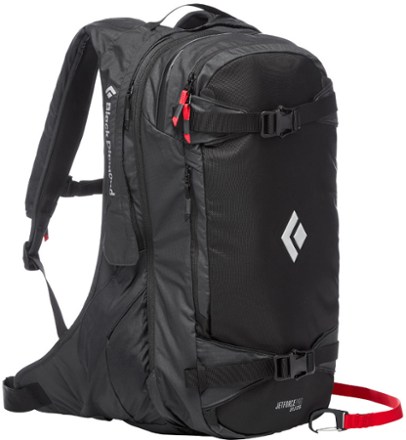
- Black DiamondJetforce Pro 35 L Avalanche Airbag Pack$1,199.93Save 20%compared to $1,499.95(49)49 reviews with an average rating of 3.9 out of 5 stars
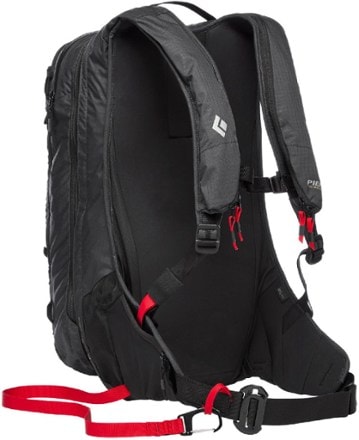
- Black DiamondJetForce Pro Split 25L Avalanche Airbag Pack$1,499.95(14)14 reviews with an average rating of 3.4 out of 5 stars
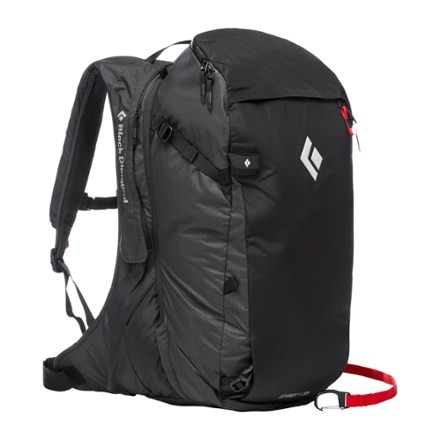
- Black DiamondJetForce Pro 25 L Avalanche Airbag Pack$1,199.93Save 20%compared to $1,499.95(46)46 reviews with an average rating of 4.0 out of 5 stars
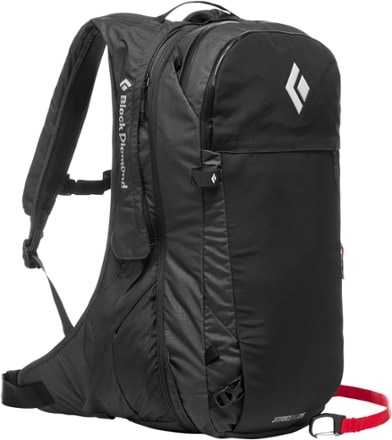
- Black DiamondJetForce Pro 10 L Avalanche Airbag Pack$996.93Save 33%compared to $1,499.95(5)5 reviews with an average rating of 3.4 out of 5 stars
Related Expert Advice articles
Read full article: The 6 Best Climbing Shoes of 2025: Staff Picks
What type of skiing will you be doing?
- Downhill ski poles: Poles for alpine skiing help with balance and timing turns. Many are fixed length; some are adjustable.
- Backcountry ski poles: Opt for adjustable poles so you can lengthen poles when going uphill and shorten them when descending.
- Cross-country ski poles: Longer and lighter, designed to help you glide forward efficiently. Poles for skate skiing are longer than for classic skiing.
Find the right length
When looking for proper fit, consult the brand's sizing chart. For downhill skis, wear your boots and turn the poles upside down. Grip the poles just below the basket. Your elbow should form a 90° angle. If the angle is less than 90°, try a shorter pole. If the angle is greater, get a longer pole.
Pole features
- Straps: Wrist straps help retain poles during turns and falls. Some models have detachable straps for quick transitions.
- Baskets prevent poles from sinking into the snow. Choose a standard basket for most conditions, and use a larger basket for powder skiing.
What capacity tent do you need?
- How many are in your group? Tents vary in size from 2- to 8-person.
- Assume a close fit for the number of people your tent is designed to accommodate. If you need more space for dogs and gear, size up.
Choose the seasonality
- 3-season tents are great shelters for most of the year. They have ample mesh for good airflow and can withstand basic downpours.
- 3+- season tents are a little sturdier, and with less mesh, and are warmer than their 3-season cousins.
- 4-season tents are engineered to handle high winds and other severe weather. This can make them stuffy in warm weather.
Decide on key features
- Peak height: Look for a taller peak height if you want to stand up in the tent.
- Floor length: Can you fully lie down if you’re tall? Will it fit your cot or air mattress?
- Doors: If multiple people are sleeping in the tent, you might want more than one door for more convenient access.
Match the harness type to your climbing style
- Sport or indoor climbing harnesses tend to be stripped down for fast travel and feature minimal gear loops.
- Trad climbing harnesses include more gear loops since climbers place their own protection. Comfort and padding are key, as you may spend hours on a route or hanging in your harness.
- Mountaineering harnesses are designed for long approaches and all-season versatility.
Key features:
- Adjustable leg loops: Fit different body types and clothing layers.
- Gear loops: Range from two to five loops to rack your gear.
- Waistbelt padding: Thicker padding or broader surface area helps distributes pressure, adding comfort.
Women-specific harnesses
Many climbing harnesses are available in unisex models, but some are designed to better fit a women's body. Pick a women-specific harness if it better matches your body type.These harnesses typically feature a higher rise, a larger leg-to-waist ratio and a shaped waistbelt.