Skip to search results
loaded 3 results
Black Diamond Long Sleeve Snowsports
(3 products)Products (3)
Filter
- Snowboarding (3)
- Snow Clothing (3)
- Base Layers (3)
- Skiing (3)
- Ski Clothing (3)
- Downhill Skiing (3)
- Deals (3)
- Thumbholes (2)
- Quick Drying (2)
- Moisture Wicking (2)
- Merino Wool (2)
- New Arrivals (2)
- Top Rated (1)
- Multisport (3)
- $50.00 to $99.99 (2)
- $100.00 to $199.99 (1)
- Regular (3)
- Lightweight (3)
- 30 (1)
- Polartec (1)
- Polartec Power Grid (1)
- Coefficient (1)
- Long Sleeve (3)
- T-shirt (1)
- Partial-zip (2)
Sort: Best Match
View:
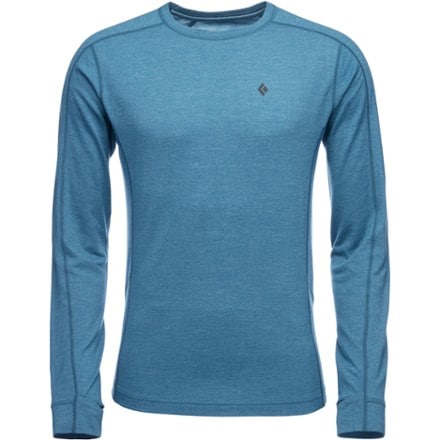
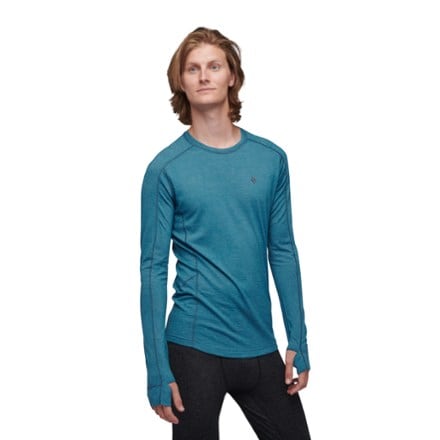
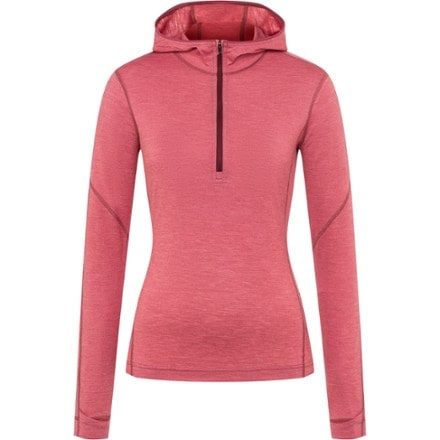
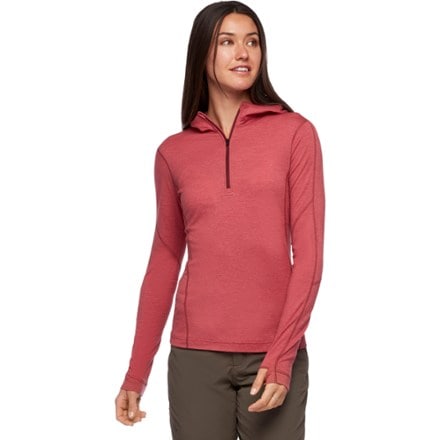
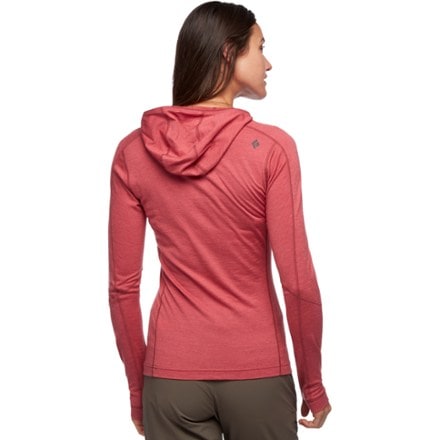
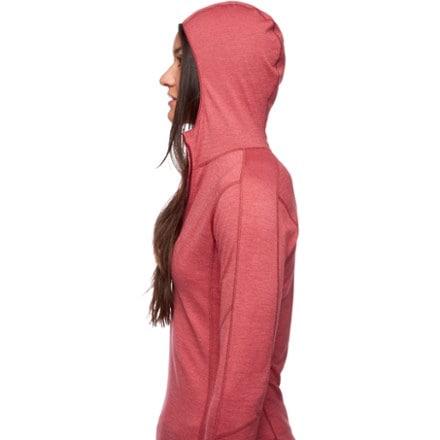
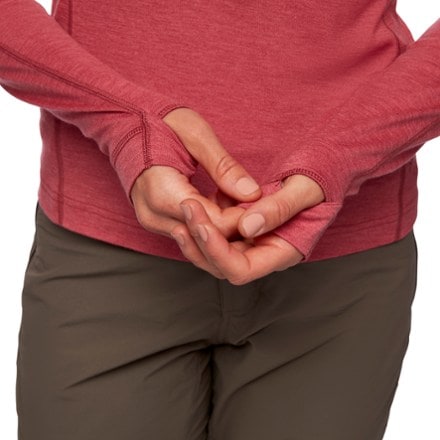
- Black DiamondSolution 150 Quarter-Zip Hoody - Women'sNew arrival$99.73Save 31%compared to $145.00(0)0 reviewsREI OUTLET
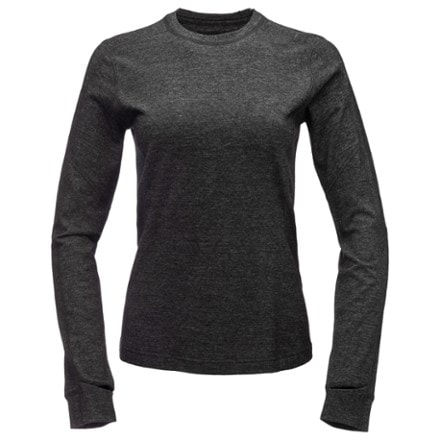
- Black DiamondSolution 150 Merino Base Layer Crew Top - Women'sTop Rated$99.73Save 26%compared to $135.00(23)23 reviews with an average rating of 4.9 out of 5 starsREI OUTLET
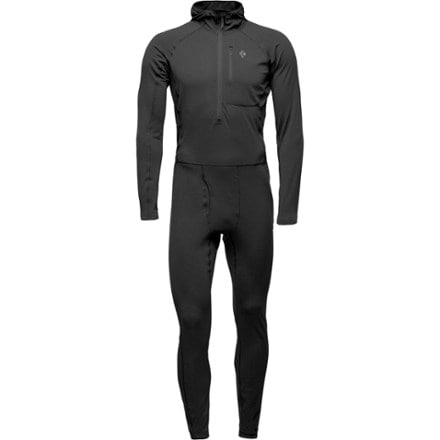
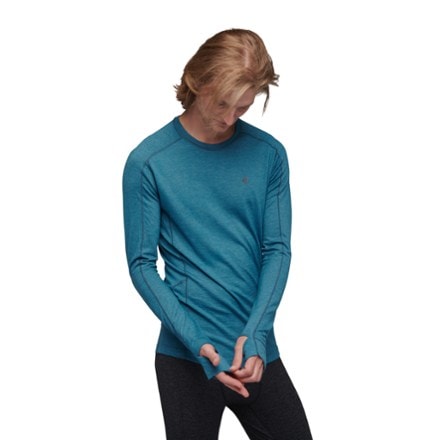
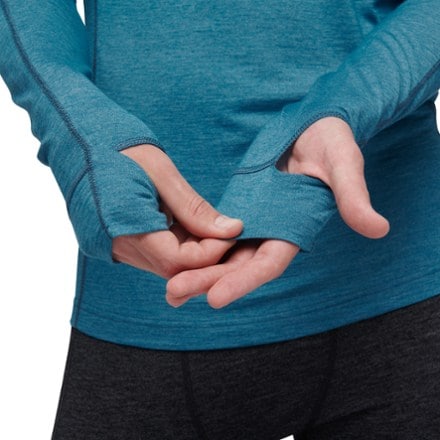
- Black DiamondCoefficient LT One Piece Base Layer - Men'sNew arrival$149.73Save 31%compared to $219.00(0)0 reviewsREI OUTLET
Sort: Best Match

Related Expert Advice articles
Discover our list of the 6 best gaiters at the co-op, including over-the-ankle options and knee-high options for hiking, running and mountaineering.
What type of skiing will you be doing?
- Downhill skiing: Helps balance and time turns; most are fixed length
- Backcountry skiing: Adjustable poles let you lengthen for uphill travel, shorten for descents
- Cross-country skiing: Longer and lighter, designed to help you glide forward efficiently. Poles for skate skiing are longer than for classic skiing.
Sizing downhill poles:
- Stand in your ski boots on a level floor
- Grip the poles just below the basket
- Your elbow should form a 90° angle
- If the angle is less than 90°, try a shorter pole
- If the angle is greater, get a longer pole.
Basket type:
- Standard: for most conditions
- Powder: for deep snow
- Powder and standard: Interchangeable baskets
Consider your main activity:
- Hiking: Compatible with hydration reservoirs; some have straps or loops to attach trekking poles or other gear.
- Running: Designed to limit bounce; compatible with water bottles or hydration reservoirs.
- Climbing: Slim profile with abrasion-resistant reinforcements.
- Traveling: Has compartments for easy organization; many meet carry-on size requirements.
How much gear will you carry?
- 20L or less: Ideal for short runs, day hikes or quick outings.
- 21–35L: The sweet spot for hiking and travel.
- 36–50L: Best for extended trips or adventures requiring more gear or clothing.
Find the right fit:
- Daypacks are available in a range of sizes.
- Check your torso length and waist against the brand's size chart for the best fit.
- Many packs feature adjustable torso lengths to fine-tune your fit.
What is an avalanche transceiver?
- If you recreate in snowy backcountry terrain, an avalanche transceiver is an essential safety device—along with a probe and shovel
- Transceivers help you locate someone buried in an avalanche and it helps rescuers find you if you’re buried
What features should I look for?
- Analog or digital: Most modern transceivers are digital; some are both digital and analog
- Multiple burials: Allows searchers to detect more than one buried person; most offer this feature
- Marking function: Lets a searcher to mark the location of a buried person so they can search for another one
- Display screen: Displays direction and distance to a buried person
- Range: Listed in meters (typically 40-70m), the circular range at which one transceiver can detect another
Read full article: How to Choose and Use an Avalanche Transceiver
Snowshoeing is an easy, fun and relatively low-risk winter activity—as long as you follow a few basic guidelines about avoiding avalanches.
This overview of topics covered in an avalanche rescue class introduces essential skills such as searching, probing and digging for a buried victim.