Skip to search results
loaded 4 results
Single-pull Lace Watersports
(4 products)Products (4)
Filter
- Deals (1)
- Watersports (4)
- Multisport (2)
- Hiking (2)
- $50.00 to $99.99 (1)
- $100.00 to $199.99 (3)
- Buckle (5)
- Bungee Lace (36)
- Lace-up (15)
- Single-pull Lace (4)
- Slip-on (56)
- Strap (69)
- Closed Toe (2)
- 1 to 1.49 (3)
- 1.50 to 2.99 (1)
- Hopara (2)
- Regular (4)
- Ankle (2)
Sort: Best Match
View:
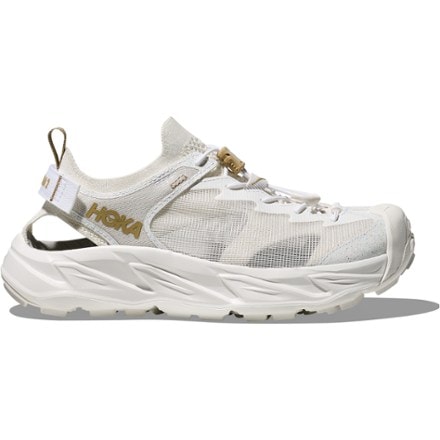
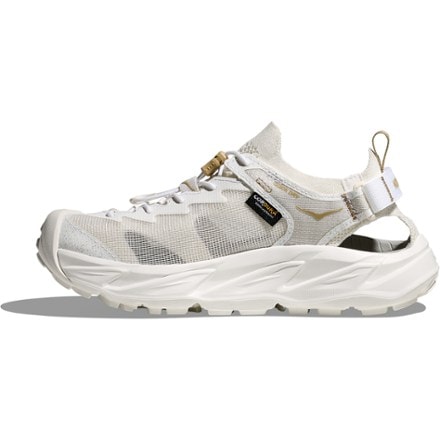
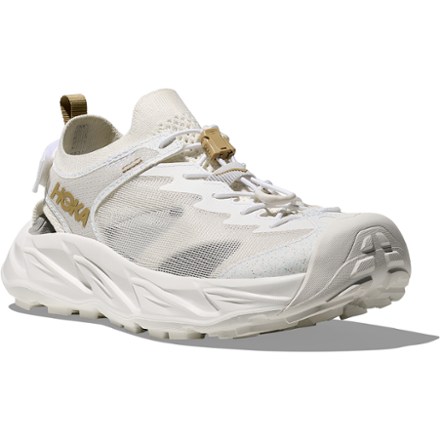
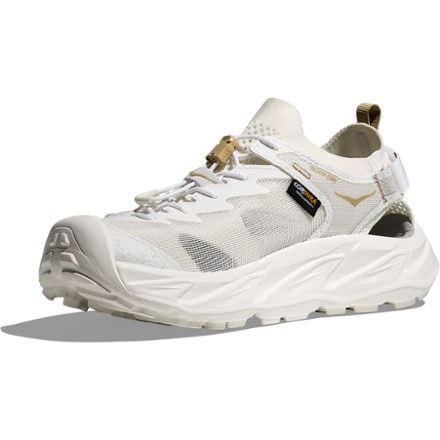
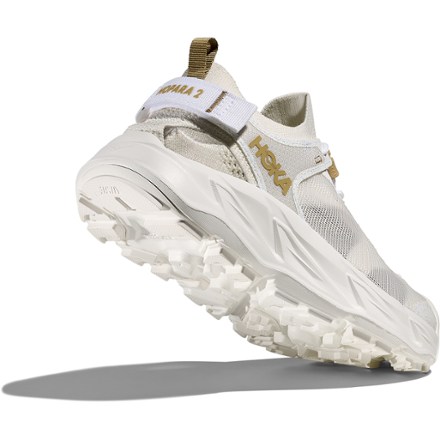
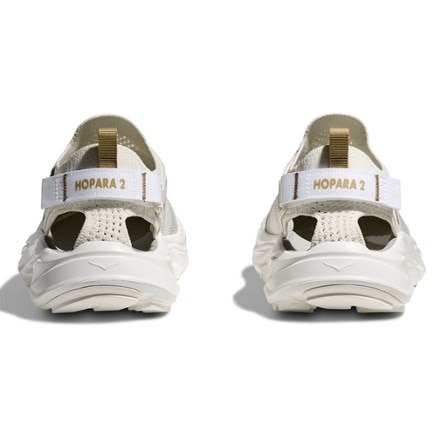
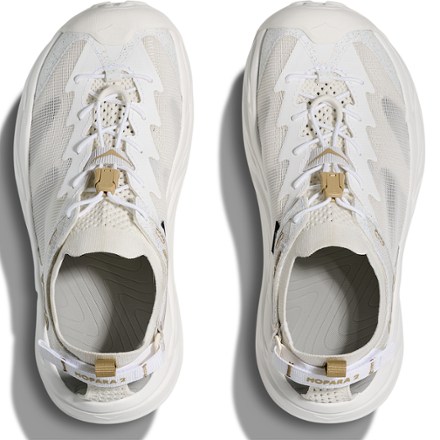
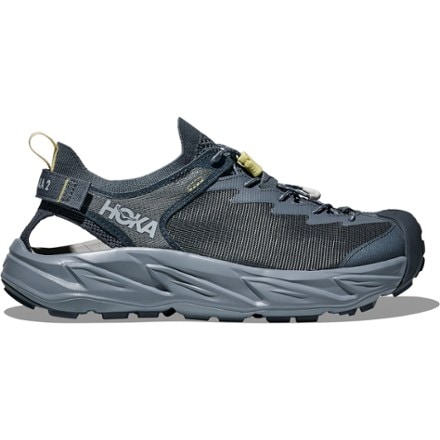
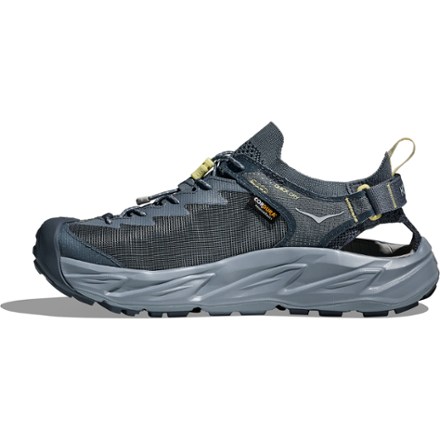
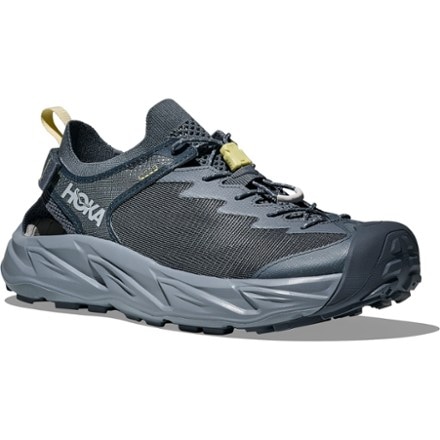
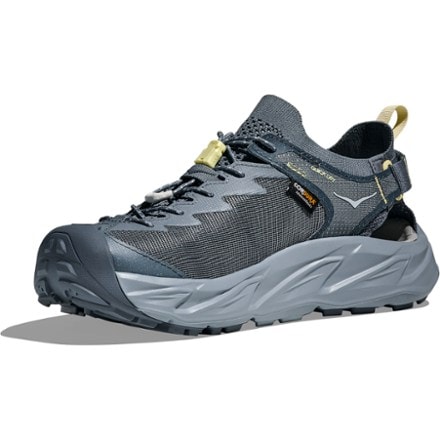
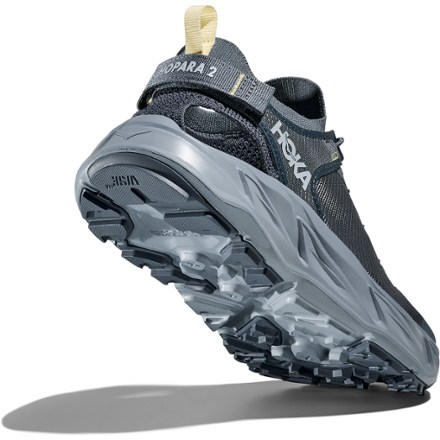
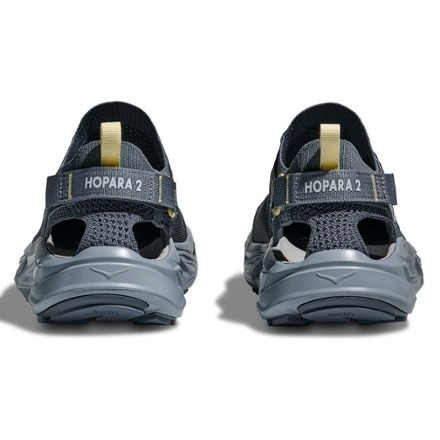
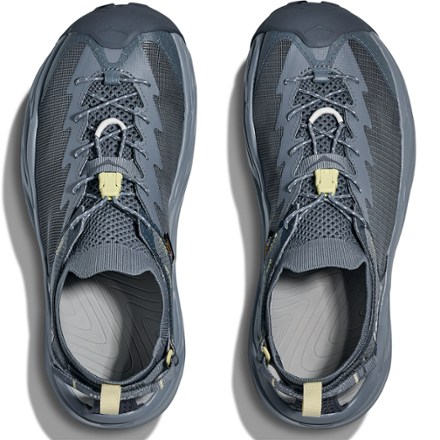
- HOKAHopara 2 Sandals - Women's$140.00(19)19 reviews with an average rating of 4.0 out of 5 stars
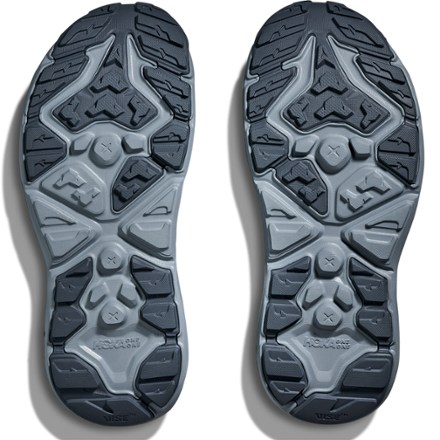
- HOKAHopara 2 Sandals - Men's$140.00(27)27 reviews with an average rating of 3.5 out of 5 stars
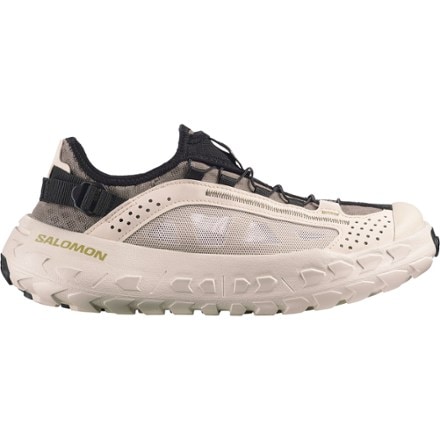
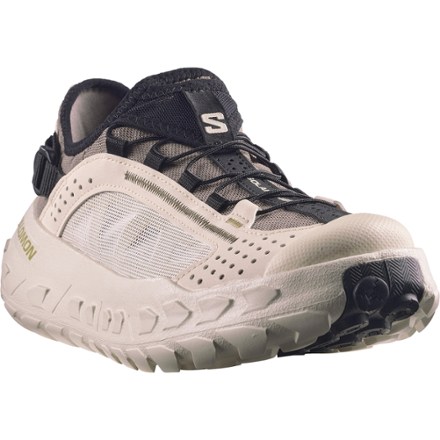
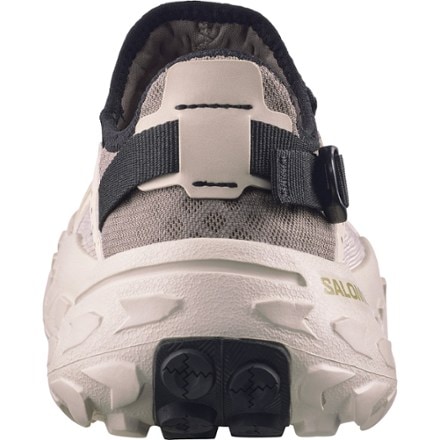
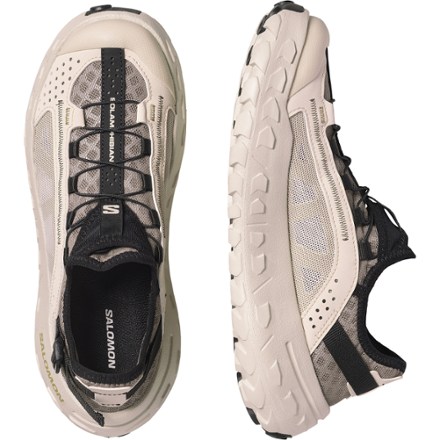
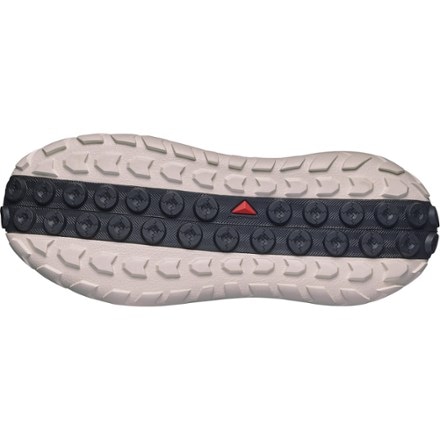
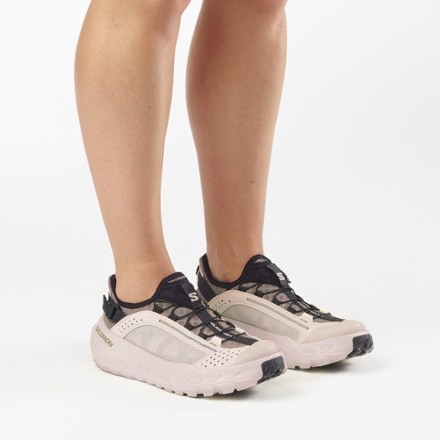
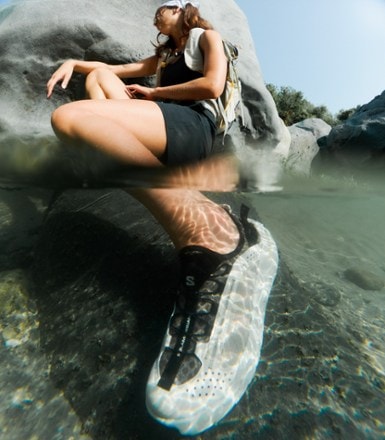
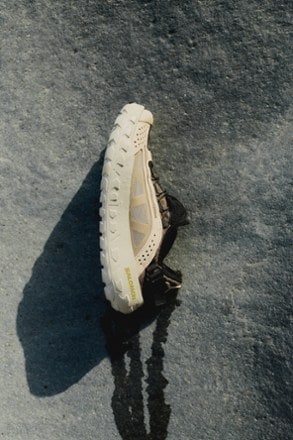
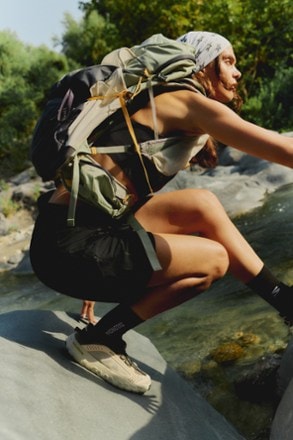
- SalomonSolamphibian Water Shoes - Women's$96.93Save 25%compared to $130.00(8)8 reviews with an average rating of 4.1 out of 5 stars
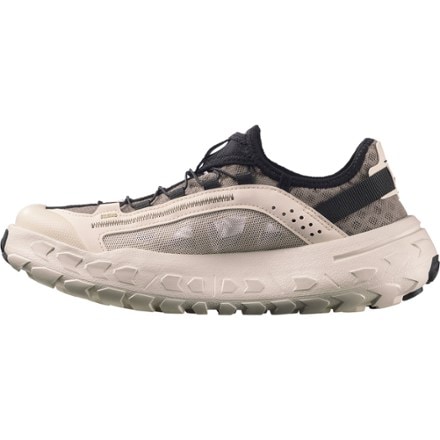
- SalomonTechamphibian 5 Water Shoes - Women's$110.00(106)106 reviews with an average rating of 4.3 out of 5 stars
 LoremLorem
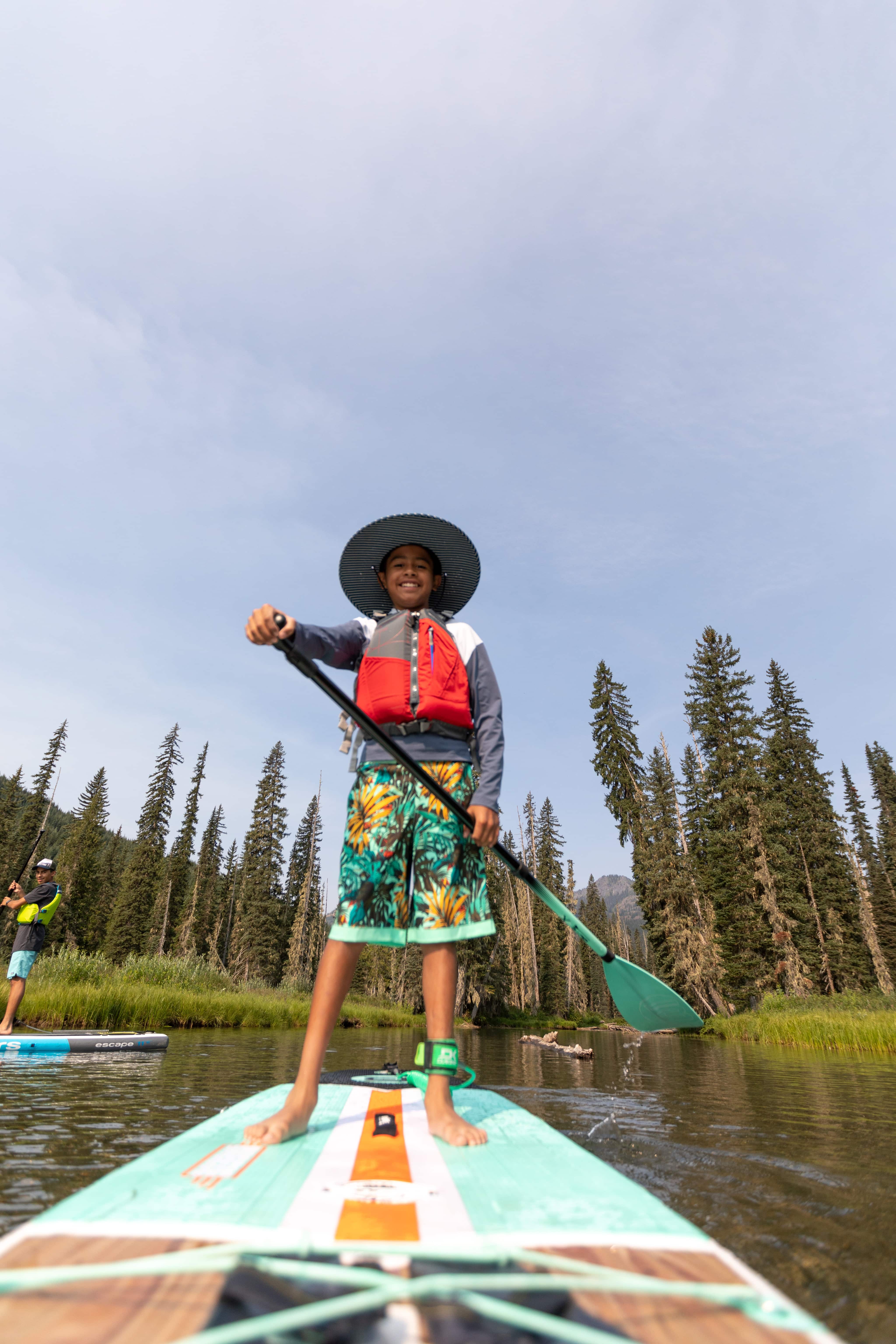
Savings to get you out on the water
Save 15% on full-price paddles and PFDs with your kayak, stand up paddle board or packraft purchase.
Learn more



Sort: Best Match
Related Expert Advice articles
Standard or inflatable personal flotation device (PFD)?
- Standard: Low-maintenance, always buoyant, great for various sports, often with pockets. Can feel bulky, restrictive and hot while paddling.
- Inflatable: Slimmer profile, comfortable, but must be inflated to work and requires more maintenance.
- Hybrid: Balances features of both, but heftier price.
What conditions will you encounter?
- Level 50: For competent swimmers and high-mobility activities (kayaking, paddle boarding), where quick rescue is expected.
- Level 70: For calm, inland waters where fast rescue is likely.
- Level 100: For rough or remote waters or offshore where rescue may lag.
Finding the right fit
- Try on PFDs over paddling clothes for the best fit.
- Mimic paddling motions.
- Test with your seat to see if it's comfortable. Kayakers may prefer a shorter PFD.
- If possible, test your PFD in a pool or shallow water; it shouldn't ride up while floating.
Paddle length
- The wider your kayak, the longer your paddle needs to be
- Your height is also a factor, especially for a narrower boat; taller paddlers need longer paddles
Shaft material
- Lightweight materials improve performance but add to the price
- Carbon fiber is the lightest and most expensive compared with composite
Paddle style
- High-angle paddles have shorter, wider blades for faster, more precise strokes
- Low-angle options are common for recreational kayaking in flatwater
Shaft type
- A bent shaft or feathered blades can also improve a paddle's effectiveness.
- Two-piece or four-piece: A four-piece has shorter sections so it's more portable
Learn basic exercises to strengthen you for stand up paddle boarding (SUP). In this article you’ll also find a simple workout plan and training tips.
Read full article: How to Train for Stand Up Paddle Boarding
Use our printable checklist to make sure you have all your stand up paddle board gear, including safety items.
Packrafting, is an adventurous way to explore the outdoors. Learn what packrafting is and what gear you need.
This article offers tips for storing your canoe properly, including steps to protect it from sun and weather damage, as well as theft.