Wireless Snowsports
(1 product)- Snowboarding (1)
- Snow Clothing (1)
- Snow Headwear (1)
- Skiing (1)
- Ski Helmets (1)
- Downhill Skiing (1)
- Ski Helmets (1)
- Ski Helmets (1)
- Smith (1)
- Deals (1)
- One Size (1)
- Wireless (1)
- Volume Control (1)
- Snowsports (1)
- Black (1)
- $50.00 to $99.99 (1)
- Bluetooth (1)
- 0 to 0.49 (1)
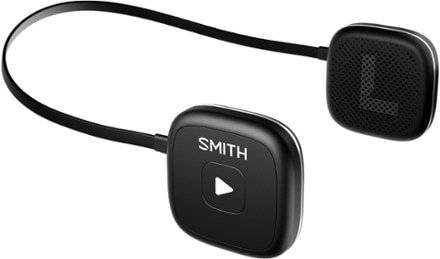
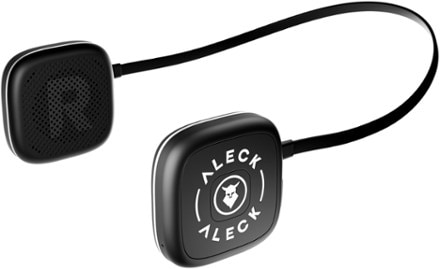
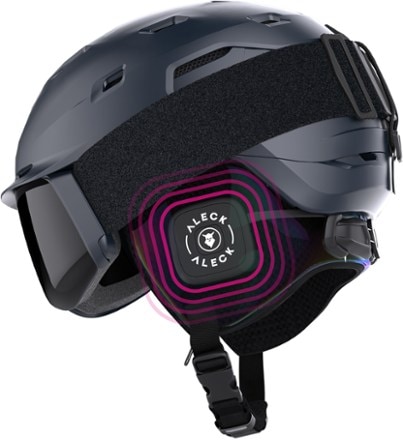
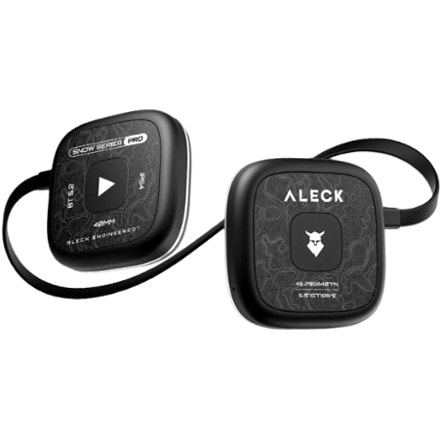
- SmithAleck Nunchucks Wireless Audio$89.93Save 40%compared to $150.00(7)7 reviews with an average rating of 2.9 out of 5 stars
Related Expert Advice articles
Find the right size boot
A boot should fit snugly and hold your foot securely in place, without causing pain or pressure points.
- Measure your feet and consult the brand’s ski boot sizing chart
- If possible, try boots on in person
Consider the last width
Last is the width (mm) of the inside of the boot at the ball of your foot.
Narrower last: Ideal for narrow feet or those who want a tighter, high-performance fit
Wider last: Better for wider feet or those prioritizing comfort
Understand ski boot flex
Softer: Comfortable and forgiving; great for beginners or smaller skiers
Medium: Best for intermediate to advanced skiers; balances comfort and responsiveness
Stiff flex: Ideal for expert skiers; prioritizes performance
Read full article: The 7 Best Ski Helmets of 2025/2026: Tested
What type of skiing will you be doing?
- Downhill skiing: Helps balance and time turns; most are fixed length
- Backcountry skiing: Adjustable poles let you lengthen for uphill travel, shorten for descents
- Cross-country skiing: Longer and lighter, designed to help you glide forward efficiently. Poles for skate skiing are longer than for classic skiing.
Sizing downhill poles:
- Stand in your ski boots on a level floor
- Grip the poles just below the basket
- Your elbow should form a 90° angle
- If the angle is less than 90°, try a shorter pole
- If the angle is greater, get a longer pole.
Basket type:
- Standard: for most conditions
- Powder: for deep snow
- Powder and standard: Interchangeable baskets
Gloves, mittens or a split finger?
- Gloves: Best dexterity for gripping ski poles, adjusting zippers or handling gear; not as warm as mittens
- Mittens: Warmest option but reduced dexterity; ideal when you don't need precise grip
- Split-finger: Balance dexterity and warmth; they keep some fingers together for warmth while allowing some dexterity
Find a good fit
- Aim for about a 1/4 inch of space between fingertips and the tip of the glove
- Check the brand's size chart; most brands use hand length or hand circumference
Features to consider
- Waterproofing: Keeps water out while letting some heat to escape
- Touch-screen compatible: Lets you to operate your smartphone without exposing your skin to the cold
- Glove leash: Secures gloves or mittens to your wrists so you won't drop one
Goggle wipe: Soft material on the thumbs let you wipe your goggles or nose
Read full article: The 9 Best Winter Jackets of 2025: Staff Picks