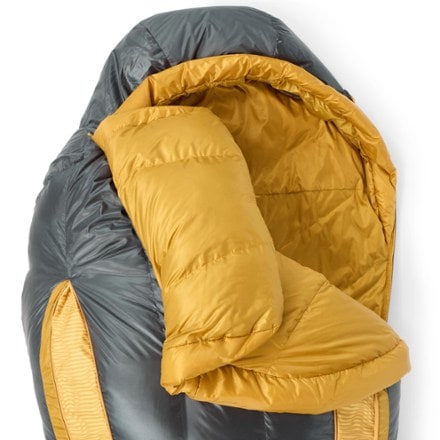
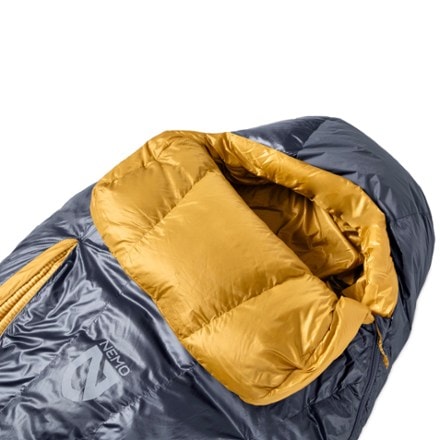
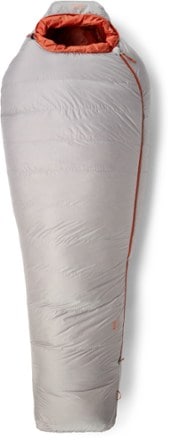
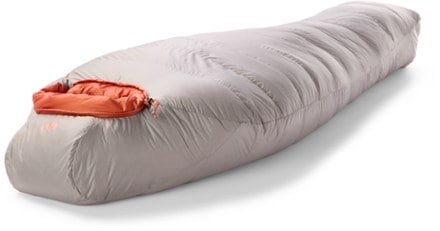
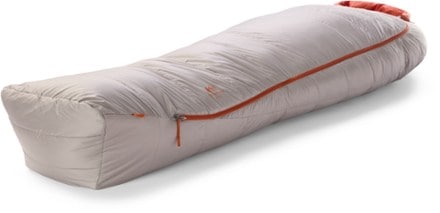
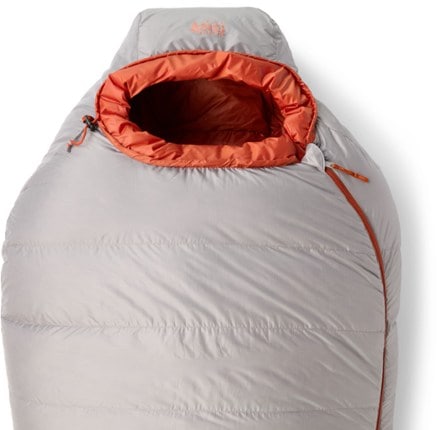
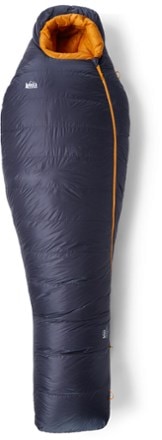
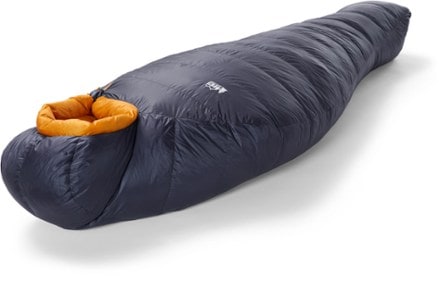
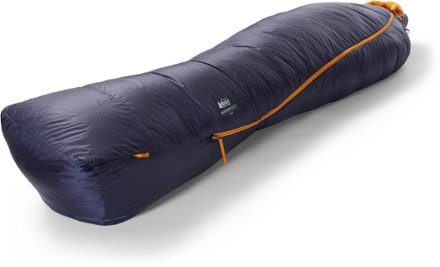
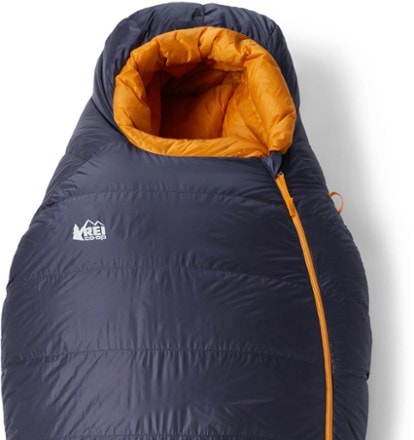
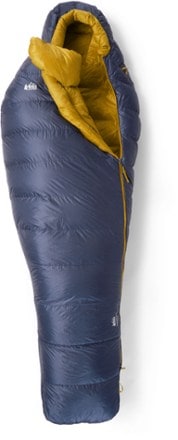
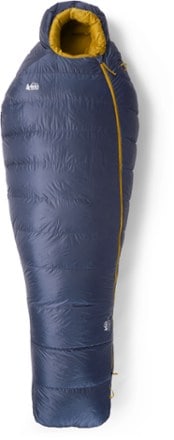
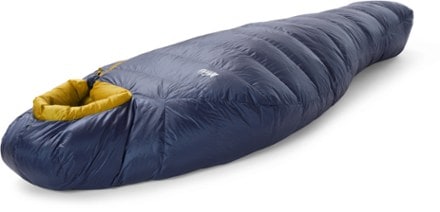
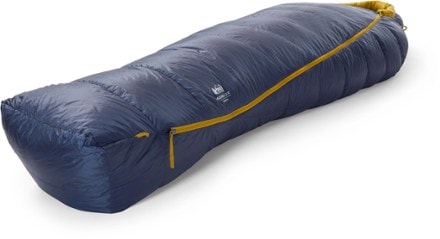
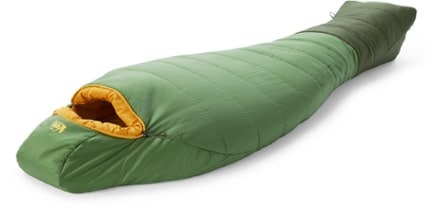
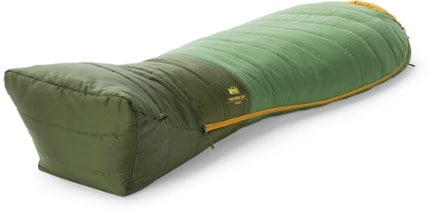
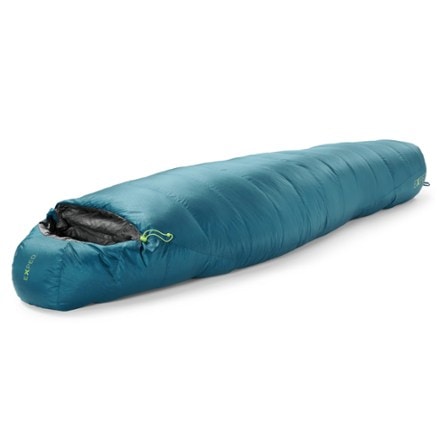
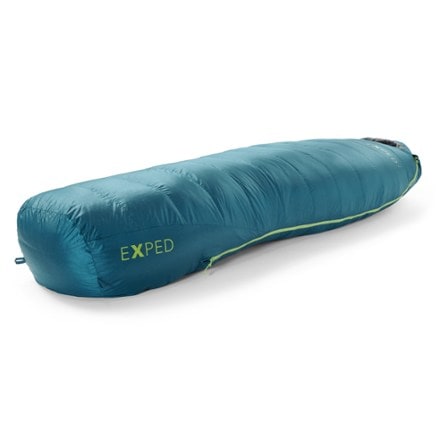
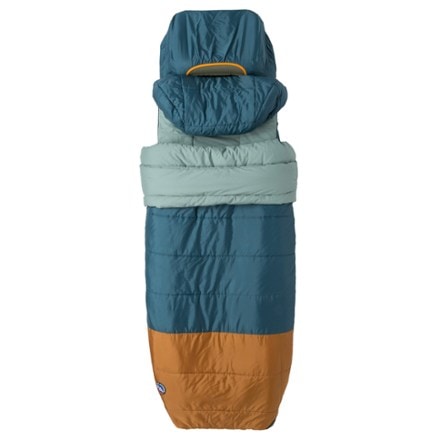
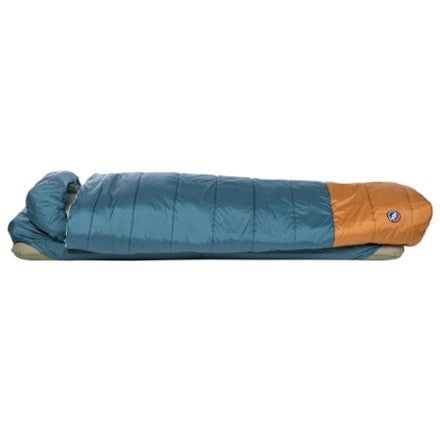
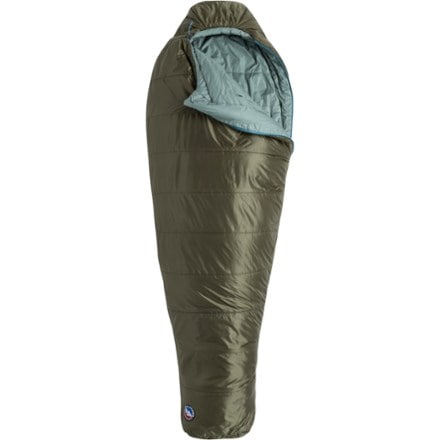
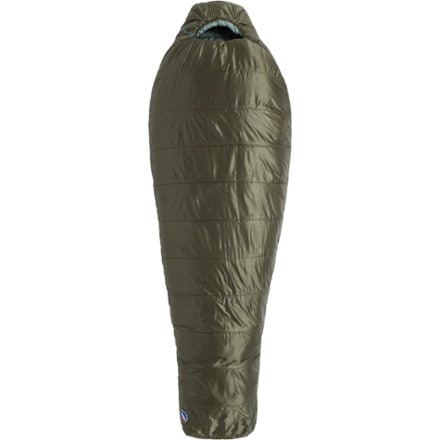
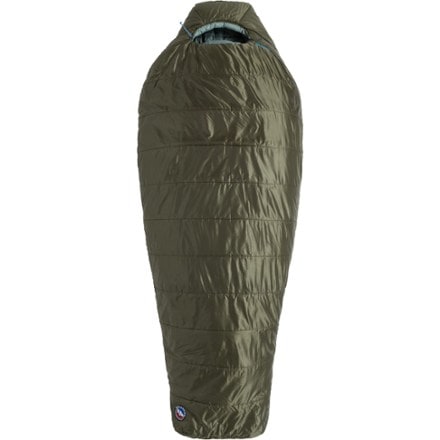
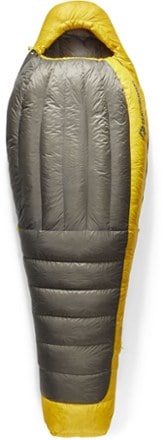
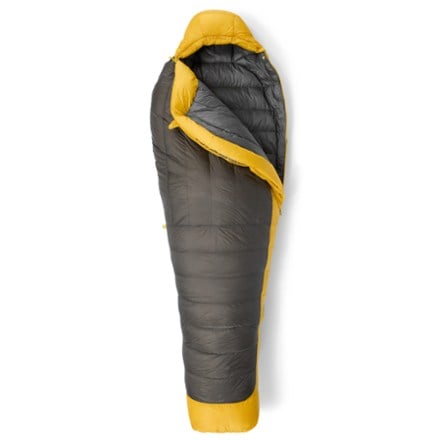
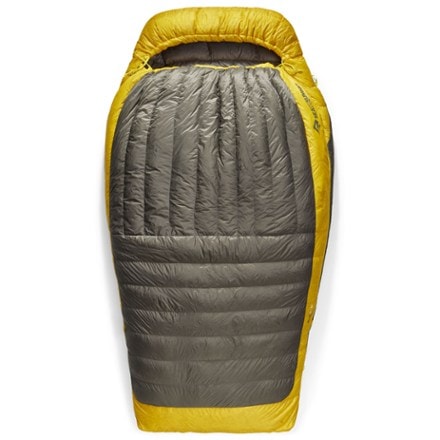
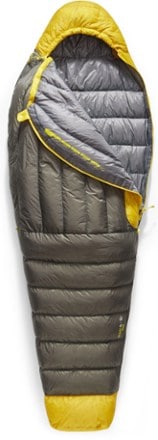
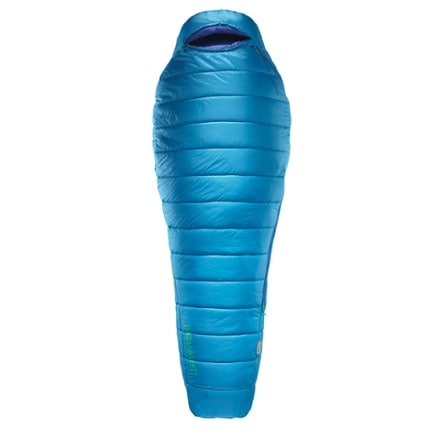
Do I really need a backpacking-specific bag?
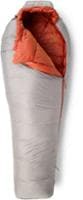
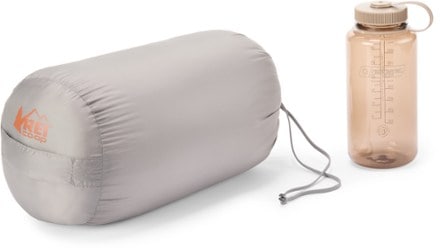
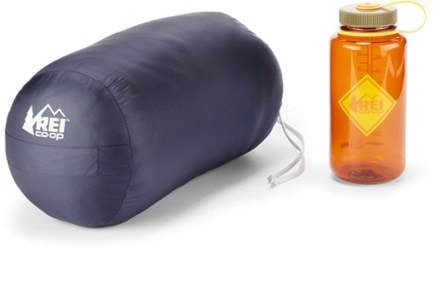
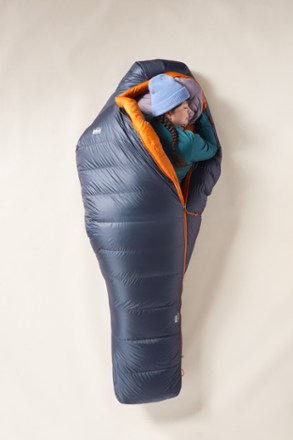
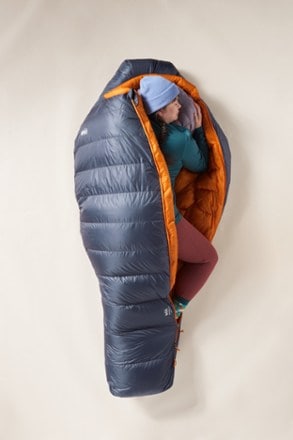
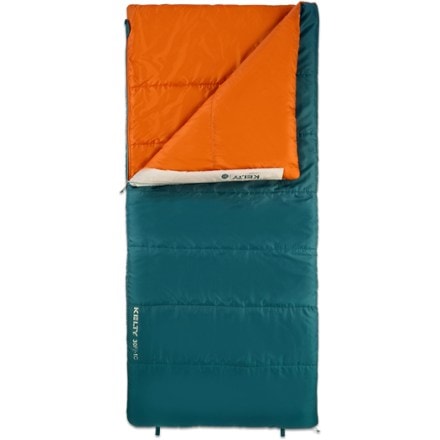
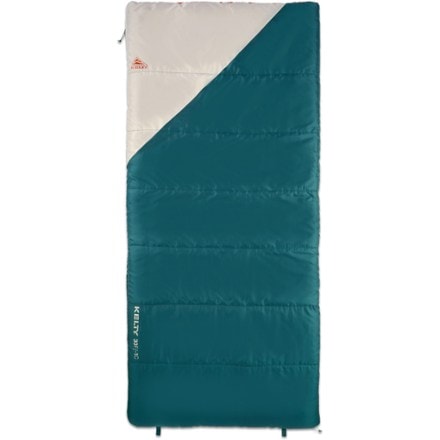
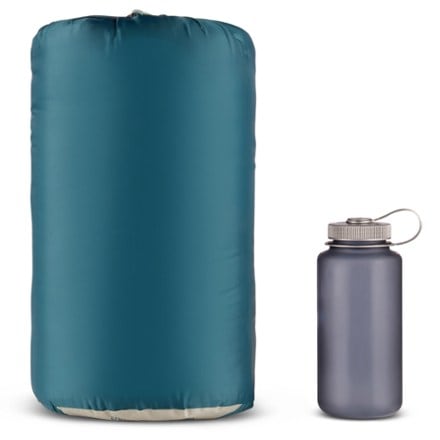
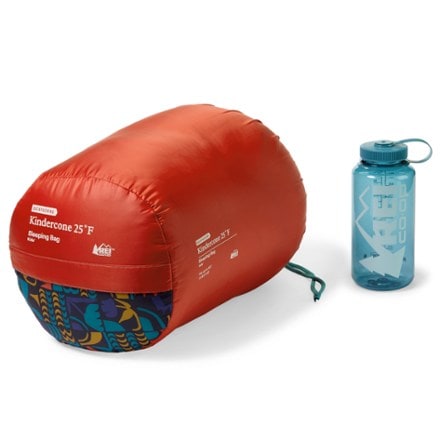
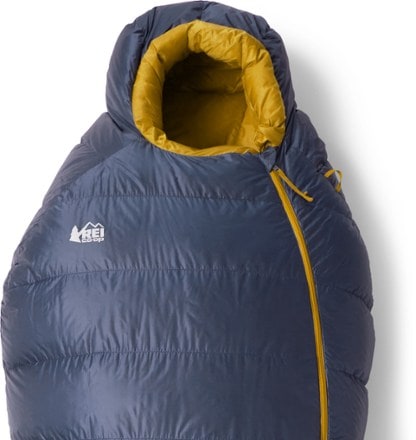
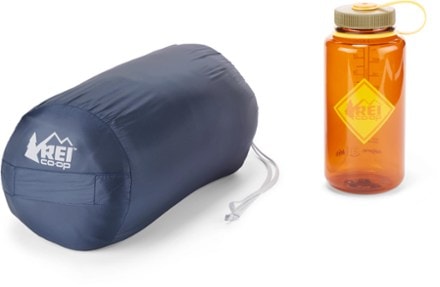
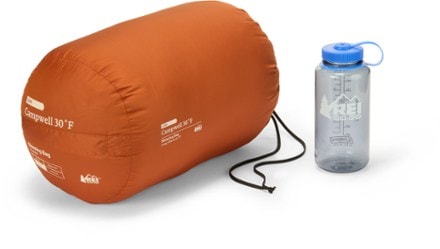
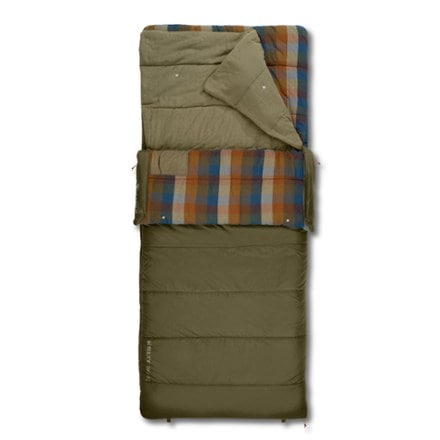
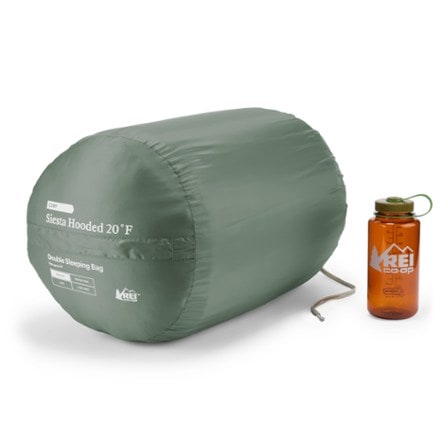
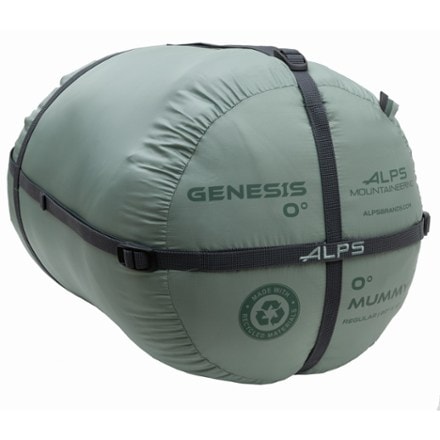
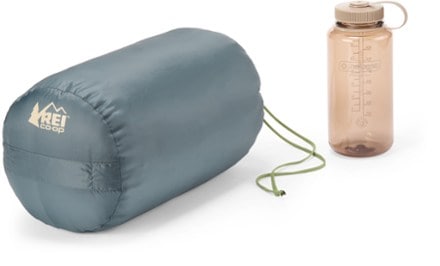
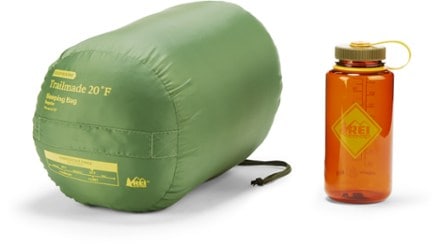
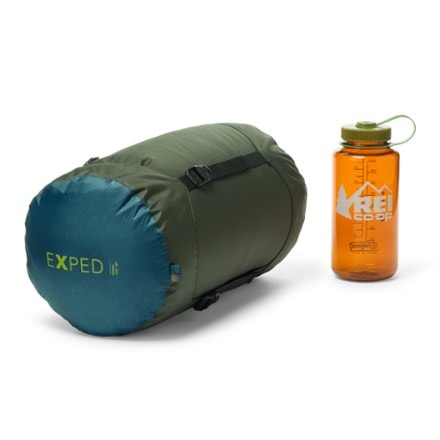
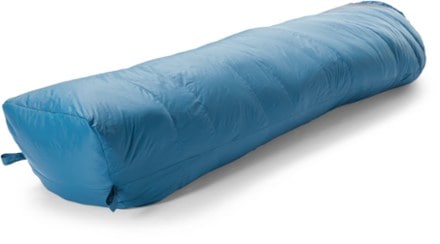
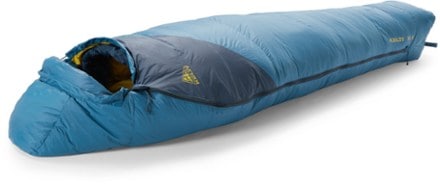
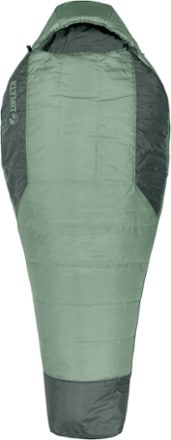
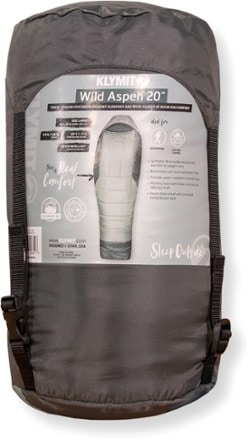
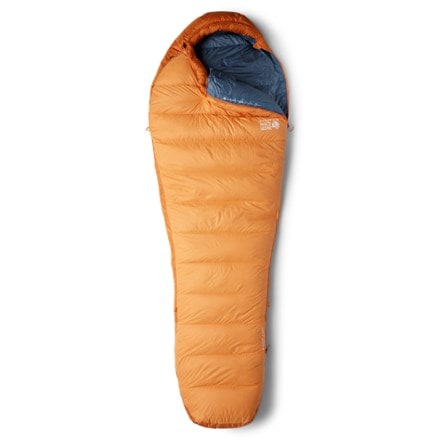
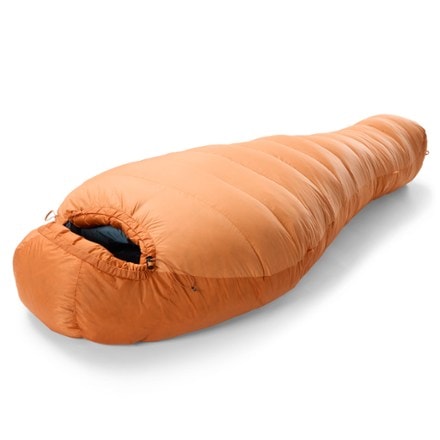
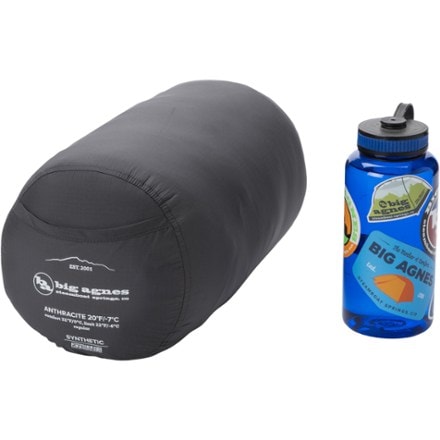
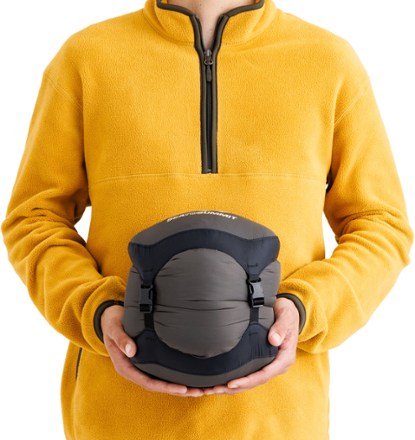
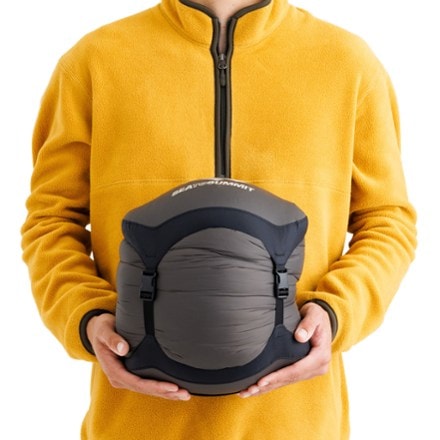
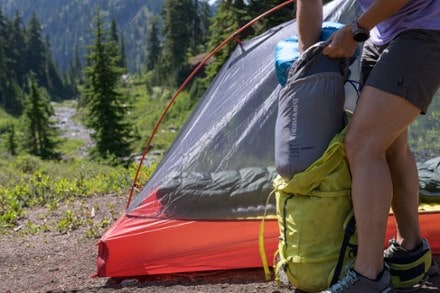
Yes. Compared to camping-specific versions, these bags are lighter, pack down smaller and are more efficient at keeping you warm.
Sleeping bag weight
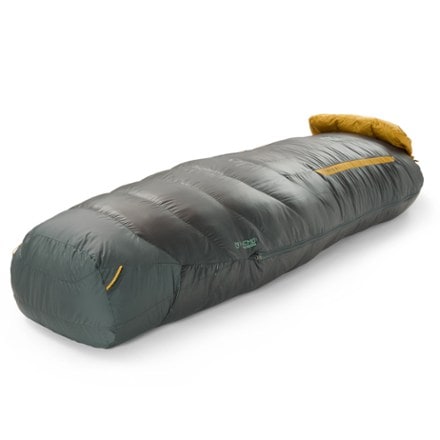
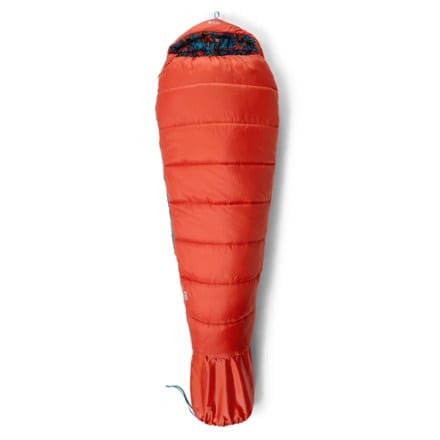
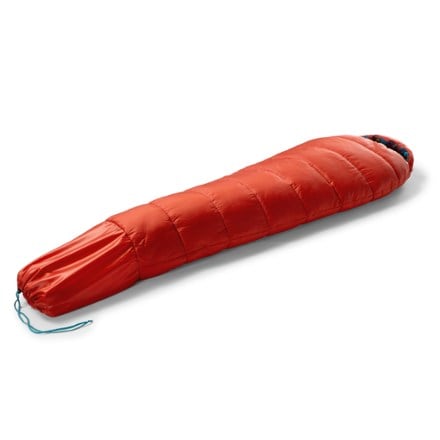
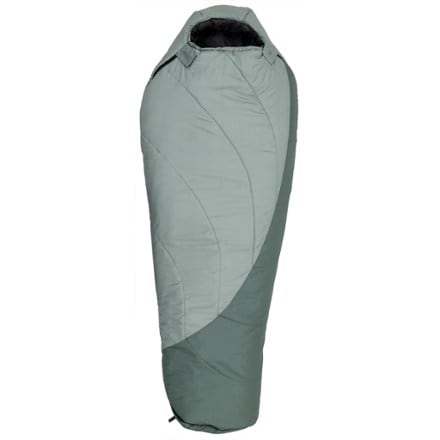
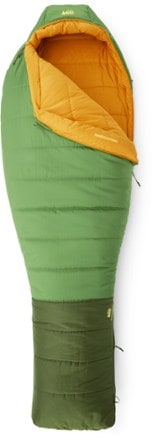
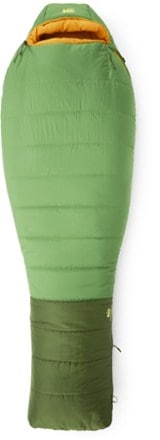
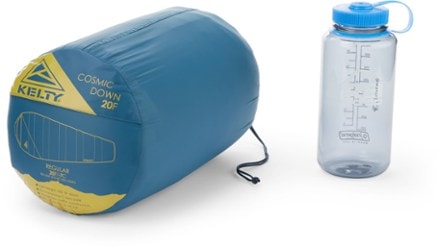
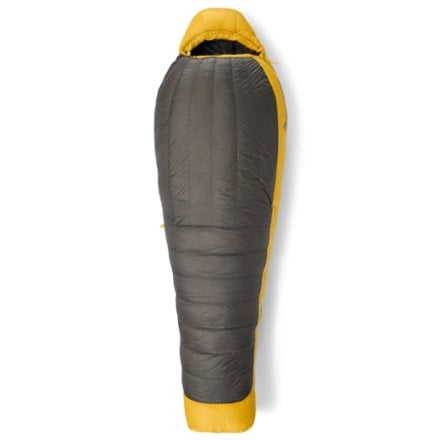
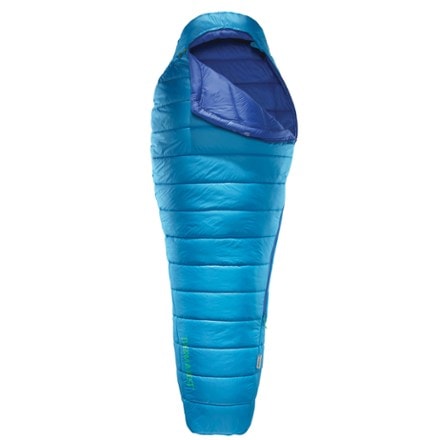
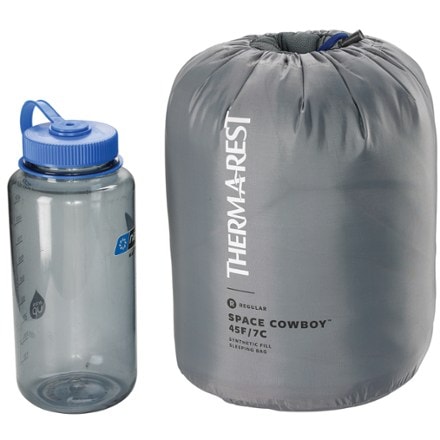
Insulation type and bag shape affect weight the most. Always consider bags of a similar temperature rating when comparing weight.
Sleeping bag fit
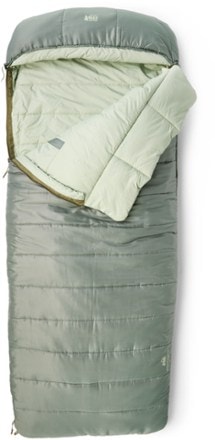
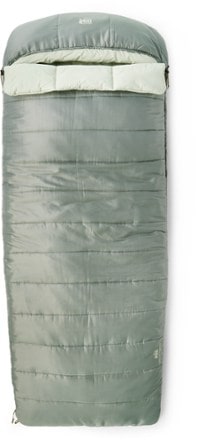
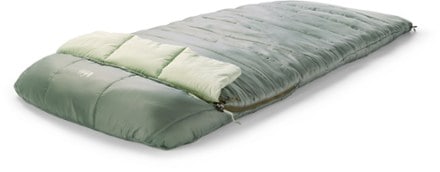
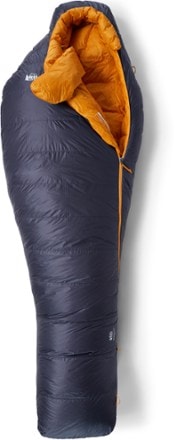
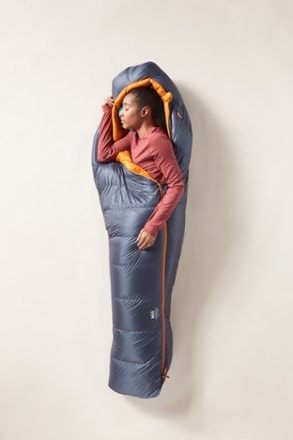
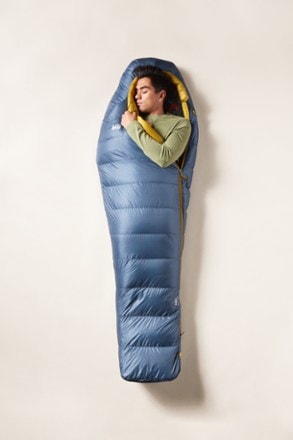
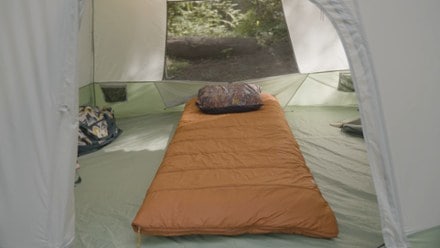
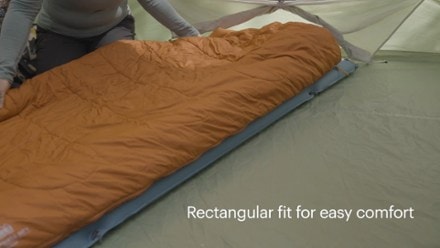
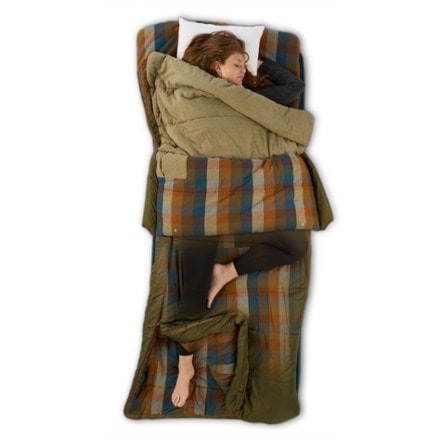
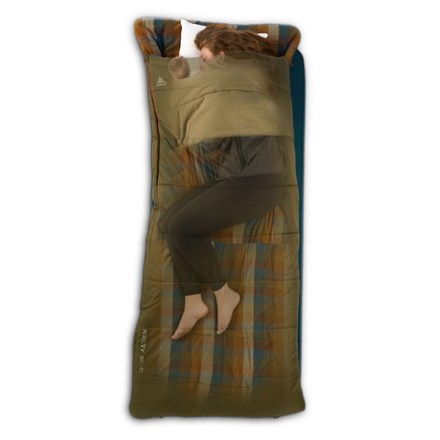
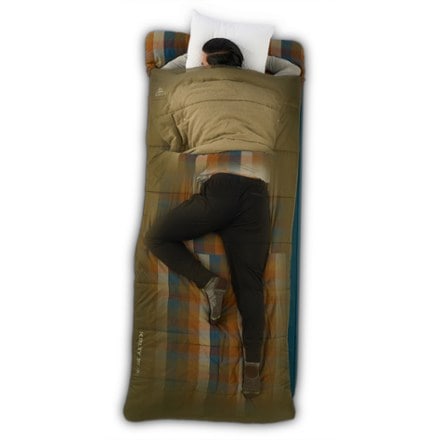
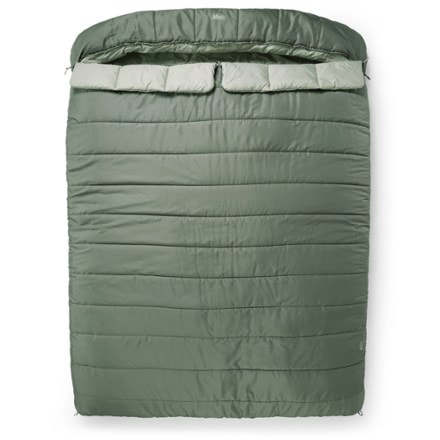
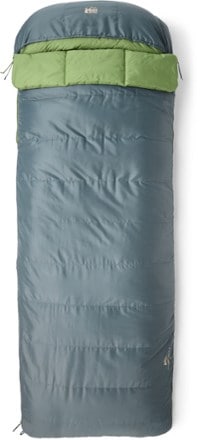
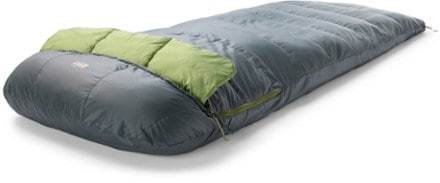
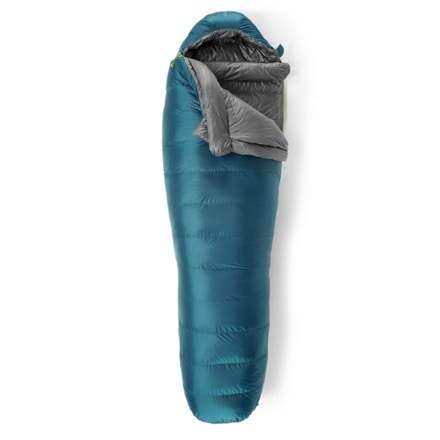
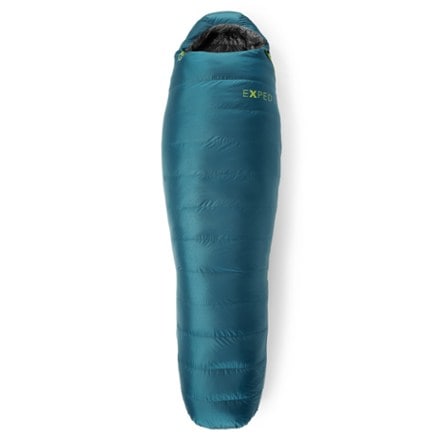
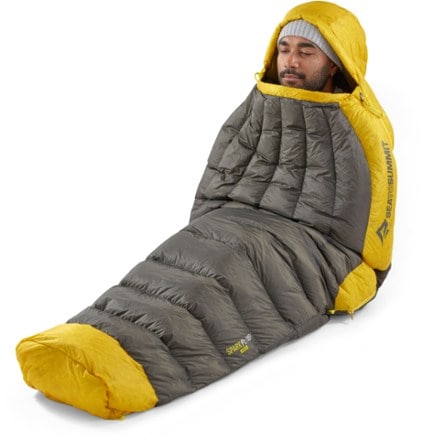
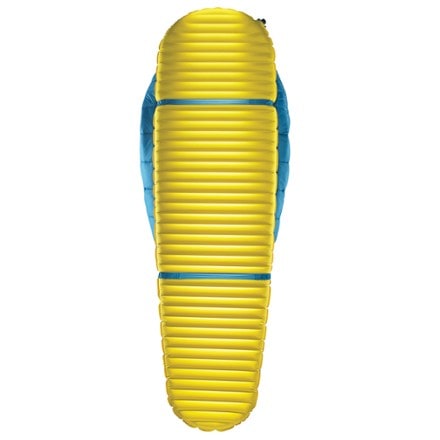
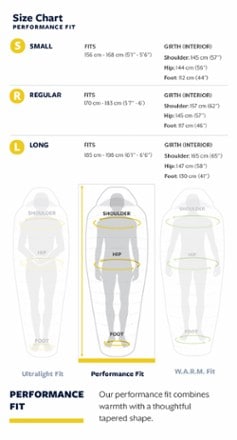
Sleeping bags come in regular, long, wide and short sizes (or a mix of the two, like long-wide). Review the bag's size specs for the best fit.
Sleeping bag features
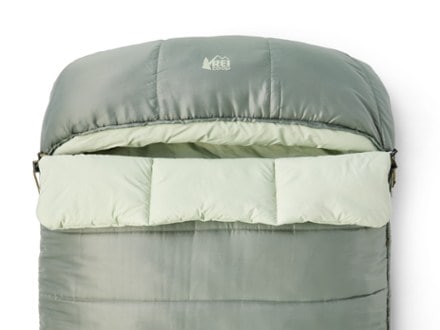
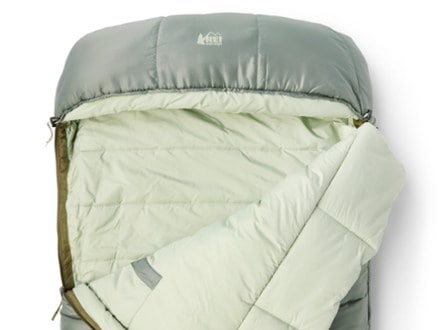
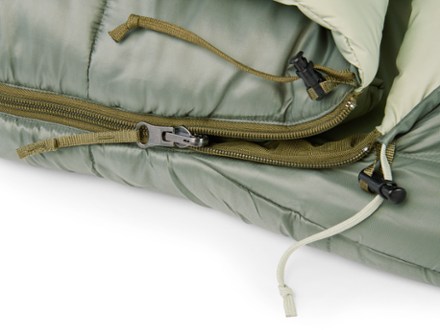
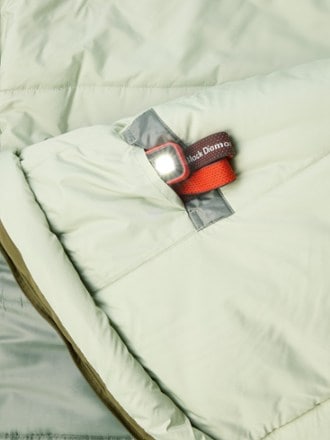
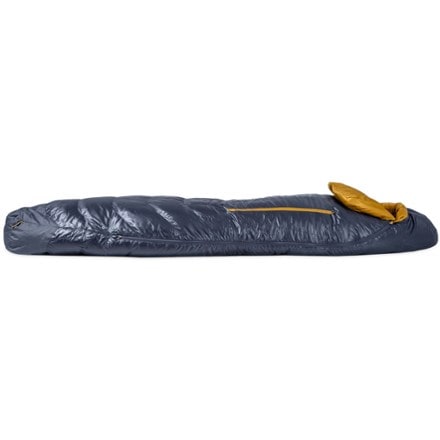
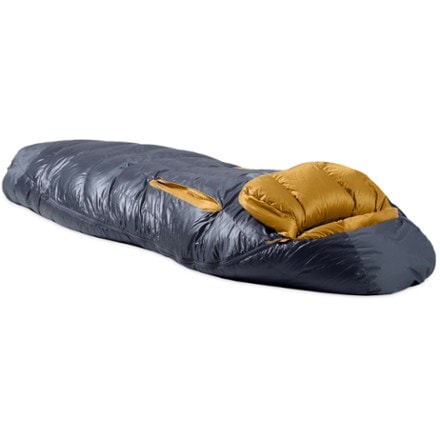
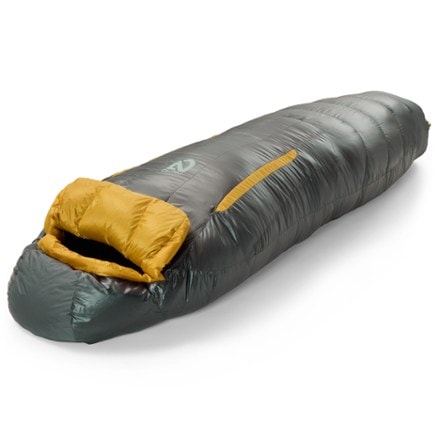
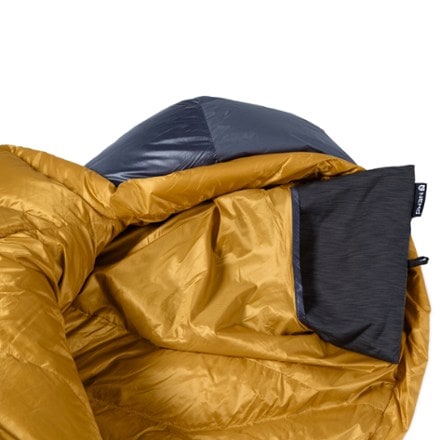
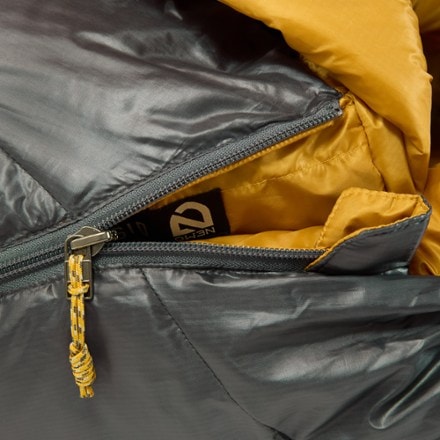
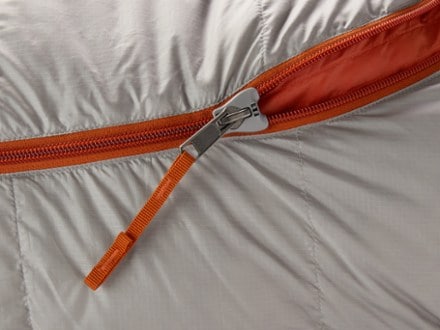
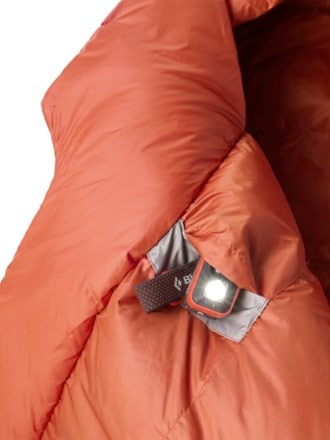
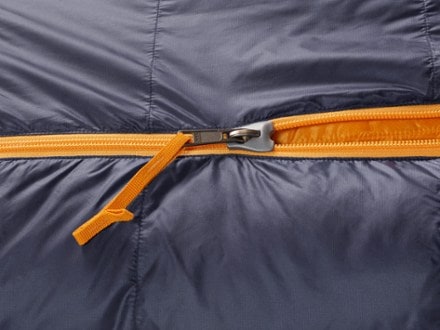
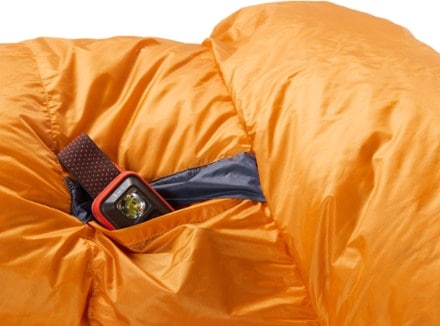
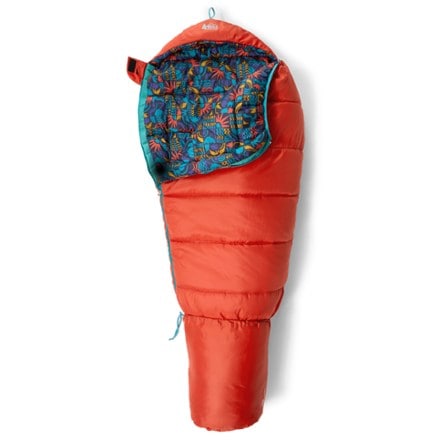
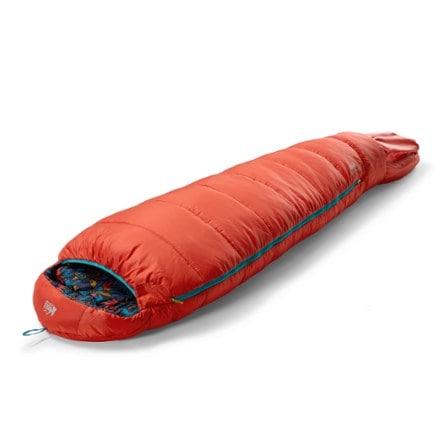
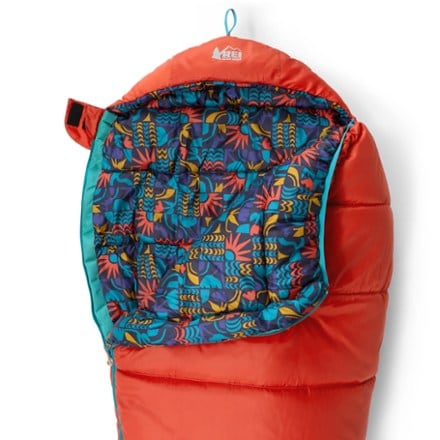
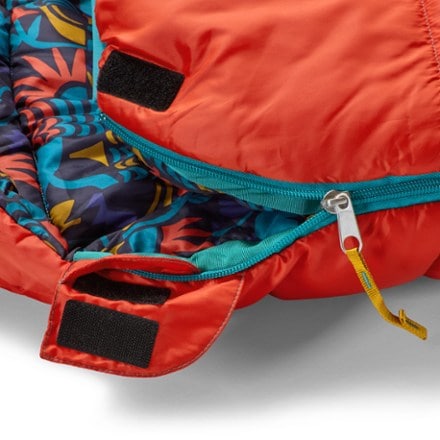
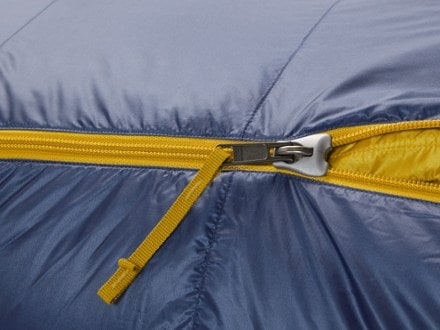
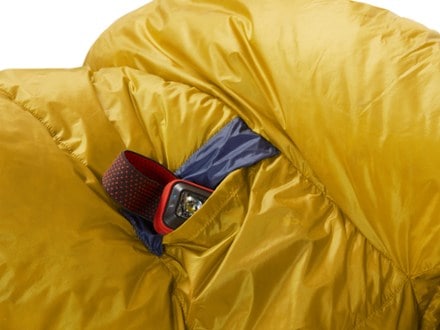
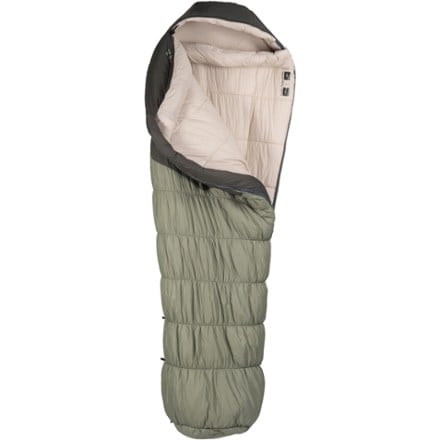
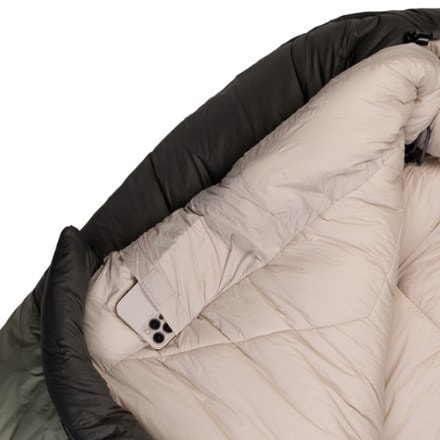
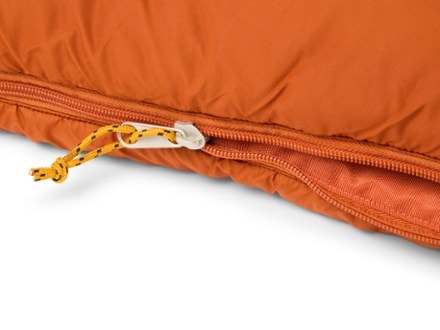
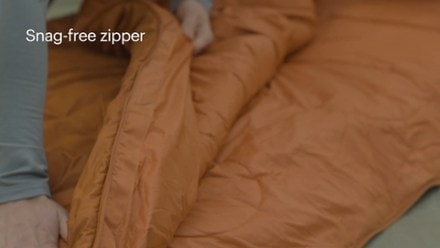
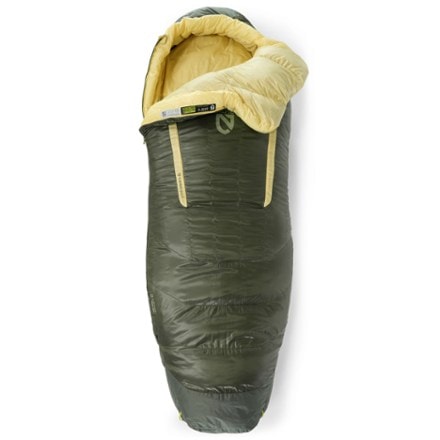
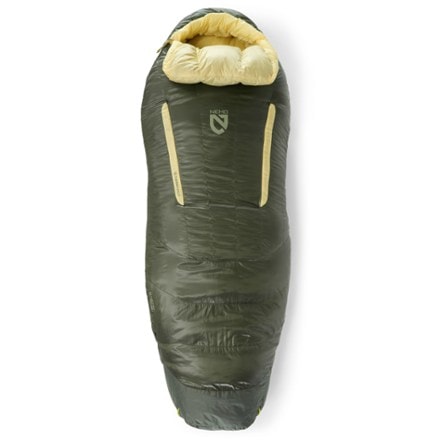
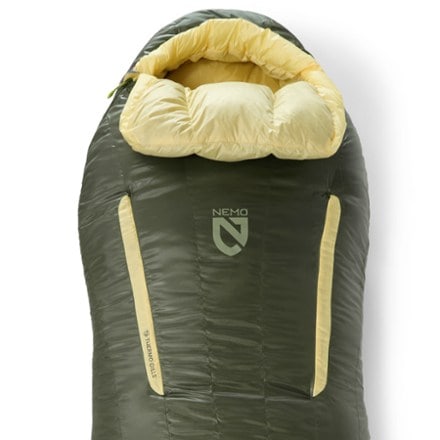
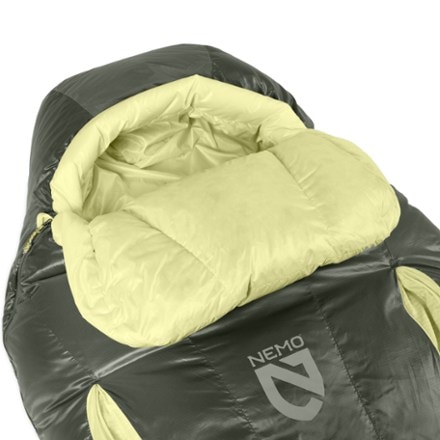
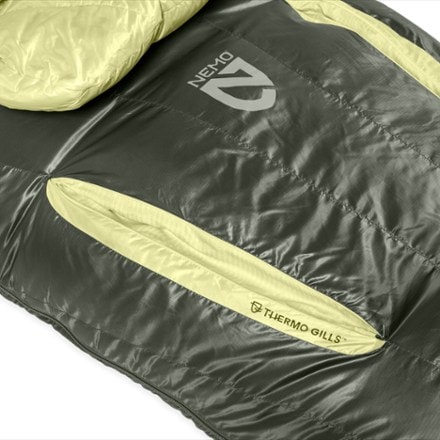
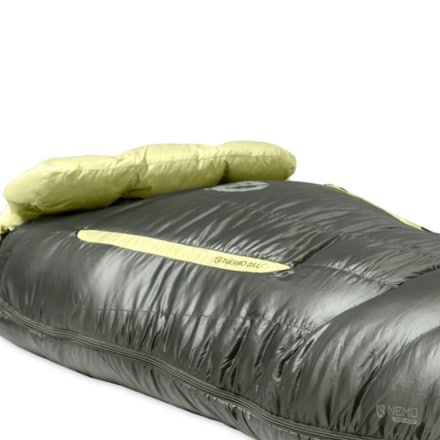
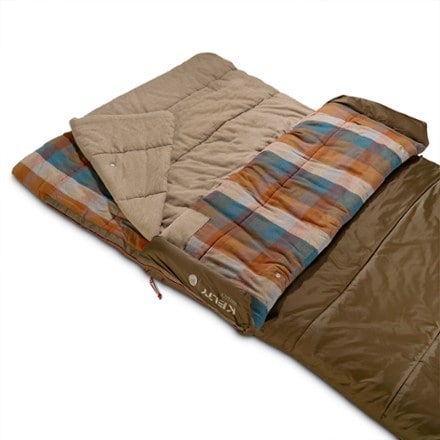
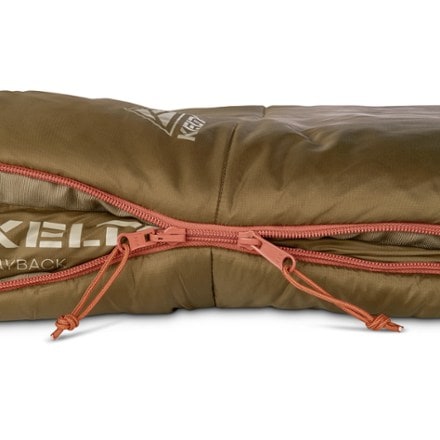
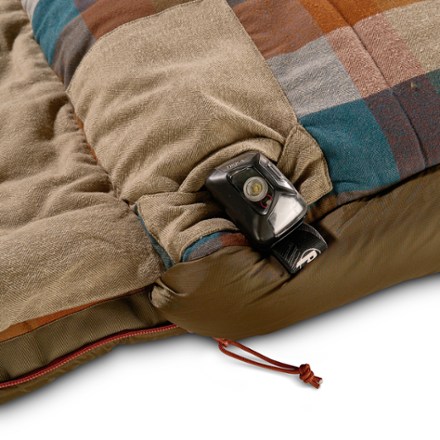
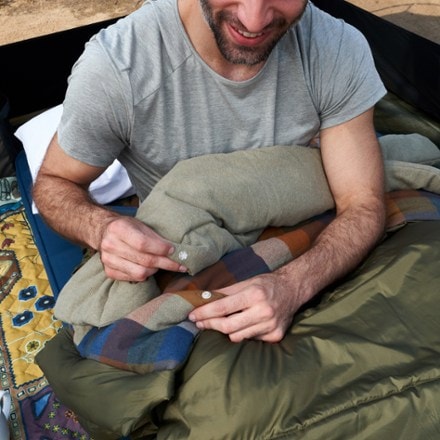
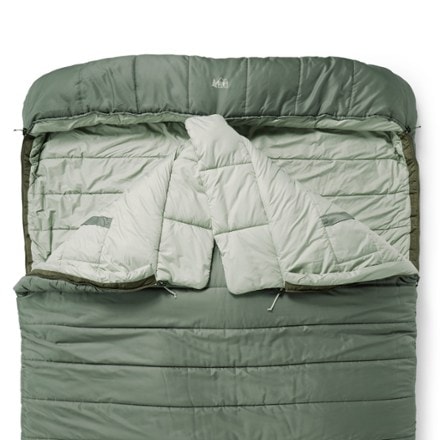
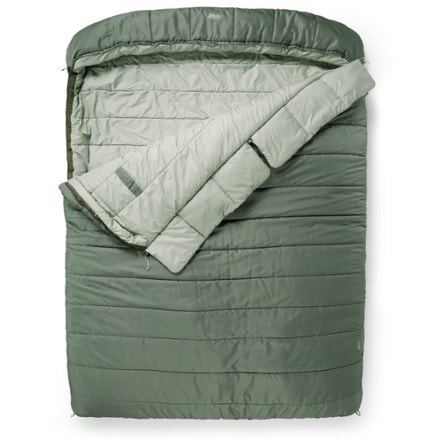
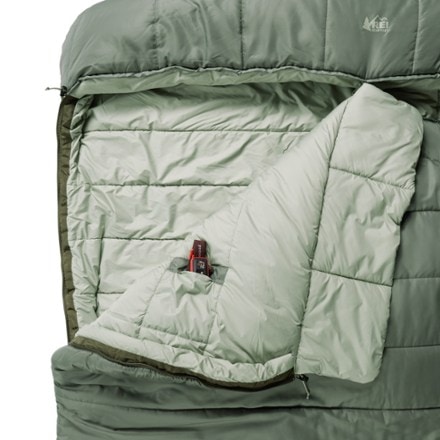
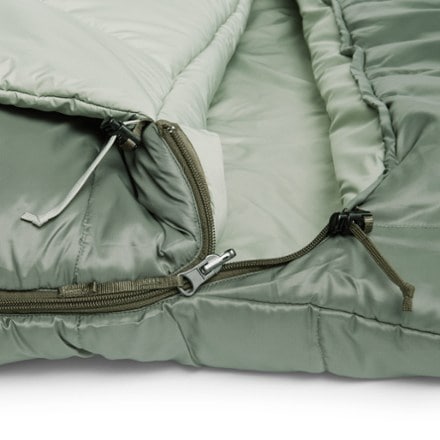
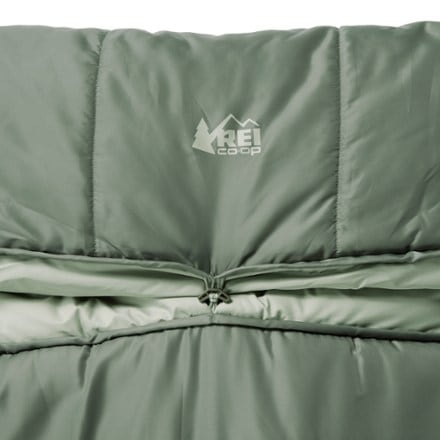
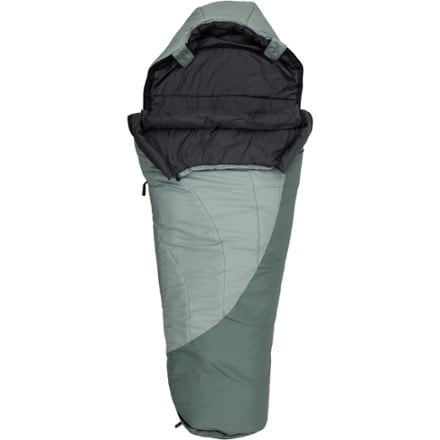
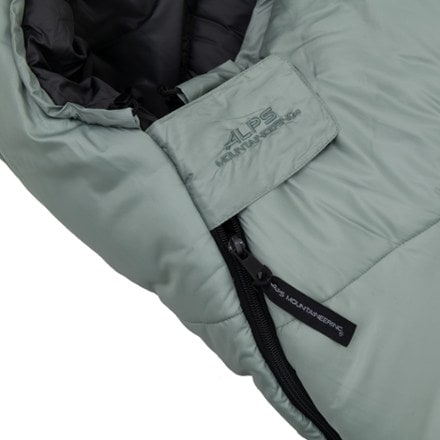
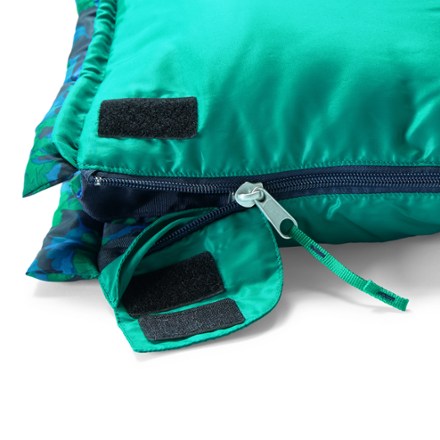
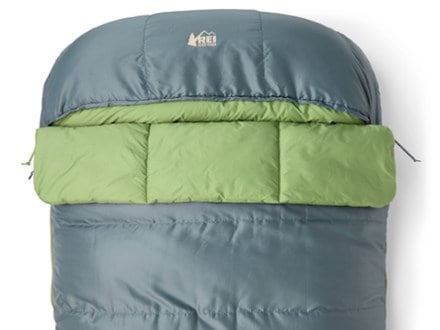
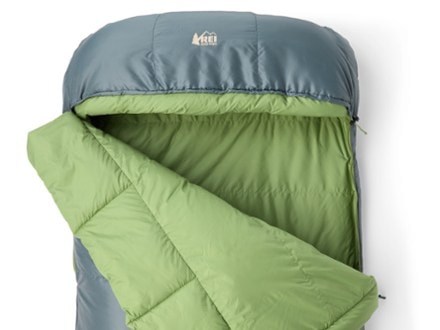
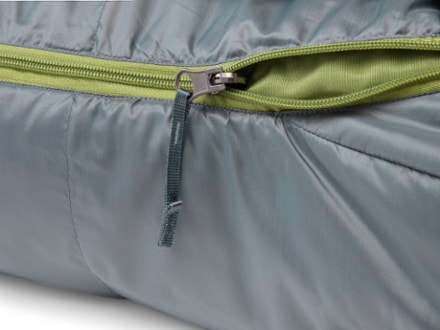
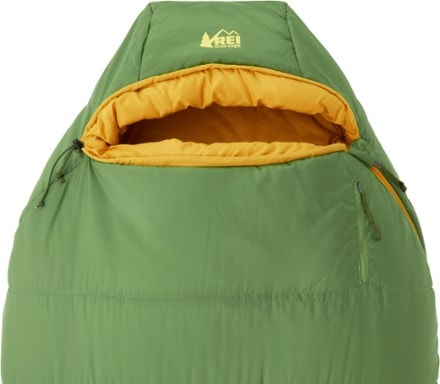
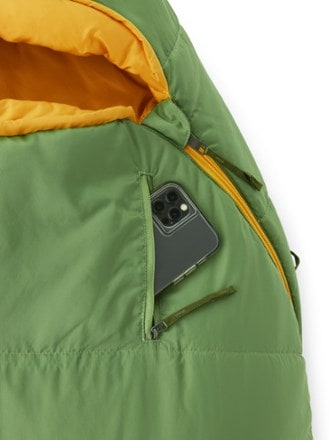
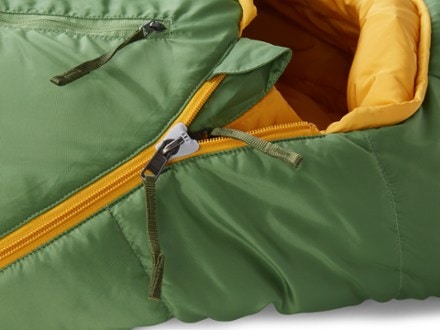
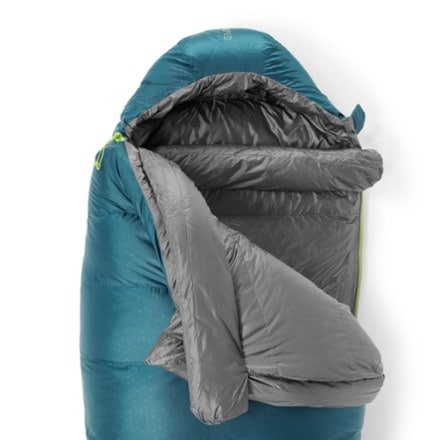
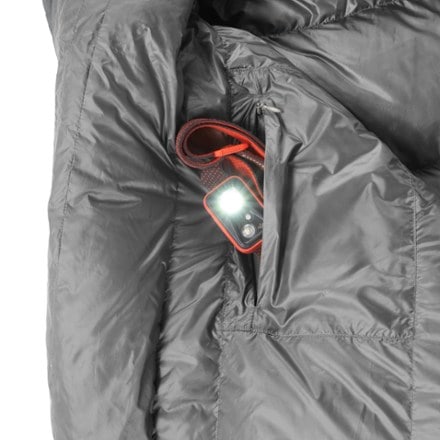
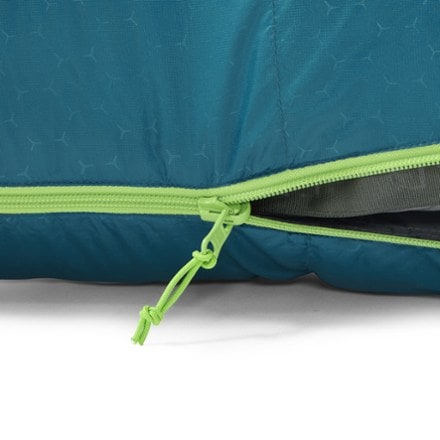
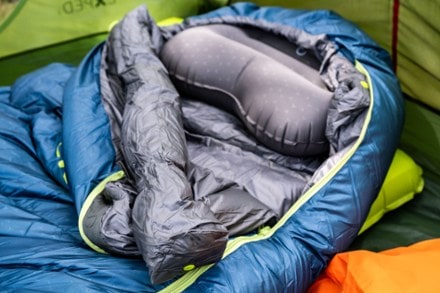
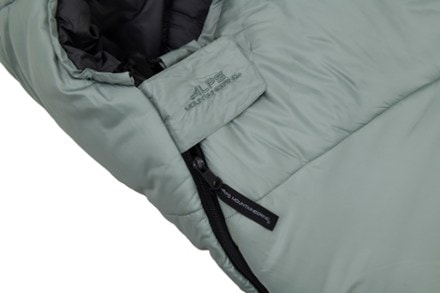
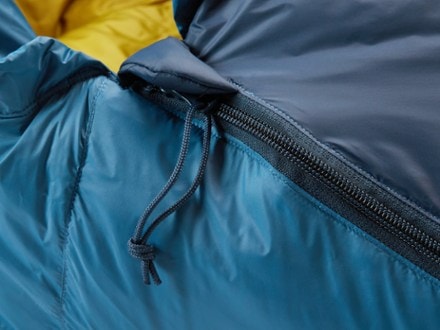
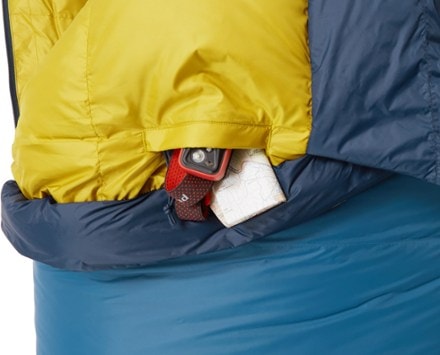
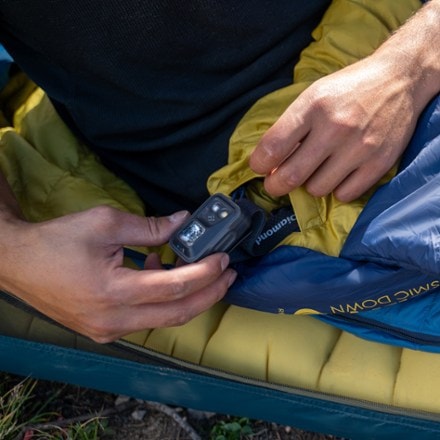
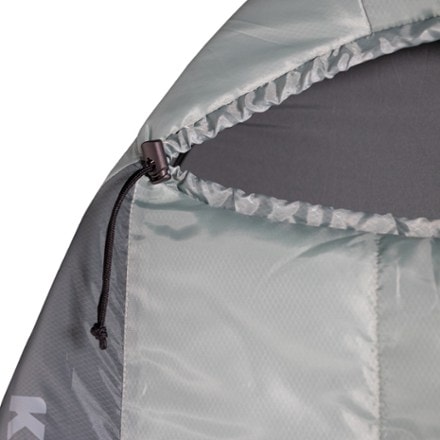
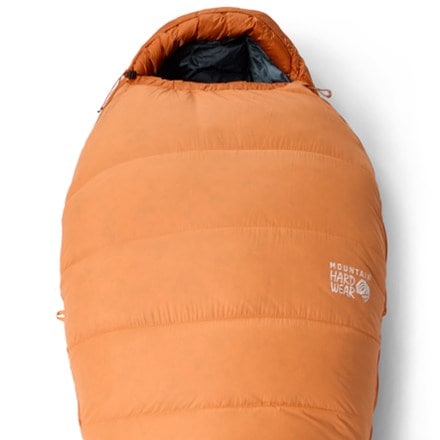
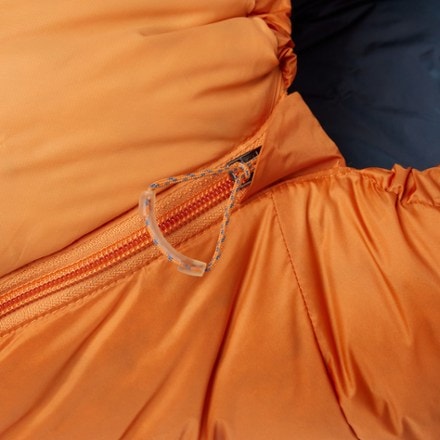
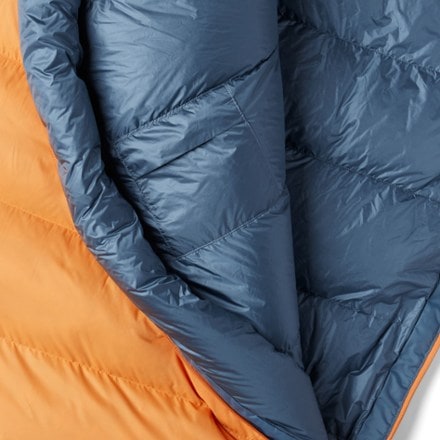
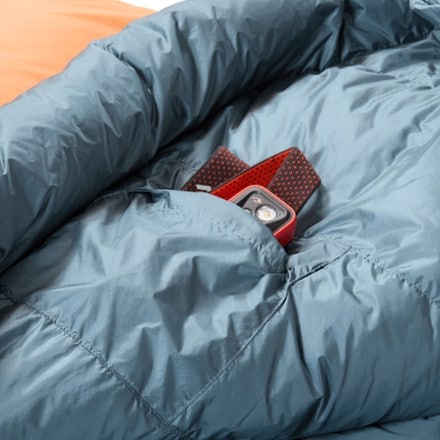
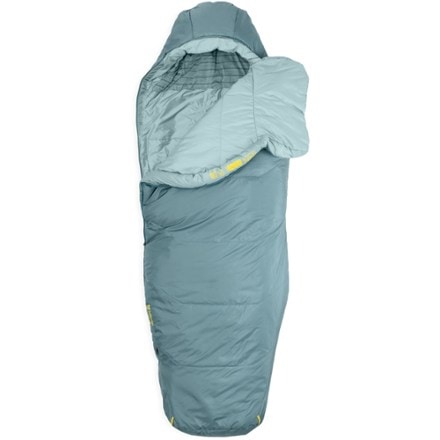
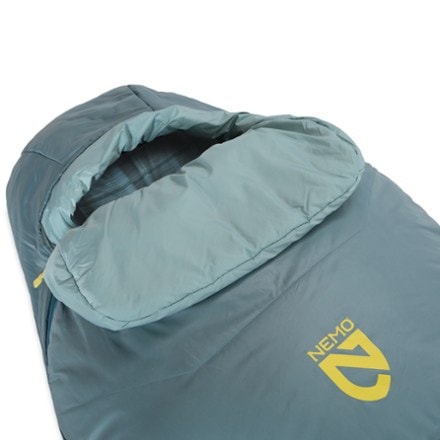
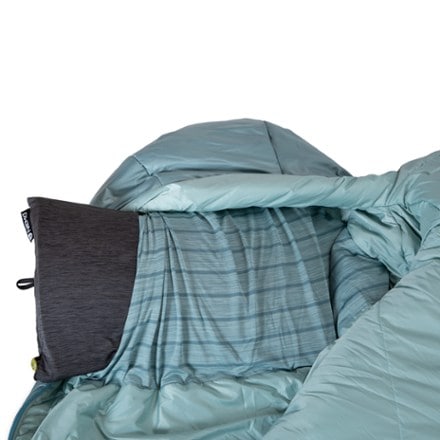
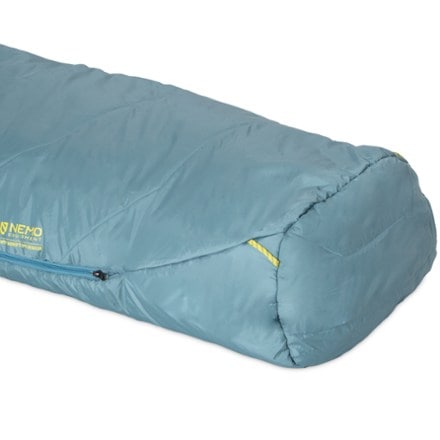
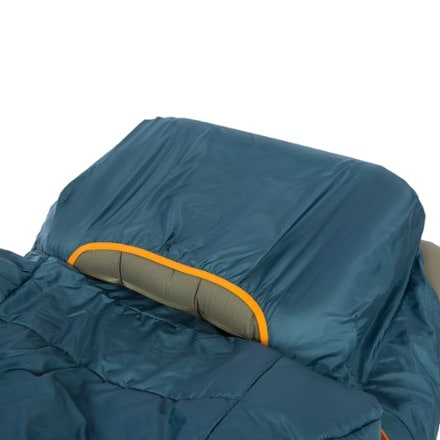
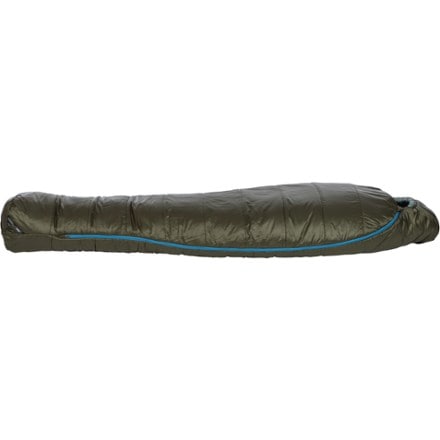
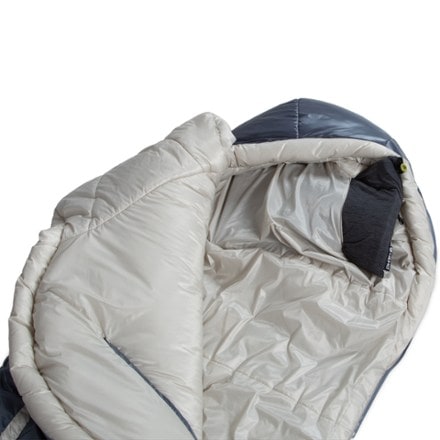
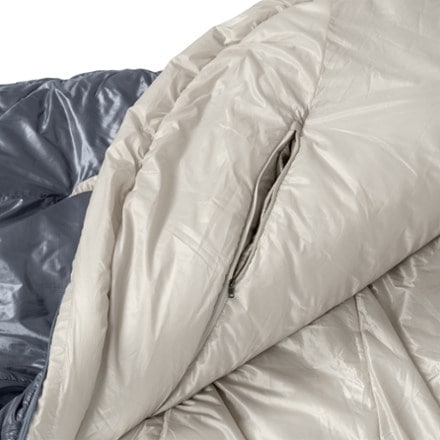
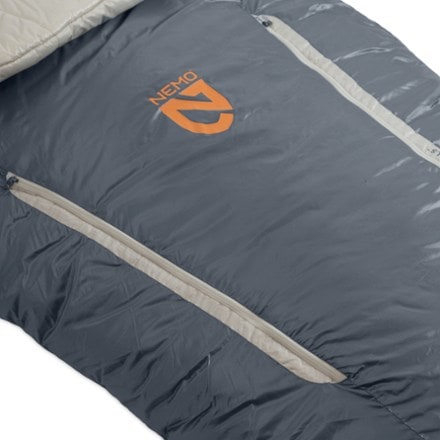
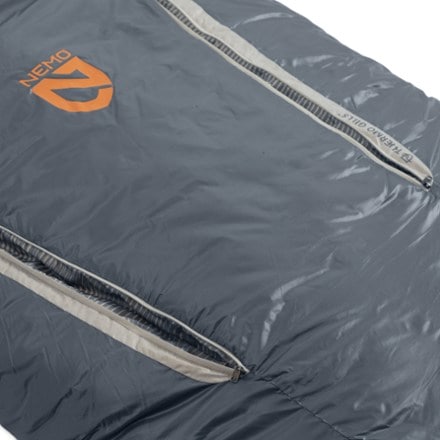
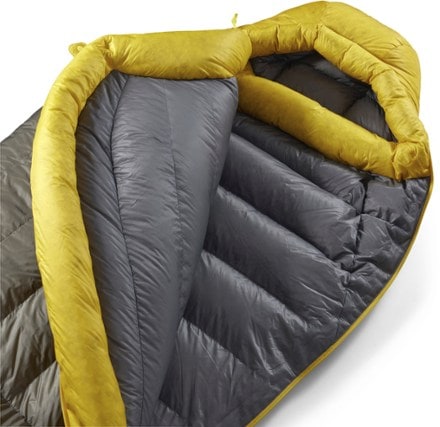
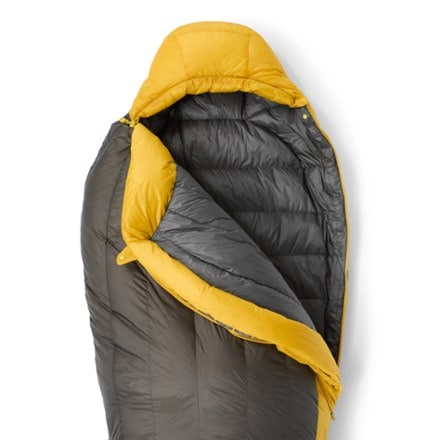
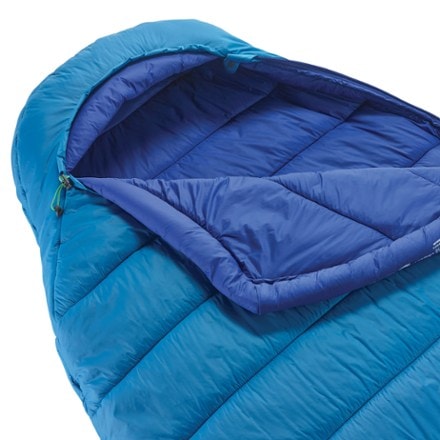
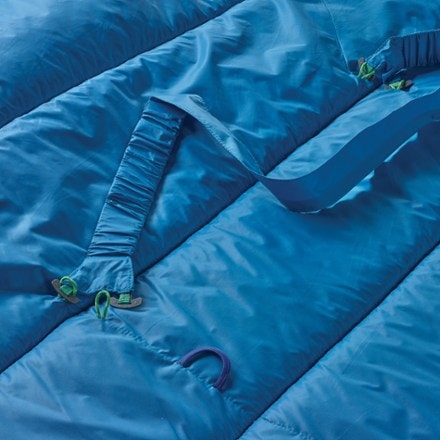
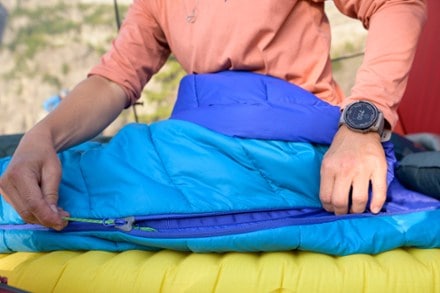
Draft-blocking details, a snug-fitting hood, extra zippers and even a stash pocket can add durability, warmth and function.
Read full article: How to Choose Sleeping Bags for Backpacking