Skip to search results
loaded 9 results
Insulated Packs
(9 products)Products (9)
Filter
- Unisex (2)
- Running (9)
- Insulated (9)
- BPA Free (9)
- Collapsible (5)
- Fits In Cup Holder (2)
- Top Rated (1)
- $20.00 to $49.99 (7)
- $50.00 to $99.99 (2)
- 0 to 0.49 (8)
- Plastic (9)
- 11 to 20 (9)
- 0 to 0.4 (2)
- 0.5 to 0.9 (7)
Sort: Best Match

View:
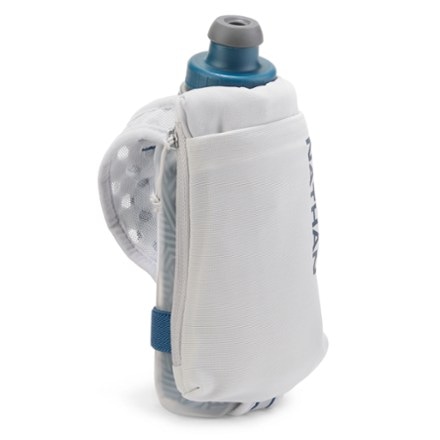
- Top Rated$38.00(13)13 reviews with an average rating of 4.5 out of 5 stars
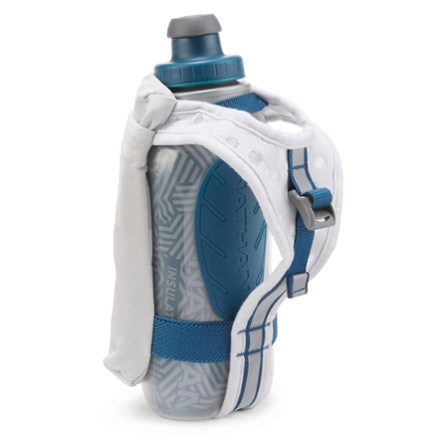
- $44.00(18)18 reviews with an average rating of 4.4 out of 5 stars
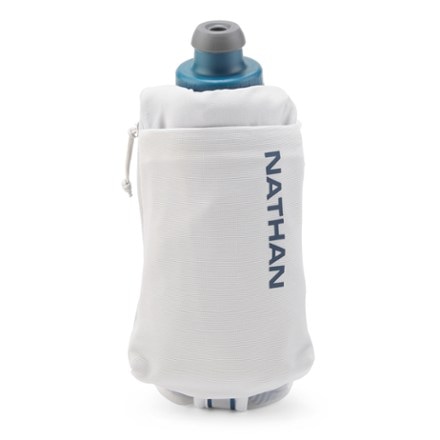
- $40.00(4)4 reviews with an average rating of 4.5 out of 5 stars
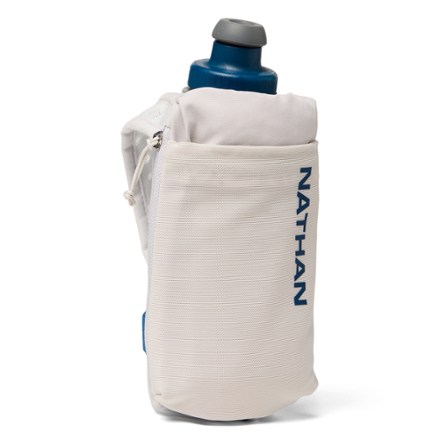
- $35.00(4)4 reviews with an average rating of 5.0 out of 5 stars
- $40.00(0)0 reviews
- $42.00(0)0 reviews
- $50.00(4)4 reviews with an average rating of 4.8 out of 5 stars
- $42.00(26)26 reviews with an average rating of 4.2 out of 5 stars
- $50.00(2)2 reviews with an average rating of 3.5 out of 5 stars
Earn 15% in total rewards
Get 5% on all REI Co-op purchases plus the 10% Co-op Member Reward you earn on eligible full-price purchases.
Apply now
Terms apply
Sort: Best Match
Related Expert Advice articles
Discover our staff favorite daypacks for hiking, from ultralight options to travel ready packs.
Find our favorite backpacking backpacks from Osprey, Gregory, Deuter and REI in this gear guide. We have options for short trips, long trips and everything in between.
Read full article: The 7 Best Backpacking Packs of 2025: Staff Picks
Consider your activity:
- Hiking: Often compatible with hydration reservoirs, have external gear straps/loops
- Running: Designed to limit bounce, hydration compatible
- Climbing: Slim profile, abrasion-resistant reinforcements
- Traveling: Multiple compartments, meets carry-on requirements
- Cycling: Road cycling packs compact with lower profile; MTB packs hold more gear
How much gear will you carry?
- 10L or less: Short runs, quick outings, casual use, essentials only
- 11–20L: Day hikes, cycling, can carry an extra layer
- 21–35L: Sweet spot for multi-hour or full-day hikes, travel
- 36–50L: Gear-heavy outings l(all-day hikes, climbing), winter hiking, ultralight backpacking
Internal frame or frameless?
- Internal frame: More support for heavier loads, but bulkier
- Frameless: Lighter weight and more compact, but less support
Choose a gear capacity
- Runs under 2 hours: 2 liters
- Runs 2-3 hours: 2 to 6 liters
- Runs 3-6 hours: 4 to 12 liters
- Runs over 6 hours: 6+ liters
Decide on bottles and/or reservoir
- Most vests are compatible with both bottles and reservoirs.
- Bottles are easier and faster to refill, usually holding 500 ml of water each.
- Bottles can be soft or rigid. Rigid bottles are more durable.
- Reservoirs hold more water, up to several liters.
Get the right fit
- Follow the manufacturer’s sizing guidelines.
- Choose a snug fit. (Measure your chest while wearing your sports bra.)
- Leave room for adjustment: The straps should sit in the middle of their adjustment range.
- Women-specific vests offer fits optimized for the bust and shoulders.
Choose a bag category
- Wheeled luggage: Easy to roll through airports and on smooth streets; options include duffels, suitcases and backpacks with wheels
- Travel duffel bags: Lighter, simple design and easy to stash, but with limited organizing compartments
- Travel packs: Ideal for uneven terrain and travelers OK carrying a load on their backs
Capacity
- Weekend trips (30-50 liters): Many carry-on duffels, packs and bags fall in this range
- Multiday trips (50-75 liters): Great for trips that last one to two weeks
- Extended trips (75+ liters): Best for big expeditions or longer adventures
Features
- Carry-on: These meet common carry-on guidelines, but always check airline rules before heading out
- Laptop compartment: A dedicated sleeve or section helps protect your device
- Backpack straps: Some duffels also have dedicated backpack straps for easy hauling
Capacity
Trip duration is the biggest factor. General guidance:
- Weekend (1-3 nights): 30-50 liters
- Multiday (3-5 nights): 50-80 liters
- Extended (5+ nights): 70-plus liters
Features
Consider frame type, storage, padding and ventilation.
Fit
Sizing is based on torso length (not height) and hip circumference. Sizing can vary by brand and model, so check a pack's size chart.
Finding torso length and hip circumference
- Locate your C7 vertebra by tilting your head forward and feeling for the bony bump between your shoulder blades.
- Place your hands over your hip bones. Draw an imaginary line connecting your thumbs across your lower back.
- Stand up straight. Have a friend measure from your C7 vertebra to the imaginary line between your thumbs. This is your torso length.
- To find hip size, measure around the top of your hips, using the same imaginary line you found earlier.