Skip to search results
loaded 1 results
Kevlar Backcountry Skiing
(1 product)Products (1)
Filter
- MSR (1)
- Unisex (1)
- Top Rated (1)
- Black (1)
- 111 - 120cm (1)
- 131 - 140cm (1)
- Composite (1)
- 1 to 1.49 (1)
Sort: Best Match
View:
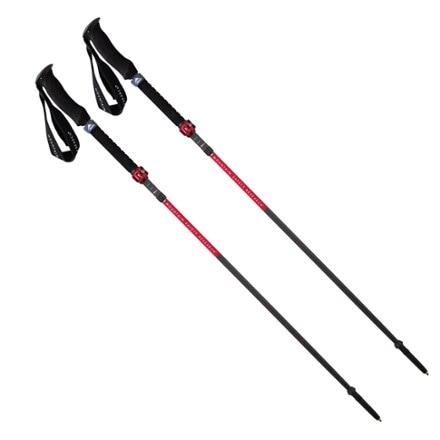
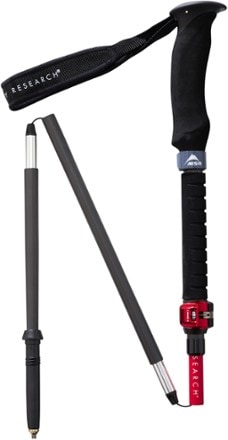
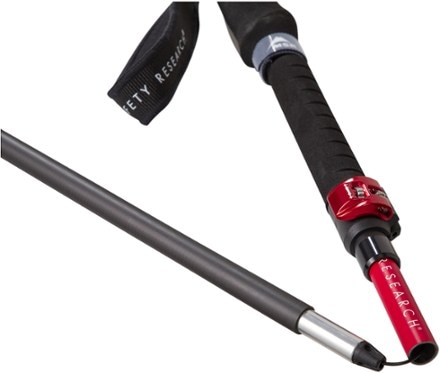
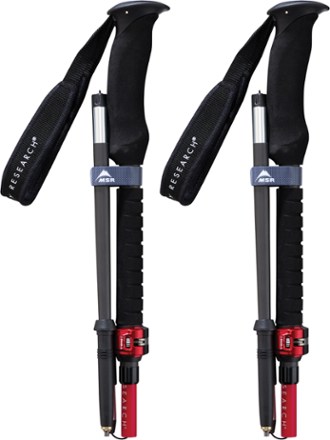
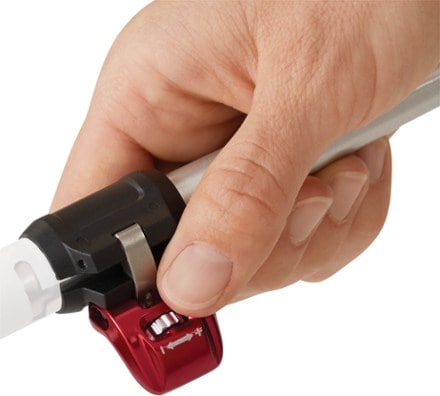
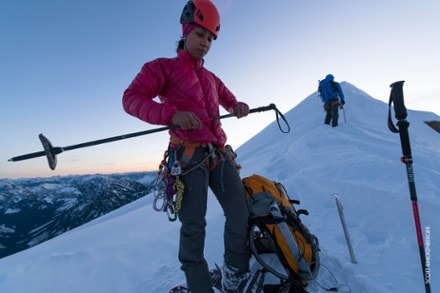
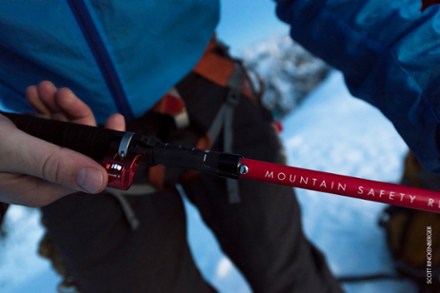
- MSRDynaLock Ascent Carbon Backcountry Poles - PairTop Rated$189.95(78)78 reviews with an average rating of 4.7 out of 5 stars
Sort: Best Match
Related Expert Advice articles
Our team of powder hounds tested and reviewed the best ski helmets available at the co-op. Find the right helmet for skiing or snowboarding at REI.
Read full article: The 7 Best Ski Helmets of 2025/2026: Tested
Ski accessories, boot warmers, technical apparel, unique stocking stuffers and more—these are 2025's top gift ideas for all the skiers on your holiday list.
Find the best jacket for skiing or snowboarding among our favorites. We review women's ski jackets from Arc'teryx, The North Face, Outdoor Research, REI Co-op and more.
Read full article: The 7 Best Ski Jackets for Women: Staff Picks
Our complete checklist helps prepare you for a day of backcountry skiing or snowboarding. Includes the Ten Essentials and much more.
Read full article: Backcountry Skiing/Snowboarding Checklist
Key features of backcountry snow shovels:
- Material: Because of its low weight and high strength, aluminum predominates. Plastic shovels aren't suited to avalanche rescue.
- Comfort: Low weight and a comfortable, ergonomic grip will make a shovel easier to use.
- Length: Longer, extended shafts may give you better leverage to scoop snow faster while shorter shafts cut down on weight.
Types of snow shovels:
- Fully flat blades are best for snow study, such as creating smooth snow-pit walls.
- Scooped blades are less likely to spill snow off the sides during shoveling.
- Serrated blade edges can be used to bust up ice.
- Blades with holes in them can be used (with a length of accessory cord) to build snow anchors; holes also make a shovel slightly lighter to carry.
T-grip vs. D-grip handles:
- T-grip: Grasped between the fingers, this is a lightweight design that works well; can be awkward when wearing mittens.
- D-grip: Slightly bulkier and heavier than a T-grip, it is relatively easy to use while wearing mittens.
What is an avalanche transceiver?
- If you recreate in snowy backcountry terrain, an avalanche transceiver is an essential safety device—along with a probe and shovel
- Transceivers help you locate someone buried in an avalanche and it helps rescuers find you if you’re buried
What features should I look for?
- Analog or digital: Most modern transceivers are digital; some are both digital and analog
- Multiple burials: Allows searchers to detect more than one buried person; most offer this feature
- Marking function: Lets a searcher to mark the location of a buried person so they can search for another one
- Display screen: Displays direction and distance to a buried person
- Range: Listed in meters (typically 40-70m), the circular range at which one transceiver can detect another
Read full article: How to Choose and Use an Avalanche Transceiver