Skip to search results
loaded 1 results
Wahoo Fitness Android Fitness Electronics
(1 product)Products (1)
Filter
- $20.00 to $49.99 (1)
- Cycling (1)
- Black (1)
- 0 to 0.49 (1)
Sort: Best Match
View:
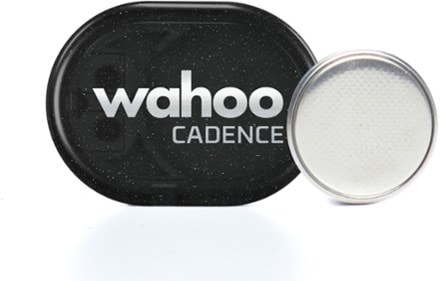
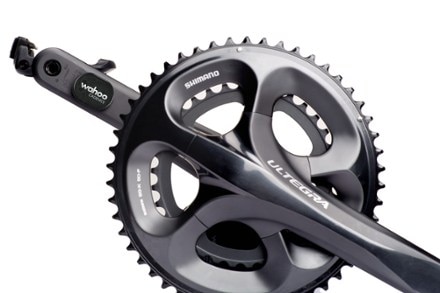
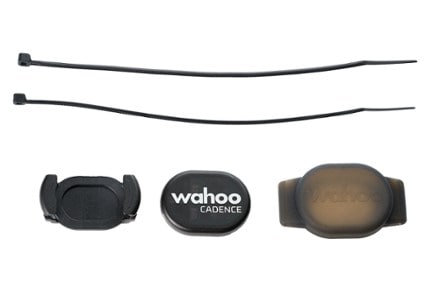
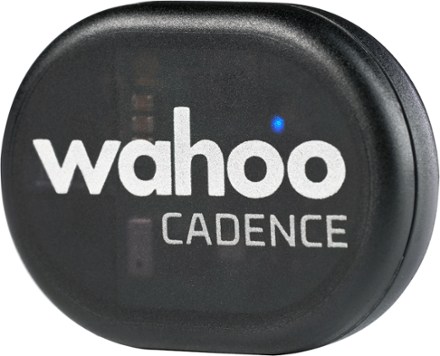
- Wahoo FitnessRPM Cadence Sensor$45.00(5)5 reviews with an average rating of 4.0 out of 5 stars

Sort: Best Match
Related Expert Advice articles
Learn how to train using a heart rate monitor, what your HR max is and how to determine it, and how to calculate and use heart rate training zones.
Learn about speed and distance monitors, GPS fitness trainers and heart rate monitors so you can choose the right one for you.
Read full article: How to Choose Speed and Distance Monitors
Learn what VO2 max is, how you can measure it and why it’s key to improving fitness. Also get tips on training routines that can help you improve it.
Types of Heart-Rate Monitors (HRM)
- Chest strap monitors: worn across the chest and against the skin; the most accurate because they measure heart rate electronically
- Wrist-only monitors: worn on the wrist; comfortable and convenient but the least accurate compared to the other types
- Armband monitors: worn on the upper arm; more accurate than a wrist-top model, less fussy than a chest strap
Which features matter to you?
- Battery life: In GPS modes, wrist-only monitors tend to have less battery life than chest-strap and armband HRMs.
- Tethering: Chest-strap and armband HRMs don't have display screens so need to be paired with a compatible device.
- Swim compatibility: Not all water-resistant models are swim-compatible.
- Stride data: By tracking ground contact time, HRMs can show a runner how evenly split their stride is, among other stride-related data.
- Sport-specific features: These can include speed and cadence feedback for cyclists and runners, or pool-lap counters and stroke recognition for swimmers.
- Wrist-only (GPS watch) features: These include target heart rate zones, step and calorie counters and lap/split times.
Heart Rate Monitor Use and Design
- Heart rate target zones provide critical data to help you measure your training.
- Skin tone may affect the accuracy of optical heart rate monitors (wrist-only and armband). Those with dark skin tones may want to opt for chest-strap HRMs.
- Users of heart rate monitors include endurance athletes like runners, cyclists, hikers and skiers; climbers; weight-loss participants; and injury-rehabilitation patients.
Read full article: Heart Rate Monitors Buying Guide | How to Choose