Teravail 27.5 Inch Wheel Cycling
(6 products)- Bike Parts (6)
- Bike Tires (6)
- Mountain Biking (3)
- Gravel Cycling (2)
- Cycling (1)
- $10.00 to $19.99 (1)
- $50.00 to $99.99 (5)
- Tubeless (5)
- Black (6)
- Folding (5)
- 0.5 to 0.99 (1)
- 1 to 1.49 (1)
- 1.50 to 2.99 (3)
- 2.1 inches (2)
- 2.5 inches (3)
- Tubeless Ready (5)
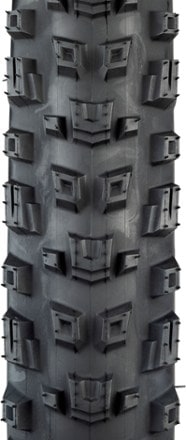
- Knobby Tread (5)
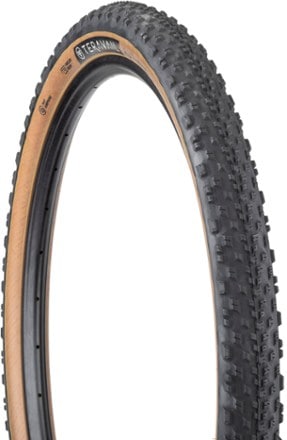
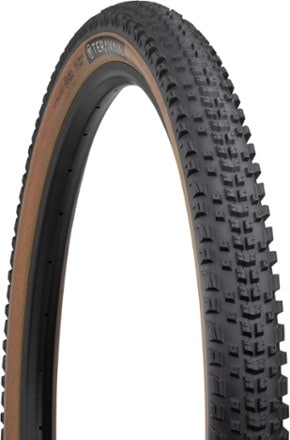
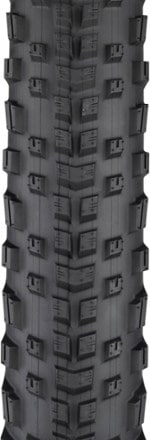
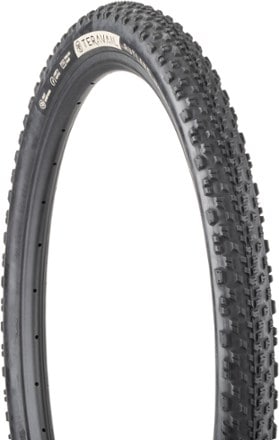
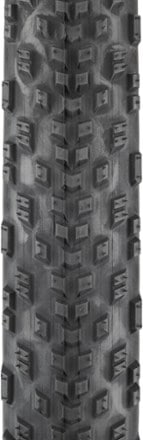
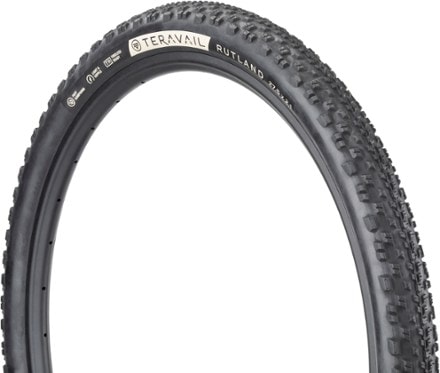
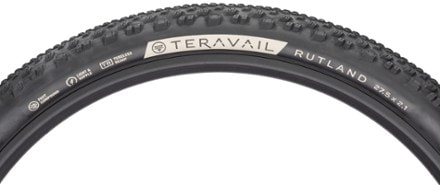
- TeravailRutland Durable Tire - 27.5$73.00(3)3 reviews with an average rating of 4.0 out of 5 stars
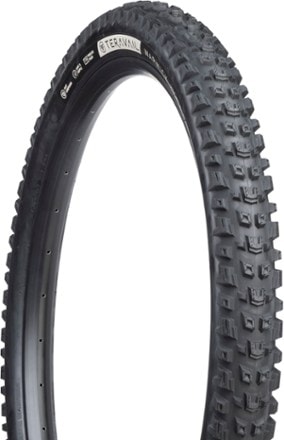
- TeravailEhline Durable Tire - 27.5$75.00(1)1 reviews with an average rating of 5.0 out of 5 stars
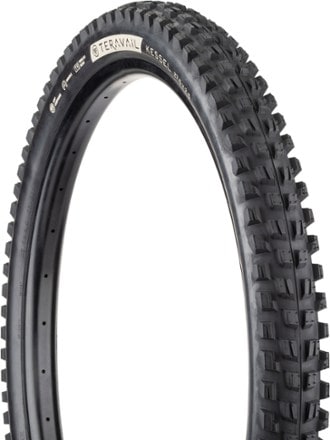
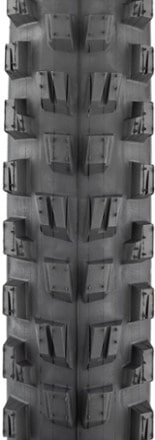
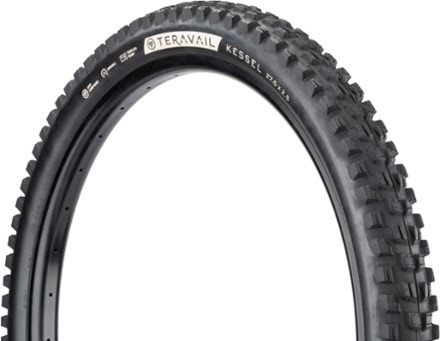
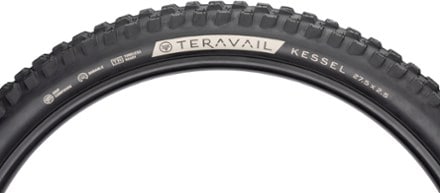
- TeravailKessel Durable Tire - 27.5$85.00(0)0 reviews
- TeravailRutland Light & Supple Tire - 27.5$68.00(0)0 reviews
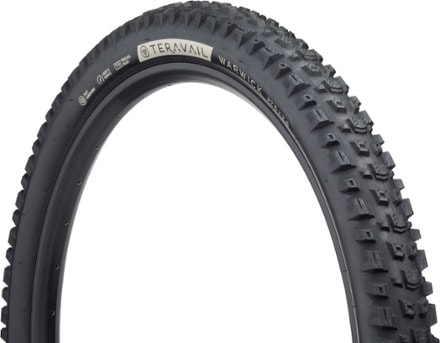
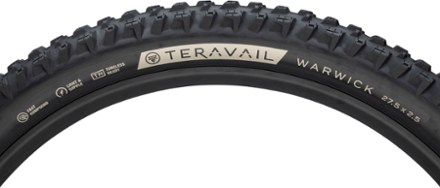
- TeravailWarwick Light & Supple Tire - 27.5$65.00(0)0 reviews
- TeravailStandard Presta Tube - 27.5 x 2.8-3.0$17.50(0)0 reviews





Related Expert Advice articles
What size do you need?
- Check the sidewall of your current tire; the numbers indicate tire size (rim size and width)
- A tire size of 29 x 2.3 has a 29 in. rim size and a 2.3 in. width
- While the tire diameter must be an exact match with your rim size, you can opt for variations in tire widths though you should consider the min/max widths of the rim
Tire Type
- Tubeless ready: These tires seal directly on rim of a bike and don’t require a separate inner tube
- Tubeless clincher: This common tire setup includes a tire and a separate inner tube
- Tubular: Less common, the inner tube is sewn inside the casing and glued or taped onto the rim
Bead type
- Wired: The bead—or the edge of the tire that fits into a rim—is made of steel wire so can’t be folded; generally cheaper and heavier
- Folding: These have a flexible Kevlar bead; they can be folded up, making storing and carrying easy
Choose a category
Base roof racks
- A roof rack system includes three components: cross bars that run horizontally across a vehicle's roof, towers and fit kits or clips
- Cross bars serve as the base for attaching other racks, such as cargo roof boxes, roof bike racks or kayak racks
Bike racks
Options include:
- Bike hitch racks attach to a vehicle trailer hitch
- Roof bike racks secure your bike to cross bars by attaching the bike's fork, frame or wheels
- Trunk car racks attach to trunks or rear hatches with straps
Watercraft racks
Options like J-cradles are designed to carry kayaks, paddle boards or canoes
Ski and snowboard racks
Roof-mounted options require crossbars while hitch-mounted options secure skis and snowboards on the back of the vehicle
Cargo roof boxes
These hard-sided containers mount to a roof rack and keep gear secure. They're versatile for storing long, loose or odd-size gear in an enclosed system.
Where on your car do you want to haul gear?
- Roof carriers leave your trunk free but require lifting gear overhead
- Trailer hitch racks secure gear on the back of your vehicle
Which rack fits your vehicle?
Use brand guides find car racks that fit your vehicle.
Read full article: The 8 Best Sunglasses of 2026: Staff Picks
Consider your activity
- Hiking: Often compatible with hydration reservoirs, have external gear straps/loops
- Running: Designed to limit bounce, hydration compatible
- Climbing: Slim profile, abrasion-resistant reinforcements
- Cycling: Road cycling packs compact with lower profile; MTB packs hold more gear
How much gear will you carry?
- 10L or less: Short runs, quick outings, casual use, essentials only
- 11–20L: Day hikes, cycling, can carry an extra layer
- 21–35L: Sweet spot for multi-hour or full-day hikes, travel
- 36–50L: Gear-heavy outings l(all-day hikes, climbing), winter hiking, ultralight backpacking
Internal frame or frameless?
- Internal frame: More support for heavier loads, but bulkier
- Frameless: Lighter weight and more compact, but less support
Find the right fit
Use torso length (not overall height) to find your pack size
- Measure your hip circumference (slightly higher than your pant-waist size) and check that against the hipbelt size
Related searches