Skip to search results
loaded 1 results
Stanley Quencher
(1 product)Products (1)
Filter
- Travel Gear (1)
- Home and Living (1)
- Camp Kitchen (1)
- Camp Hydration (1)
- Insulated (1)
- Fits In Cup Holder (1)
- BPA Free (1)
- $20.00 to $49.99 (1)
- Green (1)
- 36 to 50 (1)
- 1 to 1.49 (1)
- Lid With Straw (1)
- 1 to 1.4 (1)
Sort: Best Match
View:
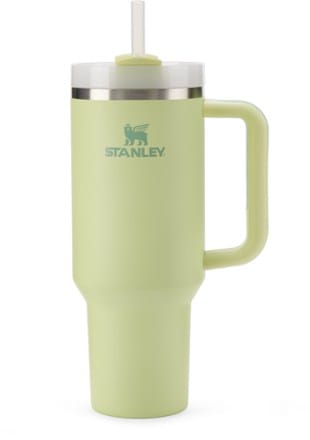
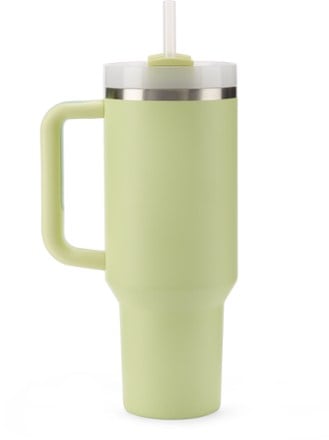
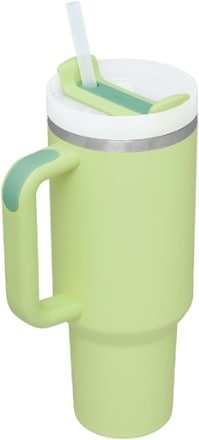
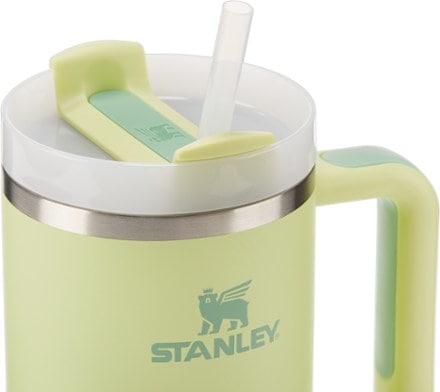
- StanleyQuencher H2.0 FlowState Tumbler - 40 fl. oz.$45.00(10899)10899 reviews with an average rating of 4.3 out of 5 stars

Sort: Best Match
Related Expert Advice articles
Need to clean up a worn Dutch oven? These tips will get your cast iron cookware looking new again.
Read full article: How to Care for & Restore Cast Iron Cookware
Do you want a cookset or individual pieces?
You can buy a collection of pots and pans that nest together or build a set piece by piece.
Cookware materials
- Aluminum: Lightweight and affordable. Good for simmering without scorching. Dents easily.
- Hard-anodized aluminum: Resists scratches and lasts a long time.
- Stainless steel: More durable and scratch resistant than aluminum. Heavy.
- Titanium: Lightest option, heats quickly and is highly corrosion resistant. Pricy.
Other considerations
- Pot size: The largest pot in a cook set should hold about 1 pint of water per person in your party.
- Number of pots: If you plan to rehydrate food for two backpackers, one pot is sufficient. More elaborate meals require more pots.
- Lid: Adding one reduces cooking time and saves fuel. Some double as plates.
Choose a fabric type
- Wool: Stays warm when wet, resists odor and wicks moisture
- Synthetic (nylon, polyester or acrylic): Ideal for sensitive skin, trap warmth and wick moisture.
How much cushioning do you want?
- No cushioning: Best for tighter-fitting performance boots that have a tighter fit or maximum ground feel
- Light cushioning: Shin padding with minimal cushioning on the balls of the feet, often with reinforced toes and heels
- Medium cushioning: Added padding for warmth and impact absorption; ideal for cold conditions or looser-fitting boots
Length
- Knee high: Most socks for skiing and snowboarding go up to the knees to help protect from shin bang
- Crew: Cross-country skiers and snowshoers may prefer shorter hiking socks
We list our 8 favorite socks for hiking, backpacking, kids, compression and more.
Read full article: The 8 Best Hiking Socks of 2026: Staff Picks
Select your sock height
- No-show: Minimal protection; best with low-cut footwear like trail-running or light hiking shoes
- Ankle: Covers your ankle bone; best for low- to mid-cut shoes and boots
- Crew: Extends above ankle; good for boots or shoes
- Knee-high: Provides warmth and protection against high-cut boots
Choose your preferred cushioning level
- None: Ultralight; ideal for hot weather or as sock liners
- Light: Thin cushioning; better for warm conditions
- Medium: Targeted cushioning in the heel and ball; ideal for moderate to cold conditions
- Heavy: Thickest and most cushioned; best for long trips, rugged terrain and cold
Select a fabric
- Choose moisture-wicking, quick-drying materials like wool, polyester or nylon
- Spandex adds stretch to prevent bunching
- Cotton isn't recommended as it absorbs moisture and dries slowly
Find your fit
- Choose based on your foot size, not shoe size.
- If you're between sizes, size down to avoid excess material that can bunch up and cause blisters.
- Socks should feel snug but not tight, and the sock's heel cup should naturally line up with your heel.
Synthetic or merino wool socks have subtle differences depending on their intended activity. We'll explain sock fit, features and fabrics.
Related searches