Skip to search results
loaded 3 results
Salomon Quest
(3 products)Products (3)
Filter
- Footwear (3)
- Hiking Footwear (3)
- Boots (3)
- Women's Footwear (2)
- Men's Footwear (1)
- Aero Glide (5)
- Elixir (3)
- QST (9)
- Quest (3)
- Shift (10)
- Speedcross (6)
- X Ultra (23)
- XA Pro (7)
- Deals (1)
- Hiking (2)
- Backpacking (1)
- $100.00 to $199.99 (1)
- $200.00 to $499.99 (2)
- Waterproof (3)
- Regular (3)
- GORE-TEX (3)
- Over-the-ankle (2)
- Mid-calf (1)
- Lace-up (3)
- 1.50 to 2.99 (3)
Sort: Best Match
View:
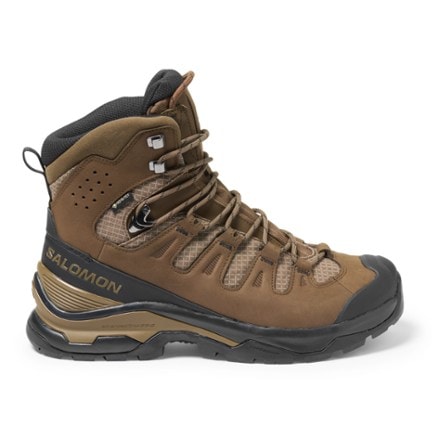
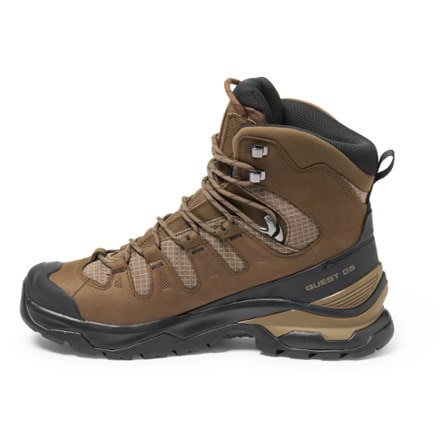
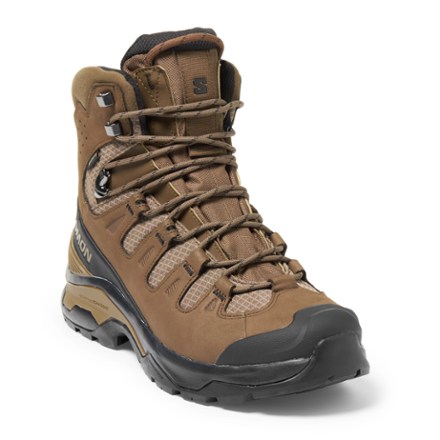
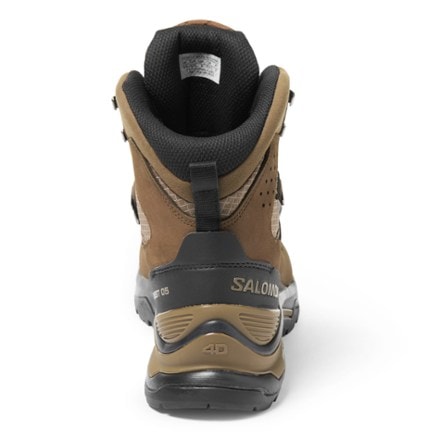
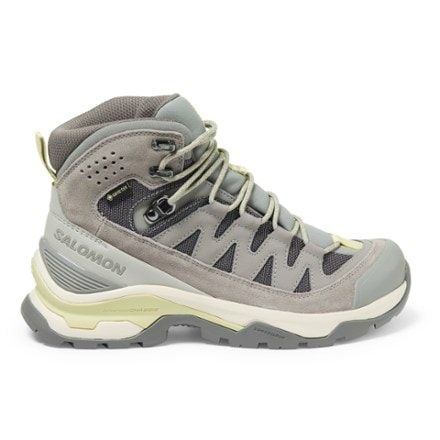
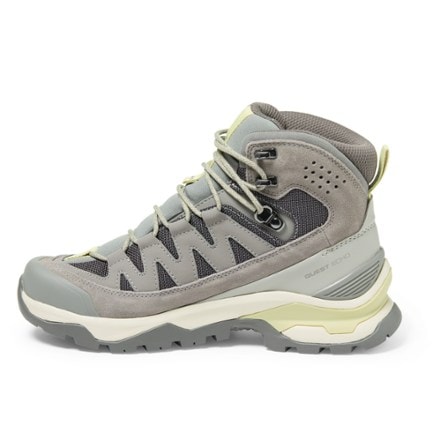
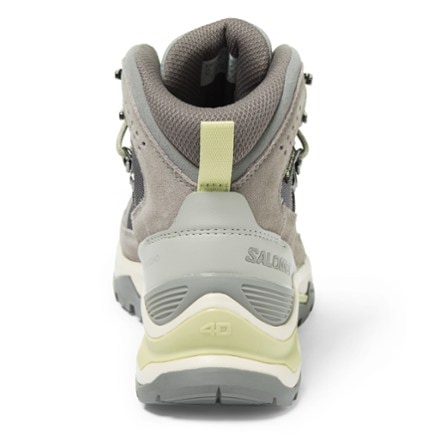
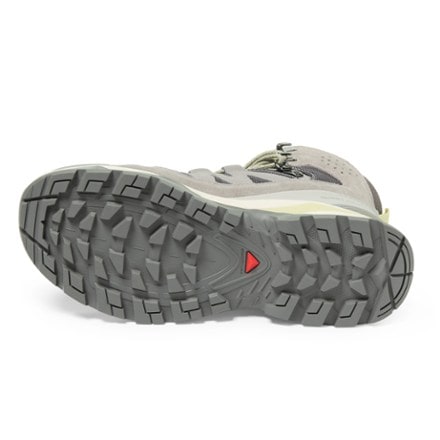
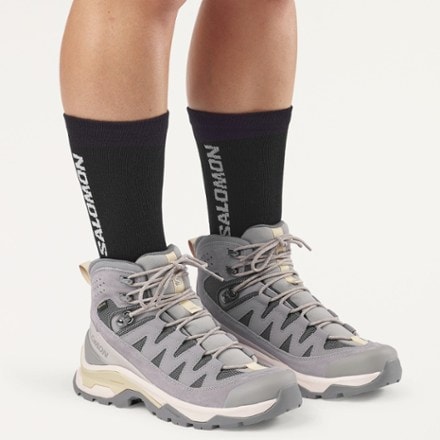
- SalomonQuest Echo GORE-TEX Hiking Boots - Women's$220.00(0)0 reviews
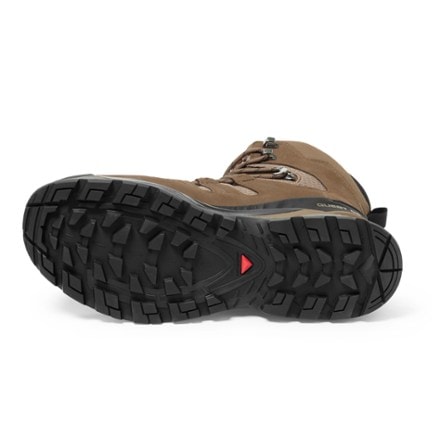
- SalomonQuest 5 GORE-TEX Hiking Boots - Men's$240.00(9)9 reviews with an average rating of 4.3 out of 5 stars
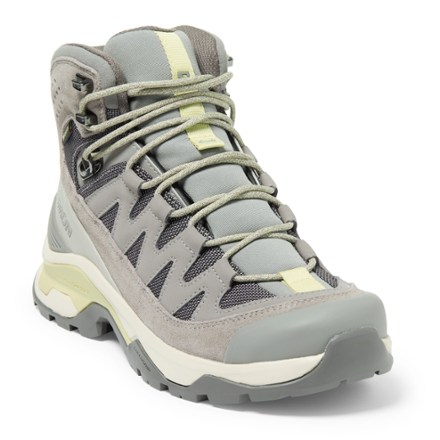
- SalomonQuest 4 GORE-TEX Hiking Boots - Women's$114.83Save 50%compared to $230.00(146)146 reviews with an average rating of 3.8 out of 5 stars
Sort: Best Match
Related Expert Advice articles
Where do you plan to ski?
Match your skis to the conditions and areas on the mountain you enjoy skiing. Your choices are all-mountain skis, powder skis, freestyle skis and backcountry skis.
Consider the waist width of your ski:
- If you ski groomers or are a beginner, consider a narrower ski—under 90mm wide.
- If you ski the whole mountain and prize versatility, look for an all-mountain ski, from 91-114mm wide.
- For deep or soft powder purists, opt for a ski that’s 115mm or more wide.
Find your preferred ski length
- As a general rule, your skis should reach between your chin and the top of your head.
- Length also depends on your height, weight, ability level, skiing style and terrain preferences.
Hiking shoe vs. hiking boot
- Hiking shoes
- Often lighter weight, lower cut, more flexible and more breathable
- Ideal for day hikes or backpacking with lighter loads
- Hiking boots
- Burlier, with stiffer uppers, over-the-ankle coverage and typically waterproof
- Ideal for multi-day treks with heavier loads
Types of hiking boots
- Day-hiking boots: Mid- to high-cut models that require less break in time; intended for day hikes or short backpacking trips with light loads
- Backpacking boots: Often over-the-ankle height and heavier-built with stiffer midsoles; designed to support multiday treks with heavier loads
Consider the lugs
- Deep, thick lugs improve grip
- Wider lug spaces sheds mud and offer good traction
Understand boot flex
- Soft flex: Comfortable; ideal for beginners or recreational riders
- Medium flex: Balances all-mountain performance and comfort
- Stiff flex: Maximum support for edge power and control at high speeds
Match riding style to flex
- All-mountain: Soft to medium for most riders; stiffer boots for racers
- Freeride: Stiffer for edge power and control at high speeds
- Freestyle: Softer for quick response and maneuverability in park terrain
Boot lacing system
- Dial lace: Uses one or two dials attached to cable for precise fit, higher cost
- Hybrid lace: Combines a dial system and traditional laces
- Traditional lace: Tried-and-true and easy to replace but can loosen during rides
- Quick pull: A single-pull lacing system that's fast and allows zonal tightening
Find a good fit
- Boots should feel snug and secure without cramping your feet
- It's OK for toes to barely graze the boot's toecap
- A snug heel fit is also key
Getting the right size ski boots is essential to having fun on the slopes. Learn how to size and fit boots, and how to custom mold liners.
This intro to trail running offers advice on shoes, clothing, gear and running technique, so you can maximize your fun on the trail.
Getting the right size snowboard boots is essential to having fun. Learn how to size and fit boots, and how to custom mold the liners.