Salomon Polartec Downhill Skiing
(1 product)- Ski Helmets (1)
- Unisex (1)
- Snow (1)
- No (1)
- 1 to 1.49 (1)
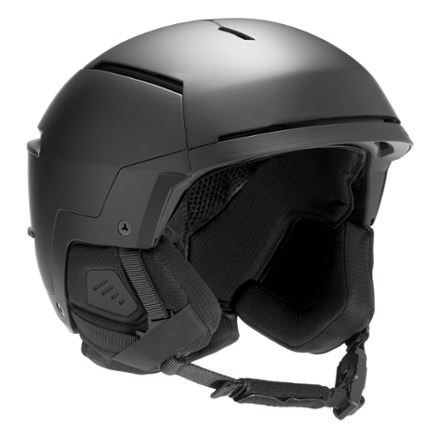
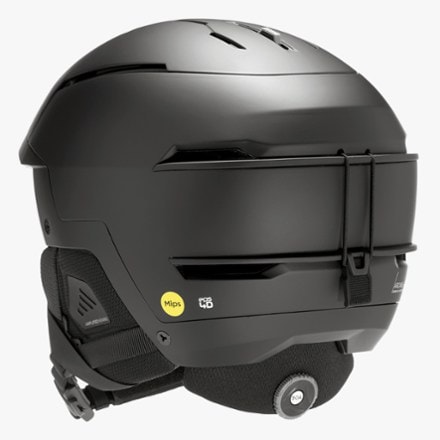
- SalomonArcane Prime Mips Snow Helmet$299.95(2)2 reviews with an average rating of 5.0 out of 5 stars
Related Expert Advice articles
Where do you plan to ski?
Match your skis to the conditions and areas on the mountain you enjoy skiing. Your choices are all-mountain skis, powder skis, freestyle skis and backcountry skis.
Consider the waist width of your ski:
- If you ski groomers or are a beginner, consider a narrower ski—under 90mm wide.
- If you ski the whole mountain and prize versatility, look for an all-mountain ski, from 91-114mm wide.
- For deep or soft powder purists, opt for a ski that’s 115mm or more wide.
Find your preferred ski length
- As a general rule, your skis should reach between your chin and the top of your head.
- Length also depends on your height, weight, ability level, skiing style and terrain preferences.
Find the right DIN range:
Ski bindings connect your boots to your skis but must also release at the right moment. Release settings are known as DIN, and bindings come with a DIN range.
Lower DIN: The binding releases with less pressure; ideal for lighter, moderate or cautious skiers.
Higher DIN: More force is required for the binding to release the boot; ideal for more aggressive, advanced, heavier skiers.
Match your skill level to the binding:
- Beginner to intermediate: Typically a DIN range of 3-10.
- Advanced: DIN range up to 14, 15, or even 16.
- Juniors: Kids' bindings have a much lower DIN range—typically with a high DIN of 7.
Pro tip: Brands often include the upper DIN value in the product name.
Choose the right brake width
Make sure the brake fits the waist width of your skis. The brakes should be equal to or no more than 15mm wider than the ski waist.
Boot compatibility
Most new ski bindings are MNC (multi-norm compatible) and can work with nearly all boot types—GripWalk, Alpine and Walk to Ride.