Skip to search results
loaded 6 results
All PMI Products
(6 products)Products (6)
Filter
- Made in USA (6)
- Top Rated (2)
- $0.00 to $9.99 (5)
- $100.00 to $199.99 (1)
- Static (2)
- Non-dry (2)
- 10 and above (2)
- Static (2)
Sort: Best Match
View:
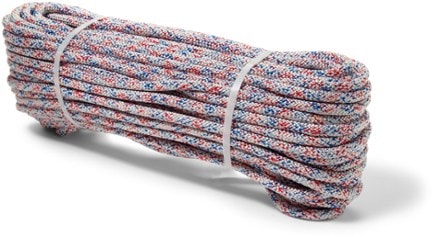
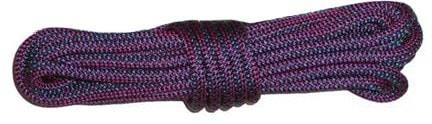
- PMIE-Z Bend Sport 11 mm x 46 m Non-Dry Static Rope$175.00(11)11 reviews with an average rating of 4.3 out of 5 stars
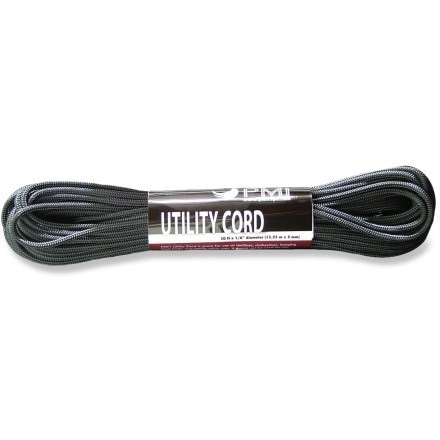
- PMI3 mm Utility Cord - 50 ft.Top Rated$6.50(150)150 reviews with an average rating of 4.8 out of 5 stars
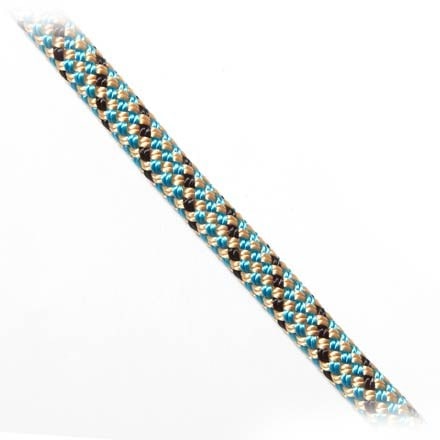
- PMIE-Z Bend Sport 11 mm Non-Dry Static Rope$1.75(23)23 reviews with an average rating of 3.8 out of 5 stars
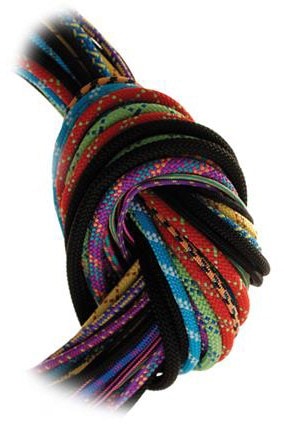
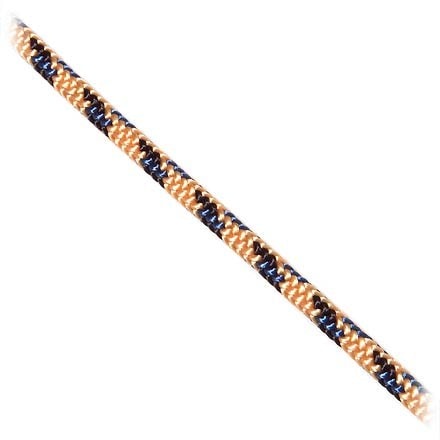
- PMIAccessory Cord - 8 mm$0.90(20)20 reviews with an average rating of 4.4 out of 5 stars
- PMIAccessory Cord - 7 mmTop Rated$0.80(23)23 reviews with an average rating of 4.7 out of 5 stars
- PMIUtility Cord - 4 mm$0.50(14)14 reviews with an average rating of 4.3 out of 5 stars

Sort: Best Match
Related Expert Advice articles
Slings
- Shorter slings (12 in. or less): Sometimes used for tying off pitons
- Single-length slings (24 in.): Good for alpine quickdraws
- Double-length slings (48 in.): Use to reduce rope drag, extend protection, built two-point anchors or as alpine quickdraws
- Extra-long slings (72-96 in.): Great for looping large rocks and building three-point anchors
Webbing
- Tubular webbing is standard for climbing
- Modular webbing is used for lashing gear and backpack straps
Climbing cord
- Available in diameters from 1mm up to 9mm
- Thicker cord is stronger and more load bearing but also heavier
Materials
- Nylon and Perlon: Affordable, strong, hold knots well, good stretch and high melting temperatures to handle dynamic falls
- Dyneema, Dynex and Spectra: Excellent strength-to-weight ratio, ultralight and highly UV resistant
Read full article: How to Choose Climbing Slings, Cord and Webbing
Dynamic vs. static ropes
- Dynamic: Designed to stretch to absorb the impact of a falling climber
- Static: Stretch very little, so they shouldn't be used in cases where a fall could occur; ideal for rescue, rappelling and hauling
Ropes categories
- Single rope: Most climbers buy single ropes, which are designed to be used by themselves and not with another rope; common for sport and trad climbing
- Half rope: When climbing with half ropes, you use two ropes, clipping alternately for reduced rope drag; common for trad climbing on wandering routes, mountaineering and ice climbing
- Twin ropes: Also a two-rope system, but both strands are clipped through each piece of protection
Diameter and length
- Thinner ropes (about 8.5-9.5mm) are lighter, less durable and require more skill to handle safely
- Thicker ropes are generally more abrasion-resistant; ideal for beginners or frequent use
- Dynamic ropes range in length from 30-80 meters. A 60-meter rope is the standard and will meet your needs most of the time.
Dry treatment
Some ropes include a dry treatment that reduces water absorption. Dry-treated ropes are more expensive than non-dry options.
- Dry-treated: Dry ropes can have a dry core, a dry sheath or both. Ropes with both core and sheath offer the greatest moisture protection.
- Non-dry: A non-dry rope is probably sufficient for sport climbing
Learn the basics of rope care such as cleaning, storing and inspecting, plus when to retire an old rope.
Read full article: How to Clean and Care for a Climbing Rope