Skip to search results
loaded 1 results
Patagonia GORE-TEX Hiking Clothing
(1 product)Products (1)
Filter
- Men's (1)
- Deals (1)
- Waterproof (1)
- RECCO Reflector (1)
- Snowsports (1)
- Hiking (1)
- Hooded (1)
- bluesign (1)
- GORE-TEX (1)
- Pertex (10)
- Polartec (24)
- Polartec Power Grid (14)
- PrimaLoft (13)
- RECCO (2)
- Thermogreen (15)
- Hip-length (1)
- Solid (1)
- Fair Trade (1)
- Recycled Materials (1)
- Pit Zips (1)
Sort: Best Match
View:
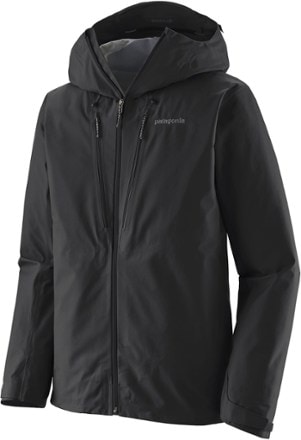
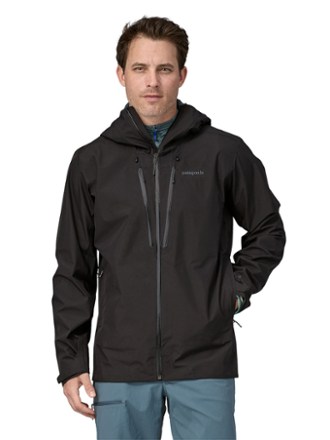
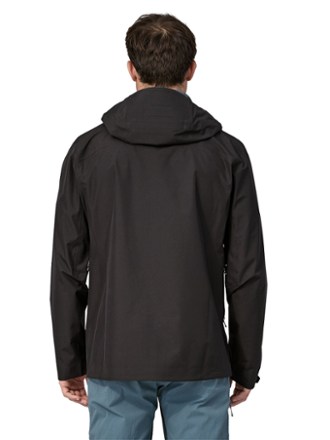
- PatagoniaTriolet Jacket - Men's$223.83 - $469.00(11)11 reviews with an average rating of 4.0 out of 5 stars
Sort: Best Match
Related Expert Advice articles
Learn which clothes to bring backpacking in order to keep your pack light while making sure you'll have everything you need.
Fabrics
- Synthetic: moisture-wicking, quick drying, durable, but can hold on to odor
- Wool: moisture-wicking, odor-resistant, cooling in warm weather, can be less durable
Styles
- Bikini: less rear coverage, thinner waistband, higher-cut leg
- Briefs (women's): full-cut briefs offer more coverage in front and back; hipsters offer medium front coverage and back with higher rise
Briefs (men's): close fit and good support, but less thigh coverage
- Boxer brief or boy shorts: snug fit, good coverage, longer cut extends down to the upper thigh
- Boxers: looser fit, added coverage can prevent chafing but prone to bunching
- Thongs: lightweight and quick-drying but provide the least coverage
- Sports bras: compression and support during high-output activities like hiking and running
Choose your fit
- Standard or straight: consistent leg width
- Slim: tighter or tapered to the leg
- Relaxed or wider: fits loosely throughout the thighs, knees and calves
What material do you prefer?
- Synthetic
- Polyester: affordable, stretchy, doesn't wrinkle
- Nylon: durable, abrasion-resistant, less stretch
- Spandex: stretchy, moves easily, less breathable
- Natural fibers
- Cotton: durable, breathable, dries slower
- Wool: stretchy, durable, odor-resistant, pricier
- Hemp: durable, renewable, not as soft
Additional features
- Moisture wicking: moves sweat to the outer surface while also drying quickly
- Pockets: zippered pockets offer more security
- Sun-protective fabric: higher UPF rating means better sun protection
- Convertible: can be worn full-length or as shorts
- Insect repellent: treated with coatings can help keep pests off
Learn how to dress your child for comfort while outdoors.
Learn how to apply a simple patch to your down jacket to prevent insulation from escaping from tears or small holes.
Key features to look for in hike clothing
- Moisture wicking: moves sweat to the outer surface while also drying quickly; that lets you break a sweat without feeling clammy or chilled
- Sun-protective fabric: Choose clothing with a UPF rating to protect yourself from harmful UV exposure; a higher rating means better sun protection
- Quick drying: materials that dry quickly keep you cool, comfortable and dry
- Insect repellent: treated with active ingredients to help keep ticks, mosquitoes and other bugs at bay
Hike clothing fabrics
- Merino wool: has fine fibers that make it soft, breathable, moisture-wicking, reasonably quick to dry and not prone to retaining odors.
- Polyester/nylon: Generally less expensive than merino wool, these synthetics excel at wicking sweat and drying fast; many incorporate recycled materials
Dress in layers
- Start with a base layer that wicks sweat off your skin; this includes underwear, a bra, hiking shirt and hiking pants
- Add a middle layer to retain body heat in colder conditions; this could be a fleece jacket, an insulated vest or puffy jacket
- An outer layer, like a rain jacket, shields you from wind and rain
Related searches