Skip to search results
loaded 2 results
NEMO Moonlite
(2 products)Products (2)
Filter
- Reclining (2)
- Backpacking (2)
- Camping (1)
- 1 to 1.49 (1)
- 1.50 to 2.99 (1)
- bluepass (2)
- Recycled Materials (2)
- 250 to 299 (1)
- 300 to 399 (1)
- Scoop (2)
- Low (2)
Sort: Best Match
View:
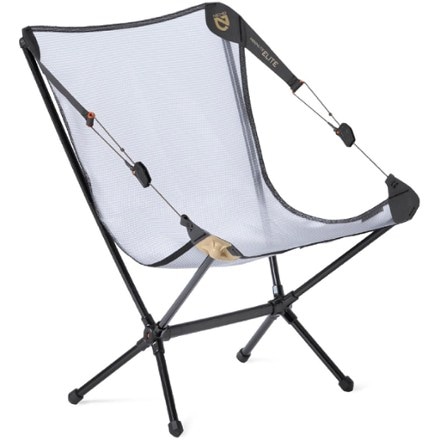
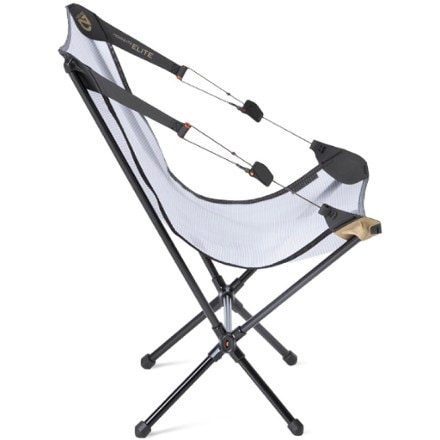
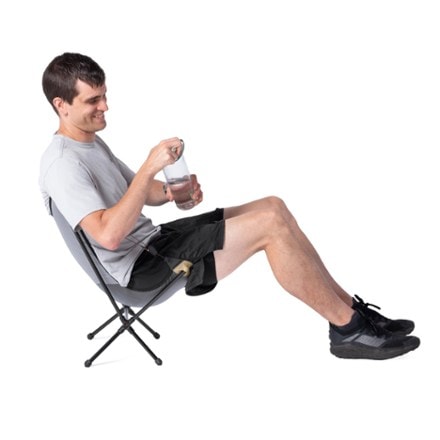
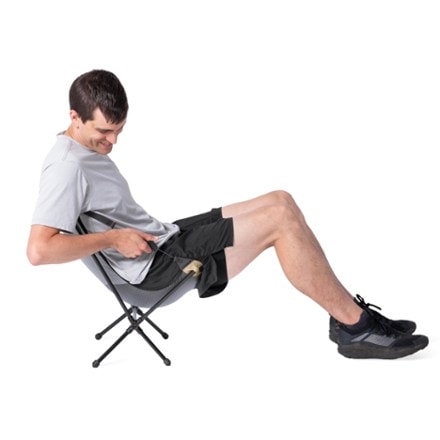
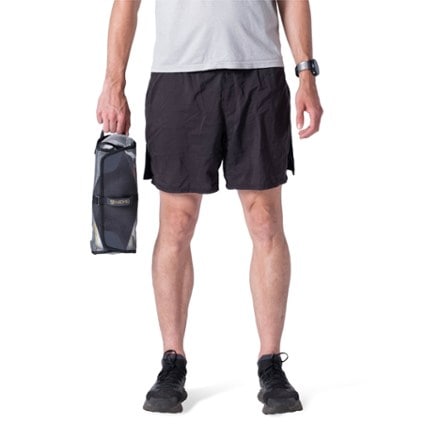
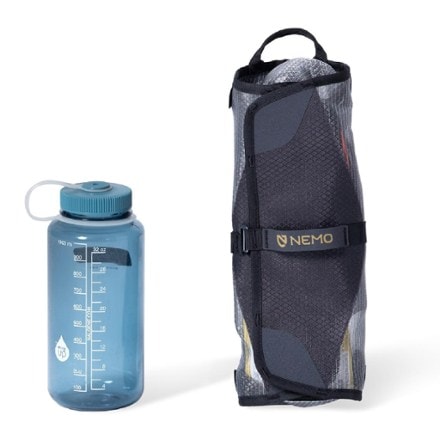
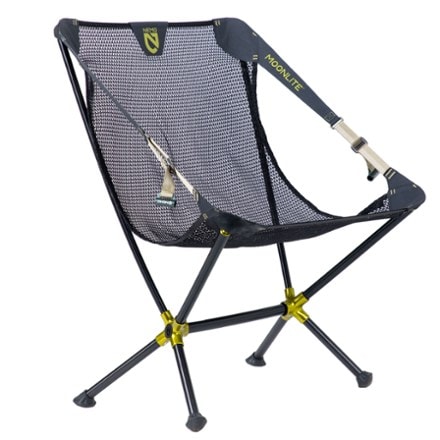
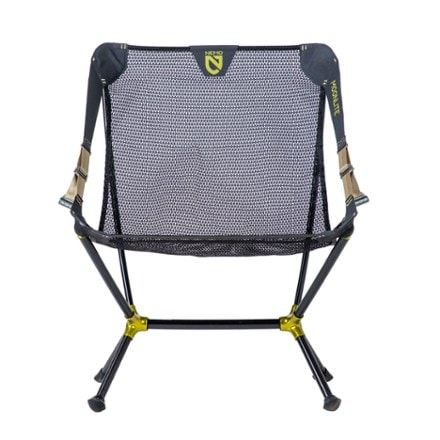
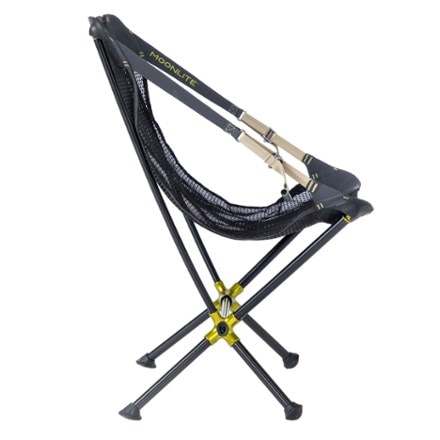
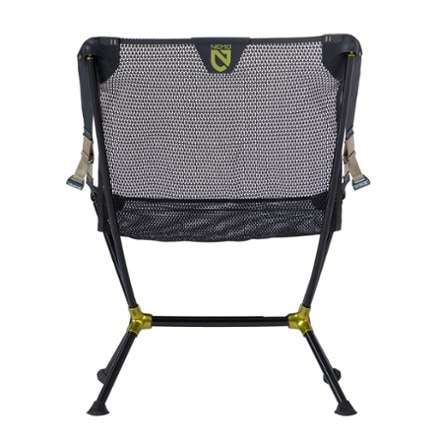
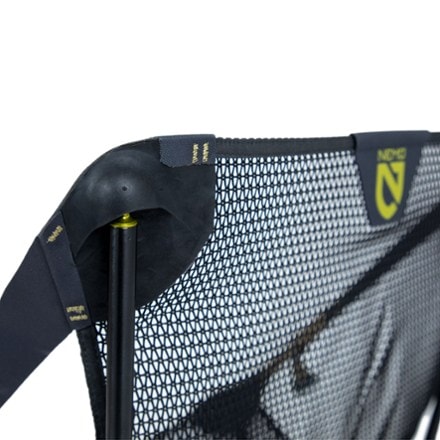
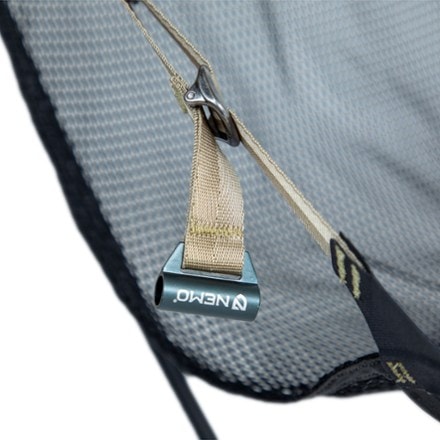
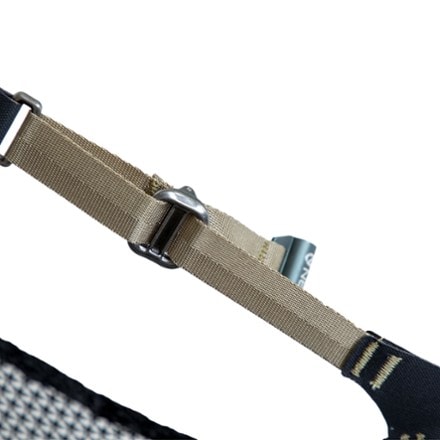
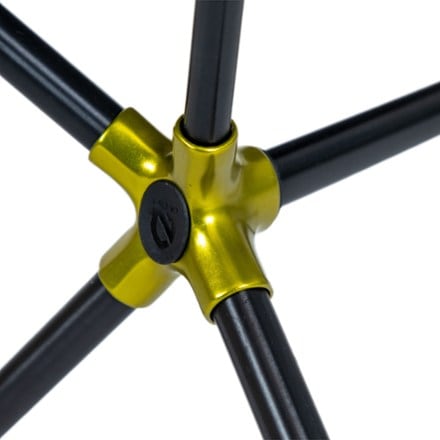
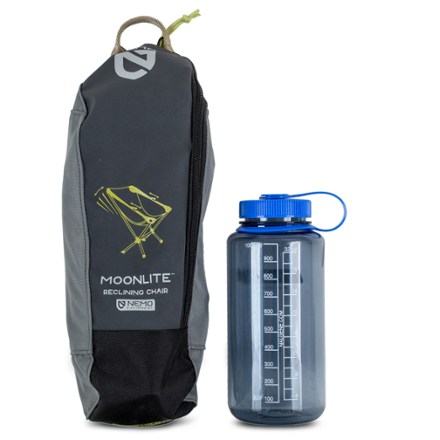
- NEMOMoonlite Elite Reclining Backpacking ChairStaff Pick$189.95(367)367 reviews with an average rating of 4.4 out of 5 stars
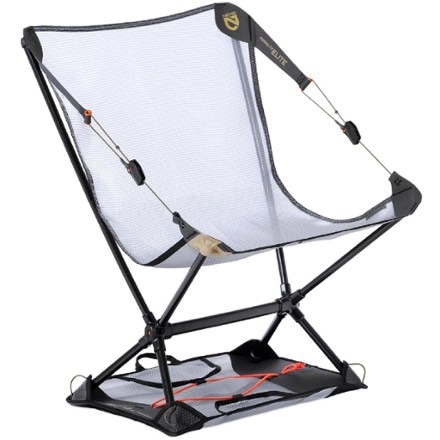
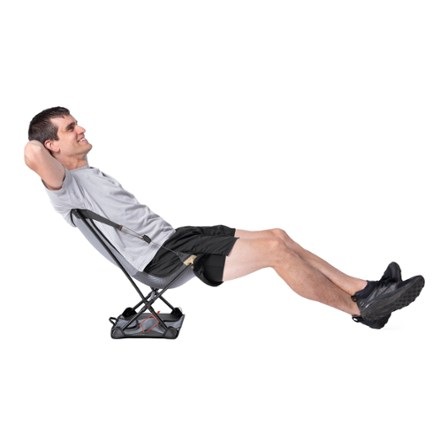
- NEMOMoonlite Reclining Camp Chair$169.95(300)300 reviews with an average rating of 4.3 out of 5 stars

Sort: Best Match
Related Expert Advice articles
Learn how to fix a broken tent pole in the field and at home with these expert tips.
Our testers sampled the best sleeping bags for backpacking. These are their four favorites.
Read full article: The 4 Best Sleeping Bags for Backpacking of 2026: Tested
When your sleeping bag won’t zip properly, the slider is often to blame. We explain how to repair or replace a worn-out zipper slider.
Where will you use the pad?
Decide how you’ll use the pad. Weight and packability will matter more if you're backpacking than if you're car camping. If you're winter camping, pick an insulated pad with warmth (or a high R-value).
What are the different types of sleeping pads?
- Air pads:. Pros: Comfortable, lightweight and packable. Cons: Generally more expensive, and can be punctured or ripped.
- Self-inflating pads. A combo of open-cell foam and air. Pros: Often quite warm. Made in a variety of thicknesses and styles. Cons: Heavier than a simple foam pad.
- Closed-cell foam pads. Pros: Cheapest option. Almost indestructible. Cons: Not super comfortable.
Decide on the warmth (R-value) you need
- Sleeping pads are rated by R-value; a higher number means more insulation.
- Match your choice to the season and weather.
- Pads with an R-value less than 2.0 are suitable for warm weather whereas those with an R-value 5.5 and greater are ideal for extreme-cold-weather.
What dimension do you need?
- Pads vary by weight, cushioning, length, width, ease of inflation and more. At a minimum, your shoulders and hips need to fit on a pad.
- Regular (typically 72 inches long) and long (typically 78-inch) pads will insulate your legs and feet.
- A short or 3/4-length pad (usually 47 or 48 inches) weighs less and packs smaller.
Read full article: How to Choose a Sleeping Pad for Camping and Backpacking
Learn to sleep soundly in a tent—whether at a campground or in the backcountry—with tips on gear, getting ready for bed and staying warm.
A dirty sleeping bag is also a less-warm sleeping bag. Learn how to properly wash it to get peak performance from the insulation again.