Skip to search results
loaded 1 results
MSR 4-season Climbing
(1 product)Products (1)
Filter
- Mountaineering (1)
- Orange (1)
- 4-season (1)
- 2-person (1)
- 2 doors (1)
- Dome (1)
- 5 to 7.99 (1)
- Freestanding (1)
Sort: Best Match
View:
LoremLorem$130 in value
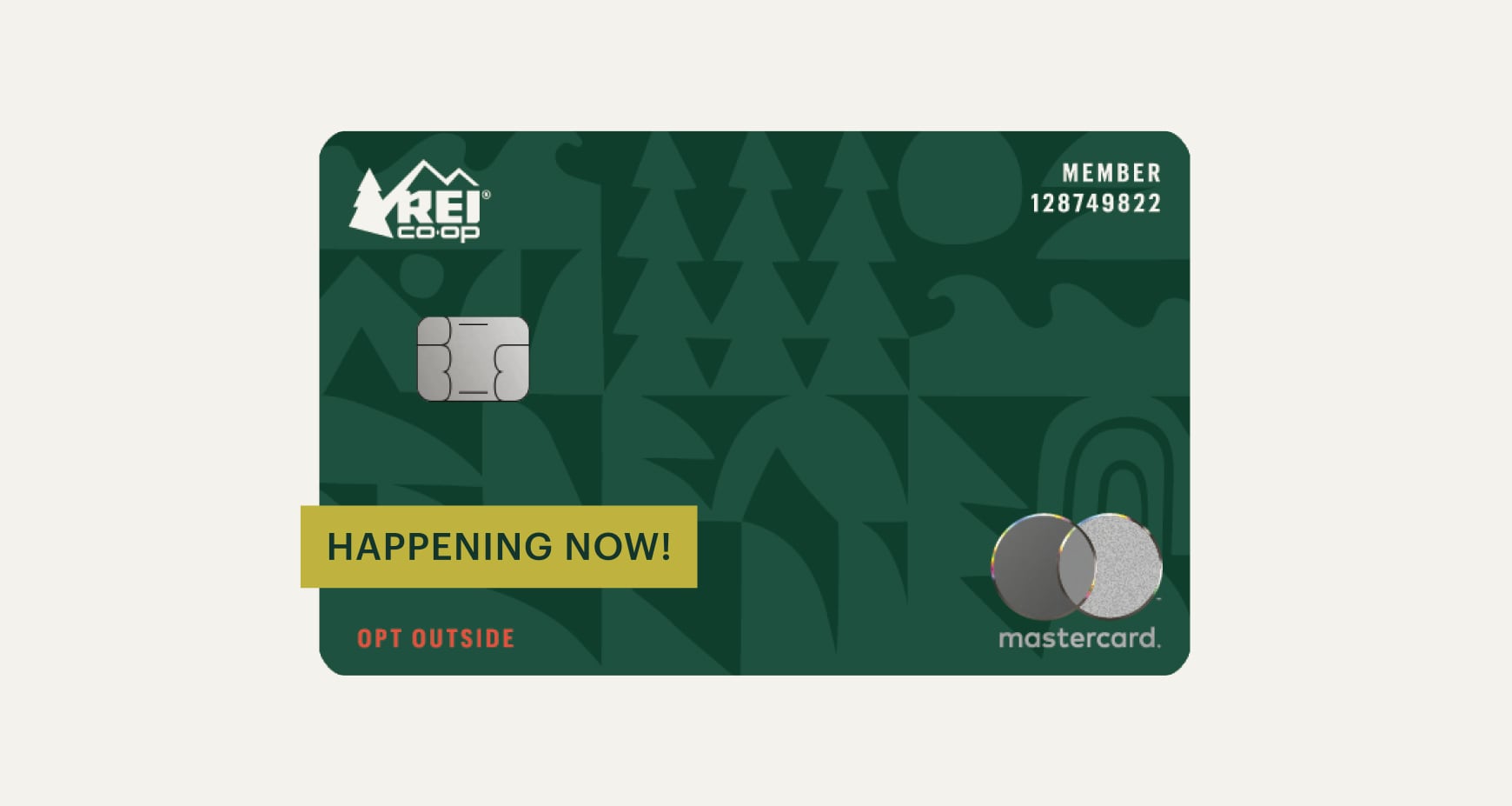
Get $30 in card rewards when you’re approved by Nov 23. Plus, earn a $100 REI gift card after your first qualifying purchase.
Apply now
Terms apply
Sort: Best Match
Related Expert Advice articles
Learn about the essential avalanche safety gear you need to carry when you venture beyond in-bounds ski areas.
Learn how to identify and avoid avalanche terrain and choose safer travel routes.
Read full article: Reducing Risk: How to Recognize Avalanche Terrain
An avalanche forecast tells you about potential slide dangers. Learn what it is, where to find it and how to read a forecast.
Types of gaiters
- Hiking: lightweight, breathable; offer basic protection against rocks, grit and light rain or snow
- Mountaineering: heavy-duty protection, added insulation for harsher conditions, often waterproof/breathable
- Trail running: lightweight and compact to keep out debris, not usually waterproof
Gaiter height
- Over-ankle: best for dry conditions, trail-running, summer hiking
- Mid-calf: 8–12 inches tall, often water resistant but best for dry or moderately wet conditions
- Knee: 15–18 inches tall, best for deep snow, wet brush, harsh or rugged conditions
What size gaiter to buy? (U.S. sizes)
- Small: women's 6.5–8.5, men's 5–7
- Medium: women's 7.5–10.5, men's 6–9
- Large: women's 9.5–10.5, men's 8–11
- Extra large: men's 10–13
What is an avalanche transceiver?
- If you recreate in snowy backcountry terrain, an avalanche transceiver is an essential safety device—along with a probe and shovel
- Transceivers help you locate someone buried in an avalanche and it helps rescuers find you if you’re buried
What features should I look for?
- Analog or digital: Most modern transceivers are digital; some are both digital and analog
- Multiple burials: Allows searchers to detect more than one buried person; most offer this feature
- Marking function: Lets a searcher to mark the location of a buried person so they can search for another one
- Display screen: Displays direction and distance to a buried person
- Range: Listed in meters (typically 40-70m), the circular range at which one transceiver can detect another
Read full article: How to Choose and Use an Avalanche Transceiver
This overview of topics covered in an avalanche rescue class introduces essential skills such as searching, probing and digging for a buried victim.