Skip to search results
loaded 1 results
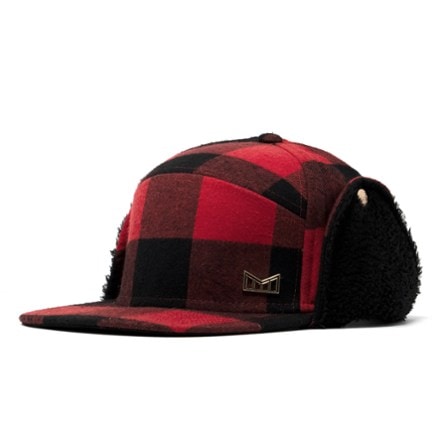
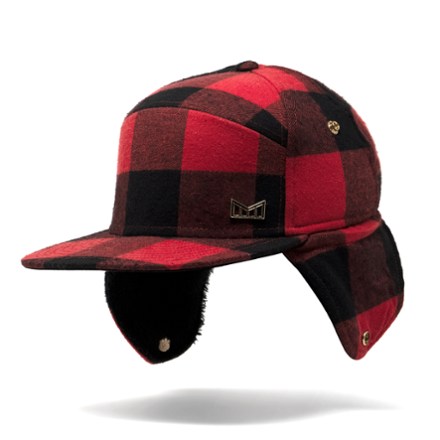
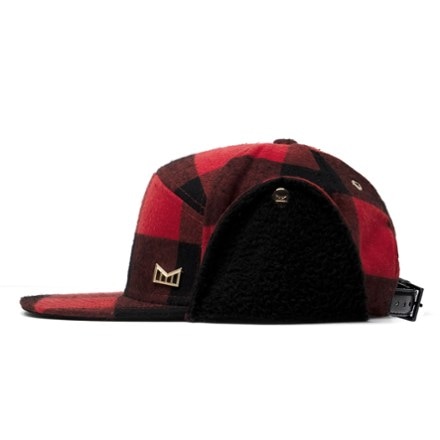
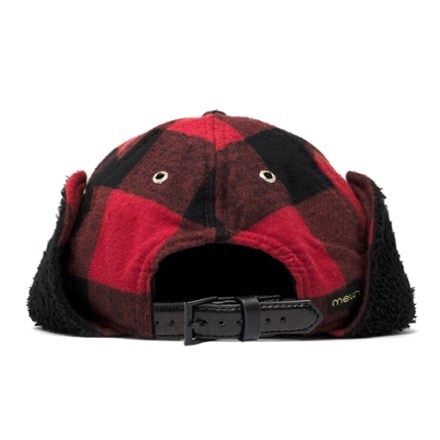
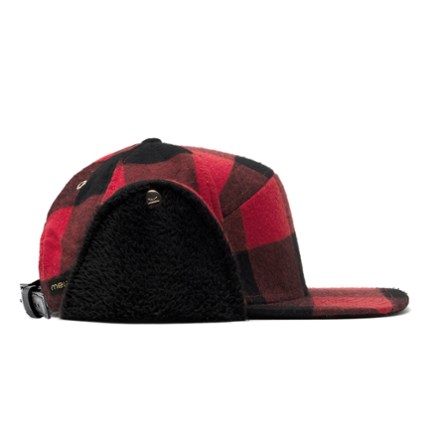
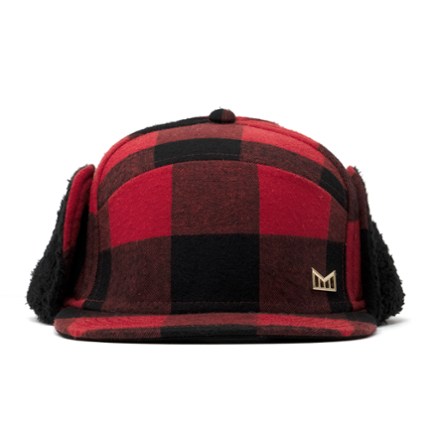
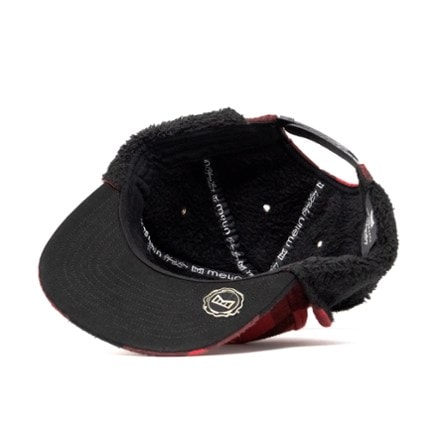
melin Earflaps Clothing
(1 product)Products (1)
Filter
- Unisex (1)
- Sun-Protective Fabric (1)
- Moisture Wicking (1)
- Earflaps (1)
- Small (1)
- Snowsports (1)
- Regular (1)
- $50.00 to $99.99 (1)
- Red (1)
- Winter Hat (1)
- Yes (1)
Related Expert Advice articles
How to Choose Hiking Socks
Select your sock height
- No-show: Little protection against skin-to-boot abrasion. Best with low-cut footwear like trail-running or light hiking shoes
- Ankle: Covers your ankle bone and offers some protection. Best for low- to mid-cut shoes and boots
- Crew: Extends a few inches above ankle bone and protects against boot abrasion. Good for boots or shoes
- Knee-high: Typically used for mountaineering, provide warmth and protection against high-cut boots
Choose your preferred cushioning level
- None: Ultralight, breathable socks designed for use in hot weather or as sock liners
- Light: Moisture-wicking and comfortable at the heel and ball of your foot; relatively thin and better for warm conditions
- Medium: Targeted cushion in the heel and ball of the foot for hiking and backpacking; warm enough for moderate to cold conditions
- Heavy: Thickest and most cushioned; best for long trips, tough terrain and cold
Select a fabric
- Choose a moisture-wicking and quick-drying material like wool, polyester or nylon.
- Spandex is often added for its elastic properties to prevent bunching or wrinkling.
- Cotton isn't recommended as it absorbs moisture, takes longer to dry and cools down quickly.
Find your fit
- Choose based on your foot size, not shoe size.
- If you're between sizes, size down to avoid excess material that can bunch up and cause blisters.
- Socks should feel snug but not tight, and the sock's heel cup should naturally line up with your heel.
A guide to merino wool, including where it comes from, what it's used for, its benefits as a material for outdoor apparel and more.
Learn which clothes to bring backpacking in order to keep your pack light while making sure you'll have everything you need.
Which material is best?
- Wool: highly moisture-wicking and odor-resistant
- Synthetic: durable and less expensive
- Silk: soft and lightweight for casual activities
Match the temp to the trek
- Lightweight layers: best for moderate to cool temperatures
- Midweight layers: best for cold temperatures
- Heavyweight layers: best for below-freezing temperatures
Find your fit
- Must be close to skin to efficiently wick sweat; should fit comfortably snug
- Base layer is for moisture control; your mid layer is for warmth
Learn about clothes that can help you hike more comfortably, and get strategies for cutting the weight and bulk of clothing in your pack.
Learn the basics of layering clothing so you can stay comfortable outdoors. Find out how to use base layers, middle layers and outer layers to stay comfortable and active.