Skip to search results
loaded 1 results
Deuter Ultralight Hiking Backpacks
(1 product)Products (1)
Filter
- Kids' Backpacks (1)
- 6 to 10 (1)
- Hiking (1)
- $50.00 to $99.99 (1)
- Ultralight (1)
- 0.5 to 0.99 (1)
- Brown (1)
- Multi-colored (1)
- Frameless (1)
- Top (1)
- Backpack (1)
- bluesign (1)
- Recycled Materials (1)
Sort: Best Match
View:
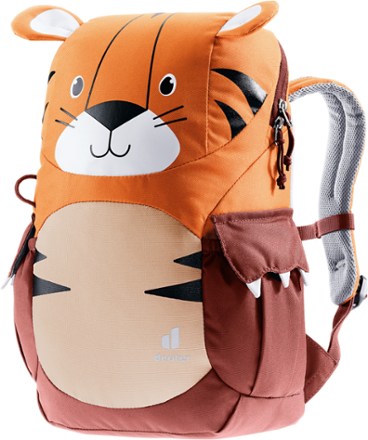
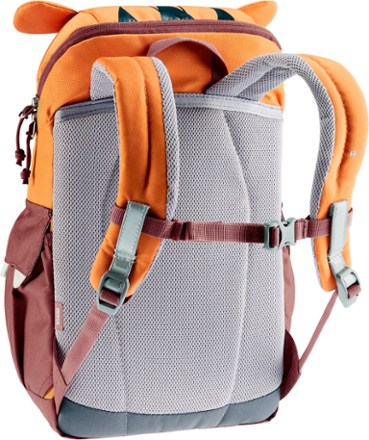
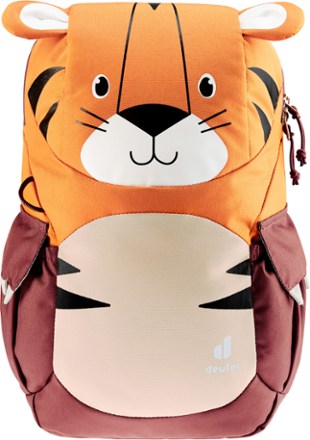
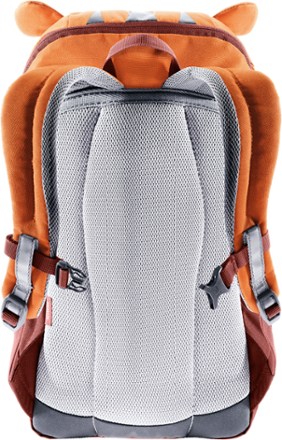
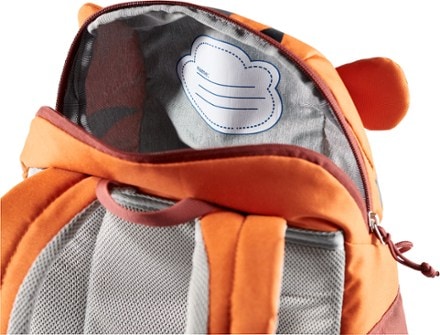
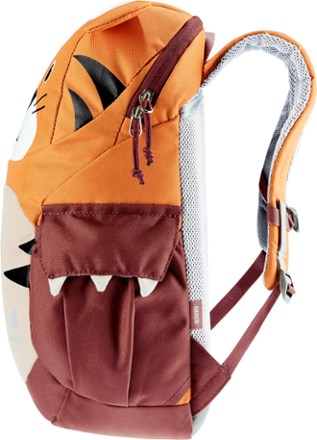
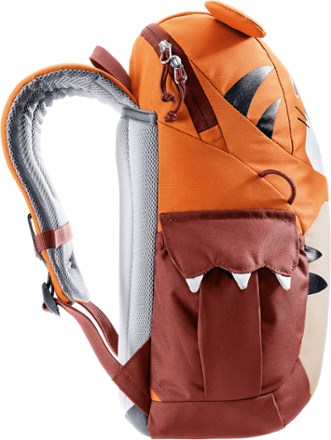
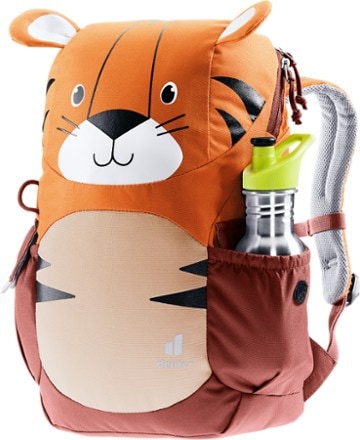
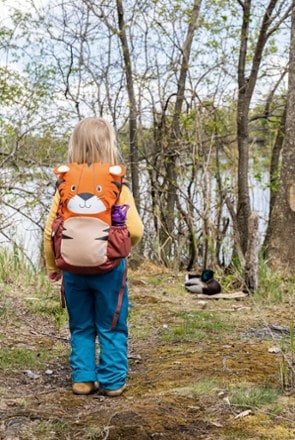
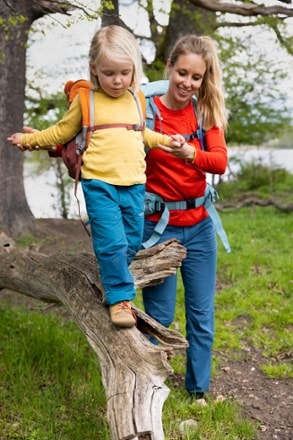
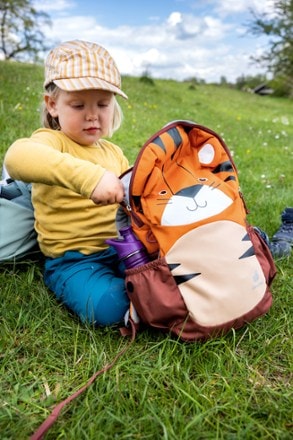
- DeuterKikki Pack - Kids'$60.00(4)4 reviews with an average rating of 5.0 out of 5 starsGear Capacity:8 litersWeight:0.69 lbs
For every trail ahead
Explore hiking boots and shoes for your terrain and your goals.
Shop hike footwear
Sort: Best Match
Related Expert Advice articles
Consider your activity
- Hiking: Often compatible with hydration reservoirs, have external gear straps/loops
- Running: Designed to limit bounce, hydration compatible
- Climbing: Slim profile, abrasion-resistant reinforcements
- Cycling: Road cycling packs compact with lower profile; MTB packs hold more gear
How much gear will you carry?
- 10L or less: Short runs, quick outings, casual use, essentials only
- 11–20L: Day hikes, cycling, can carry an extra layer
- 21–35L: Sweet spot for multi-hour or full-day hikes, travel
- 36–50L: Gear-heavy outings l(all-day hikes, climbing), winter hiking, ultralight backpacking
Internal frame or frameless?
- Internal frame: More support for heavier loads, but bulkier
- Frameless: Lighter weight and more compact, but less support
Find the right fit
Use torso length (not overall height) to find your pack size
- Measure your hip circumference (slightly higher than your pant-waist size) and check that against the hipbelt size
Capacity
Trip duration is the biggest factor. General guidance:
- Weekend (1-3 nights): 30-50 liters
- Multiday (3-5 nights): 50-80 liters
- Extended (5+ nights): 70-plus liters
Features
Consider frame type, storage, padding and ventilation.
Fit
Sizing is based on torso length (not height) and hip circumference. Sizing can vary by brand and model, so check a pack's size chart.
Finding torso length and hip circumference
- Locate your C7 vertebra by tilting your head forward and feeling for the bony bump between your shoulder blades.
- Place your hands over your hip bones. Draw an imaginary line connecting your thumbs across your lower back.
- Stand up straight. Have a friend measure from your C7 vertebra to the imaginary line between your thumbs. This is your torso length.
- To find hip size, measure around the top of your hips, using the same imaginary line you found earlier.
Learn how to measure torso length and hip size so you can get the right backpack size. Then, learn to adjust the straps for an ideal fit.
Learn the tricks for packing and hoisting your backpack, including ways to balance the load, organize gear and ensure essentials are handy.
Learn how to clean and care for your backpack so it performs better and lasts longer.
Your child is ready for a carrier backpack when:
- They can sit upright without assistance
- They weigh at least 16 pounds (6 months old or so)
- Have full head and neck control
- Your pediatrician confirms they can ride in a carrier
- Your child plus the gear in the pack weighs 48 pounds or less
You can use a child carrier for:
- Hiking on light terrain
- Backpacking
- Traveling
- Around town
- Do not use a child carrier for high-speed activities
Child carrier tips
- Never leave children unattended in child carriers
- Do not use child carriers as a chair or place on elevated surfaces
- Check your child's neck and comfort periodically
- To avoid choking, don't let your child eat while riding in the carrier
- Clip a toy to the carrier for entertainment on the trail