Skip to search results
loaded 4 results
Black Diamond Pertex Snowsports
(4 products)Products (4)
Filter
- Snowboarding (4)
- Snow Clothing (4)
- Snow Gloves (3)
- Snow Mittens (1)
- Skiing (4)
- Ski Clothing (4)
- Downhill Skiing (4)
- Deals (1)
- $50.00 to $99.99 (1)
- $100.00 to $199.99 (2)
- $200.00 to $499.99 (1)
- Insulated (4)
- Waterproof (3)
- Top Rated (2)
- Goggles Wipe (2)
- Glove Leash (2)
- Removable Liner (1)
- Snowsports (4)
- Backcountry Skiing (1)
- Mountaineering (1)
- Regular (4)
- Leather (2)
- Nylon / Nylon Blend (2)
- Bluetooth (5)
- GORE-TEX (6)
- Kevlar (1)
- Pertex (4)
- PrimaLoft (17)
- RECCO (4)
- Thermolite (1)
- Thinsulate (1)
- Full Finger (3)
- Mitten (1)
- Synthetic (4)
Sort: Best Match
View:
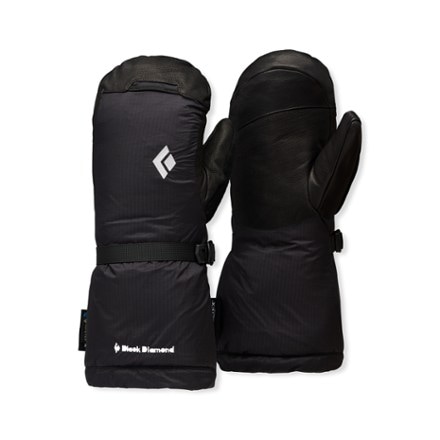
- Black DiamondAbsolute Mittens$299.95(36)36 reviews with an average rating of 4.4 out of 5 stars
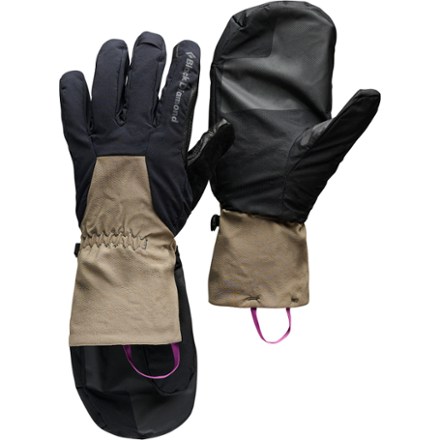
- Black DiamondCirque GlovesTop Rated$109.95(43)43 reviews with an average rating of 4.6 out of 5 stars
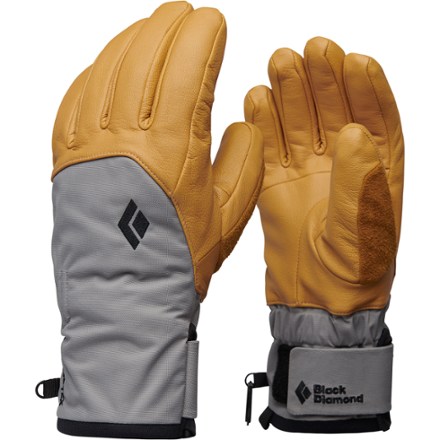
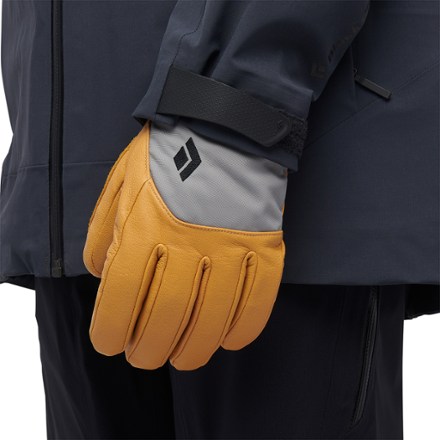
- Black DiamondLegend Gloves - Women's$159.95(7)7 reviews with an average rating of 4.1 out of 5 stars
- Black DiamondLegend Gloves - Men'sTop Rated$79.83Save 50%compared to $159.95(35)35 reviews with an average rating of 4.6 out of 5 stars
Sort: Best Match
Related Expert Advice articles
Discover our list of the 6 best gaiters at the co-op, including over-the-ankle options and knee-high options for hiking, running and mountaineering.
What type of skiing will you be doing?
- Downhill ski poles: Poles for alpine skiing help with balance and timing turns. Many are fixed length; some are adjustable.
- Backcountry ski poles: Opt for adjustable poles so you can lengthen poles when going uphill and shorten them when descending.
- Cross-country ski poles: Longer and lighter, designed to help you glide forward efficiently. Poles for skate skiing are longer than for classic skiing.
Find the right length
When looking for proper fit, consult the brand's sizing chart. For downhill skis, wear your boots and turn the poles upside down. Grip the poles just below the basket. Your elbow should form a 90° angle. If the angle is less than 90°, try a shorter pole. If the angle is greater, get a longer pole.
Pole features
- Straps: Wrist straps help retain poles during turns and falls. Some models have detachable straps for quick transitions.
- Baskets prevent poles from sinking into the snow. Choose a standard basket for most conditions, and use a larger basket for powder skiing.
Consider your main activity:
- Hiking: Compatible with hydration reservoirs; some have straps or loops to attach trekking poles or other gear.
- Running: Designed to limit bounce; compatible with water bottles or hydration reservoirs.
- Climbing: Slim profile with abrasion-resistant reinforcements.
- Traveling: Has compartments for easy organization; many meet carry-on size requirements.
How much gear will you carry?
- 20L or less: Ideal for short runs, day hikes or quick outings.
- 21–35L: The sweet spot for hiking and travel.
- 36–50L: Best for extended trips or adventures requiring more gear or clothing.
Find the right fit:
- Daypacks are available in a range of sizes.
- Check your torso length and waist against the brand's size chart for the best fit.
- Many packs feature adjustable torso lengths to fine-tune your fit.
What is an avalanche transceiver?
- If recreate in snow in the backcountry, a transceiver is an essential safety device, along with a probe and shovel.
- Transceivers help you locate a person buried in an avalanche or others find you if you’re buried.
What features should I look for?
- Analog or digital: Most modern transceivers are digital, though some are both digital and analog.
- Multiple burials: Enables searchers to pick up multiple buried victims. Most brands offer multiple burial tracking, even in basic models.
- Marking function: Allows the searcher to mark or "flag" the location of each buried person.
- Display screen: Shows direction and distance to a buried person. Premium models may have larger, high-contrast screens.
- Range: Brands will list in meters the circular range (typically 40 to 70) in which one transceiver can sense others’ signals.
Read full article: How to Choose and Use an Avalanche Transceiver
Snowshoeing is an easy, fun and relatively low-risk winter activity—as long as you follow a few basic guidelines about avoiding avalanches.
This overview of topics covered in an avalanche rescue class introduces essential skills such as searching, probing and digging for a buried victim.