ALPS Mountaineering Ultralight Camping and Hiking
(1 product)- Sleeping Gear (1)
- Sleeping Bags (1)
- Camp Quilts (1)
- Deals (1)
- Camping (1)
- Backpacking (1)
- Water-Resistant Down (1)
- Ultralight (1)
- 1 to 1.49 (1)
- Red (1)
- 3-season (1)
- Down (1)
- Mummy (1)
- 20 to 39 degrees (1)
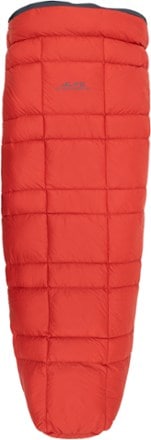
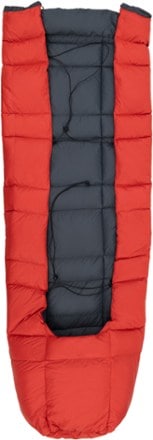
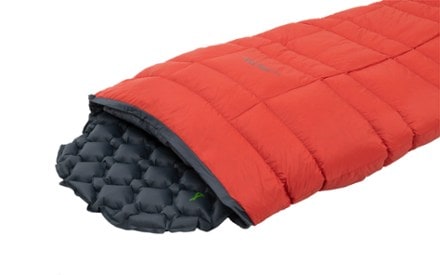
- ALPS MountaineeringPinnacle Quilt 35$128.73Save 35%compared to $199.99(4)4 reviews with an average rating of 3.0 out of 5 starsREI OUTLET
Related Expert Advice articles
How will you use the chair?
If you plan to take it backpacking, consider its weight and packed size.
For car camping, picnicking or sitting in your backyard, pick a premium chair that's as big and plush as you'd like.
Chairs for backpacking
Stools: These are the lightest and simplest option. They don't have a back rest.
Scoop: These resemble a sling and offer a good compromise between lightness and comfort.
- Legless: A clamshell-like mat that opens into a chair. Lightweight and packable.
Chairs for camping
Classic: Has four legs, a straight back and a flat seat. Affordable, stable and typically high enough to sit and stand with ease.
Low: A chair with four short legs that’s good on uneven ground.
Suspended: A newer, pricier style that suspends the sitter from the chair frame.
Features to consider
Price typically reflects frame quality and materials used, with lighter options often costing more.
Pay attention to extras such as cup holders, footrests, head and lumbar pads.
Read full article: The 5 Best Wide Sleeping Pads of 2025: Tested
Read full article: The Best Sleeping Pads for Camping: Tested
Where will you use the pad?
Decide how you’ll use the pad. Weight and packability will matter more if you're backpacking than if you're car camping. If you're winter camping, pick an insulated pad with warmth (or a high R-value).
What are the different types of sleeping pads?
- Air pads. Pros: Comfortable, lightweight and packable. Cons: Generally more expensive. Can be punctured or ripped.
- Self-inflating pads. A combo of open-cell foam and air. Pros: Often quite warm. Made in a variety of thicknesses and styles. Cons: Heavier than a simple foam pad.
- Closed-cell foam pads. Pros: Cheapest option. Almost indestructible. Cons: Not super comfortable.
Decide on the warmth (R-value) you need
- Sleeping pads are rated by R-value; a higher number means more insulation.
- Match your choice to the season and weather.
- Pads with an R-value less than 2.0 are suitable for warm weather whereas those with an R-value 5.5 and greater are ideal for extreme-cold-weather.
What dimension do you need?
- Pads vary by weight, cushioning, length, width, ease of inflation and more. At a minimum, your shoulders and hips need to fit on a pad.
- Regular (typically 72 inches long) and long (typically 78-inch) pads will insulate your legs and feet.
- A short or 3/4-length pad (usually 47 or 48 inches) weighs less and packs smaller.
Read full article: How to Choose a Sleeping Pad for Camping and Backpacking