Skip to search results
loaded 43 results
Men's Skis
(43 products)Products (43)
Sort: Best Match
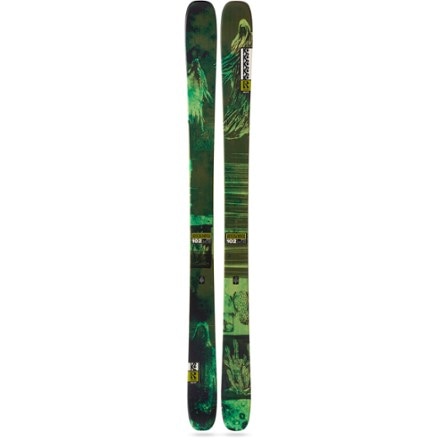
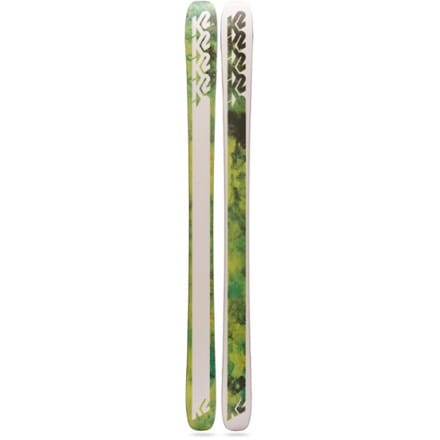
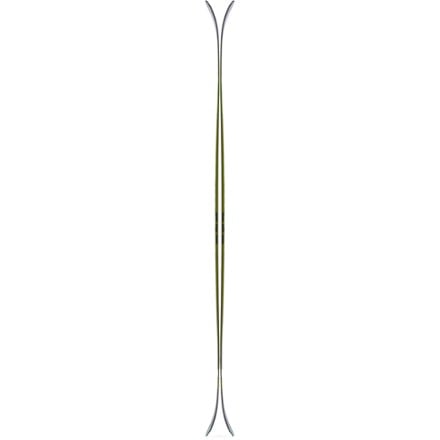
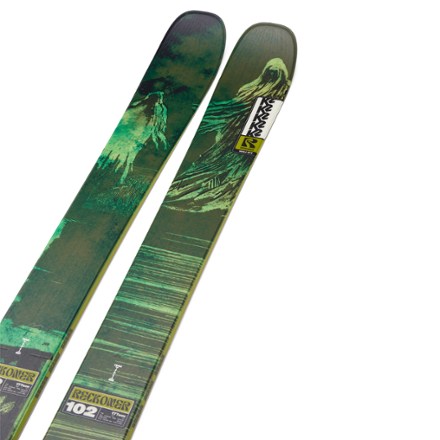
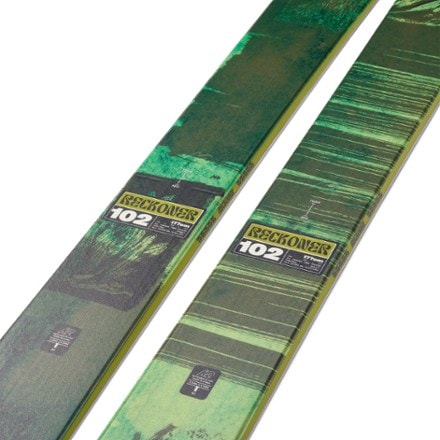
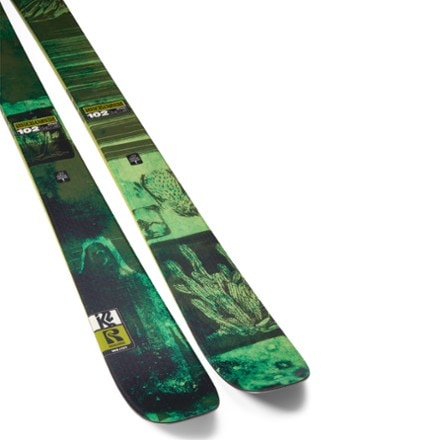
- K2Reckoner 102 Skis - Men's - 2025/2026$519.93Save 20%compared to $649.95Terrain:Groomed and powderWaist Width:102 mmSidecut Radius:17.7 m
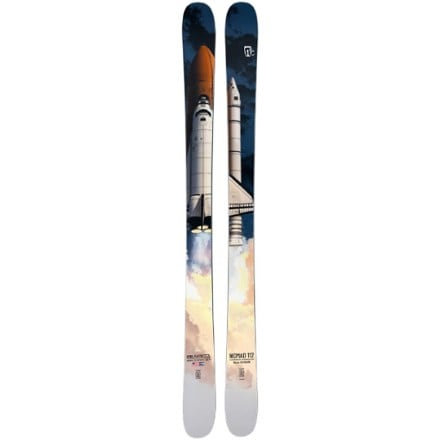
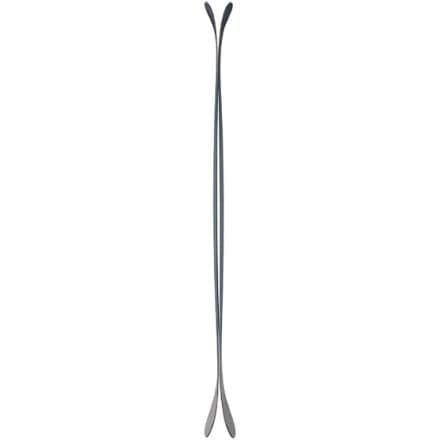
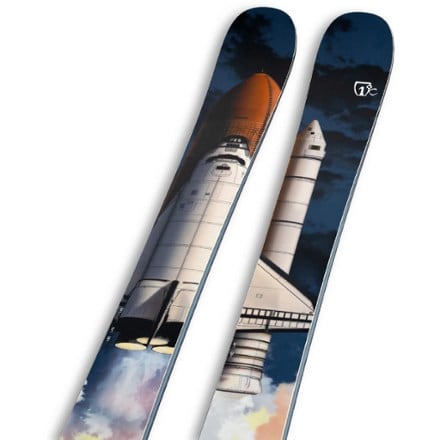
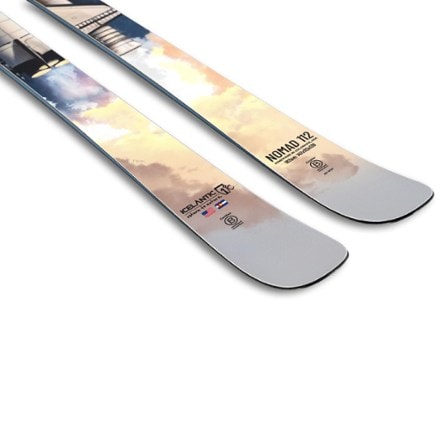
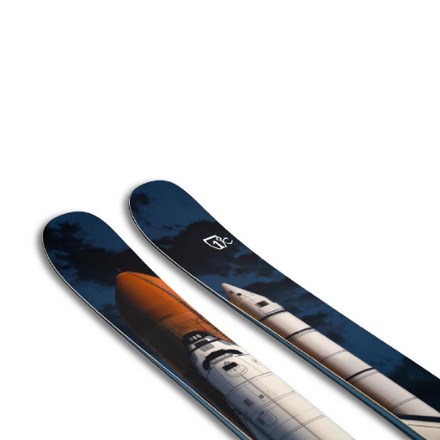
- Icelantic SkisNomad 112 Skis - Men's - 2026/2027$899.00Terrain:PowderWaist Width:112 mm
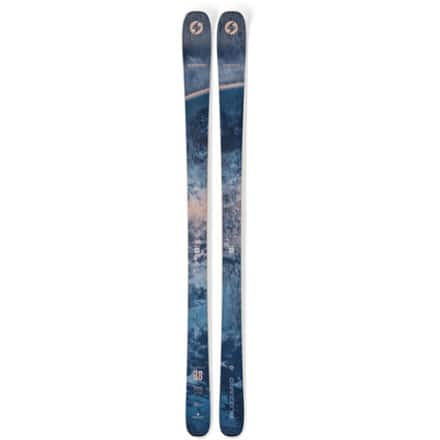
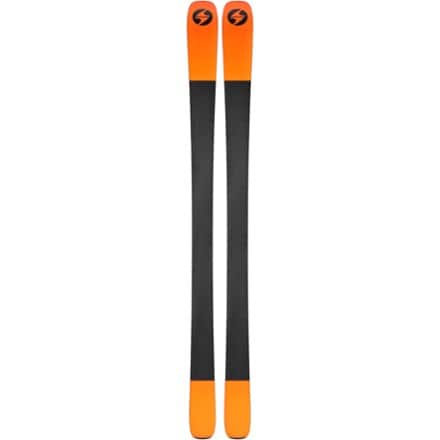
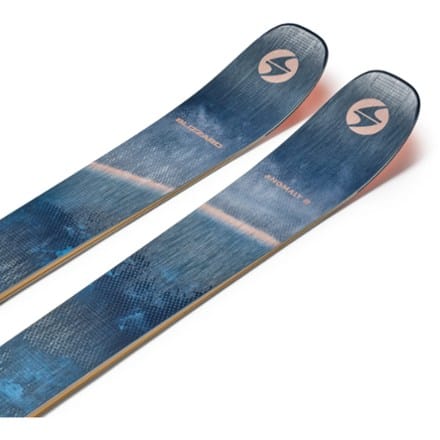
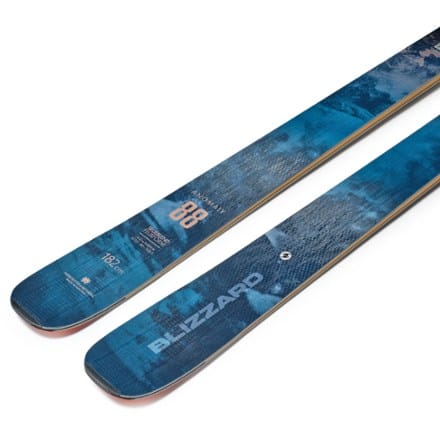
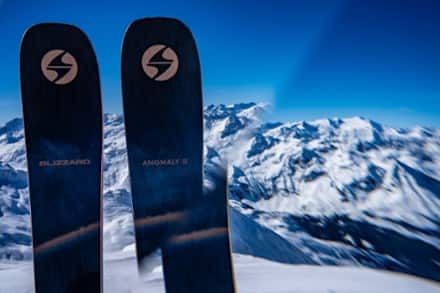
- BlizzardAnomaly 88 Skis - Men's - 2026/2027$749.95Terrain:GroomedWaist Width:88 mmSidecut Radius:15 to 17.5 m
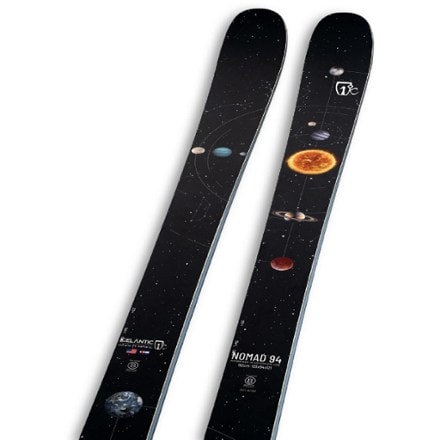
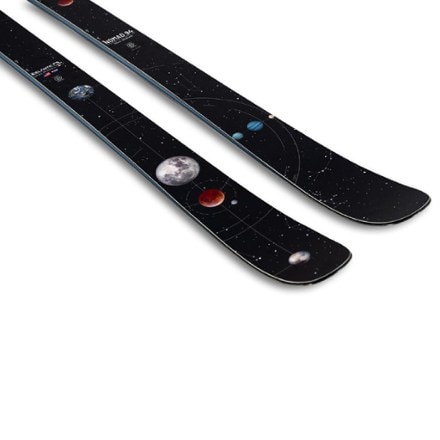
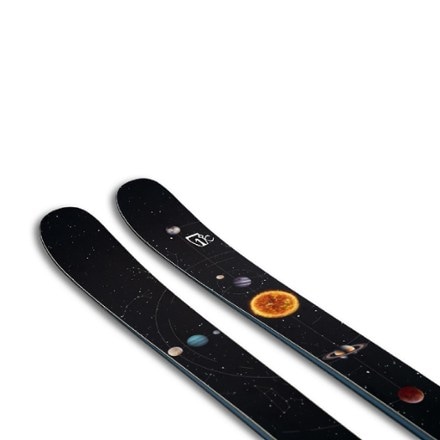
- Icelantic SkisNomad 94 Skis - Men's - 2026/2027$799.00Terrain:Groomed and powderWaist Width:94 mmSidecut Radius:16 to 19 m
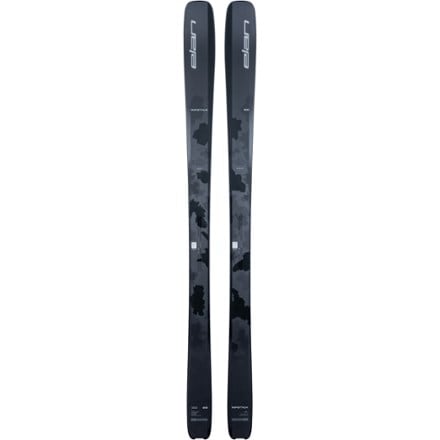
- ElanRipstick 88 Skis - Men's - 2026/2027$749.99Terrain:GroomedWaist Width:87 to 88 mmSidecut Radius:13.8 to 15.8 m
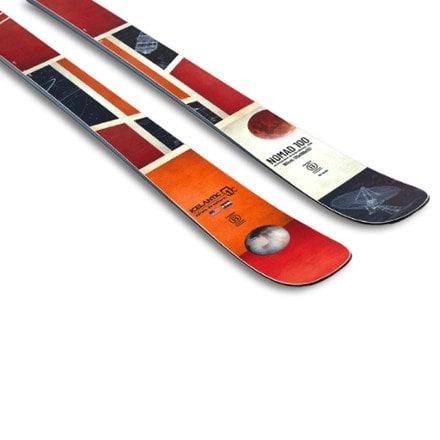
- Icelantic SkisNomad 100 Skis - Men's - 2026/2027$849.00Terrain:Groomed and powderWaist Width:100 mmSidecut Radius:16 to 19 m
- ElanRipstick 96 Skis - Men's - 2026/2027$799.99Terrain:Groomed and powderWaist Width:94 to 96 mmSidecut Radius:15.8 to 17.8 m
- ElanRipstick 102 Skis - Men's - 2026/2027$849.95Terrain:Groomed and powderWaist Width:114 to 118 mmSidecut Radius:16.8 to 18.8 m
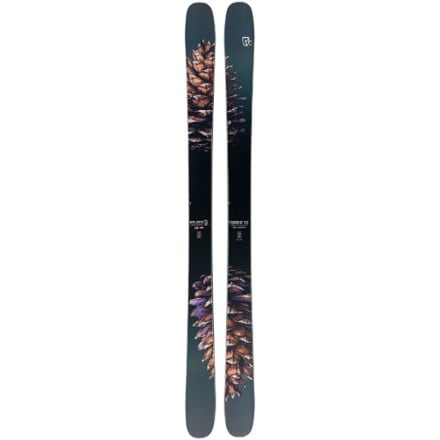
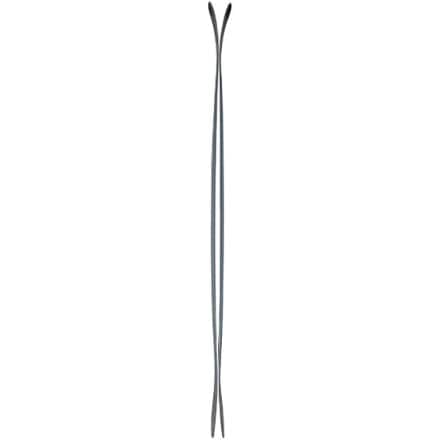
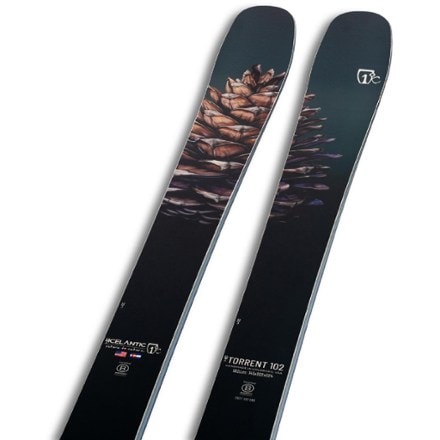
- Icelantic SkisTorrent 102 Skis - Men's - 2026/2027$879.00Terrain:Groomed and powderWaist Width:102 mmSidecut Radius:18 to 20.5 m
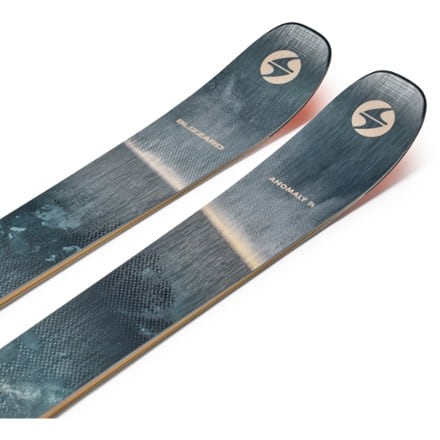
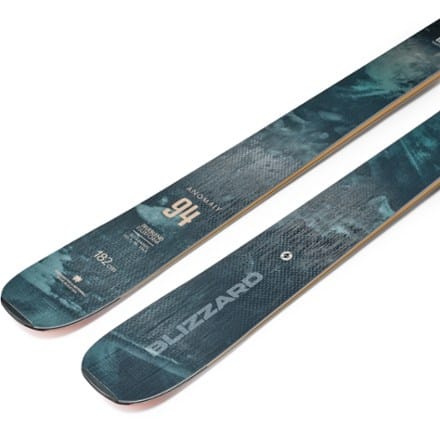
- BlizzardAnomaly 94 Skis - Men's - 2026/2027$799.95Terrain:Groomed and powderWaist Width:94 mmSidecut Radius:16 to 18.5 m
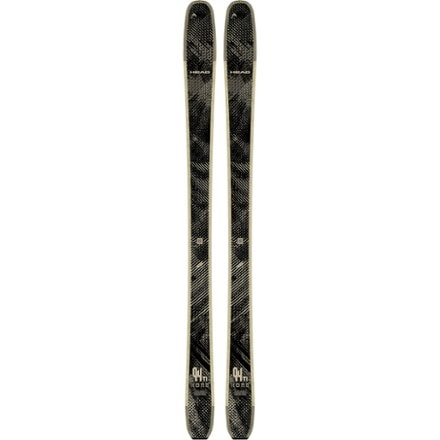
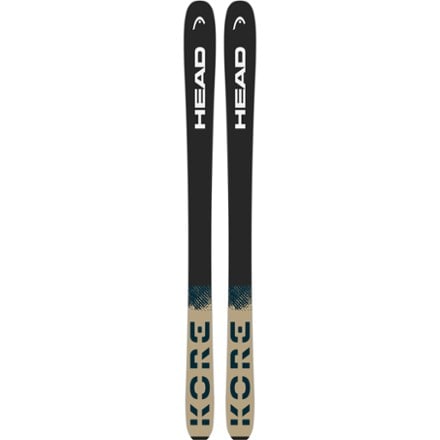
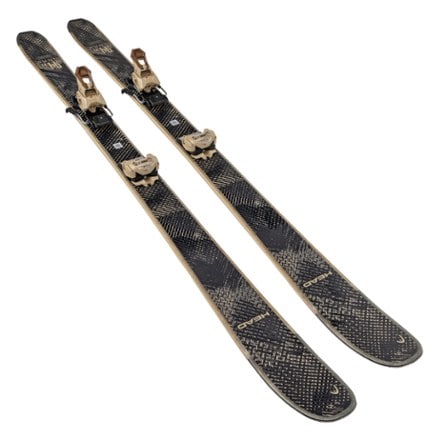
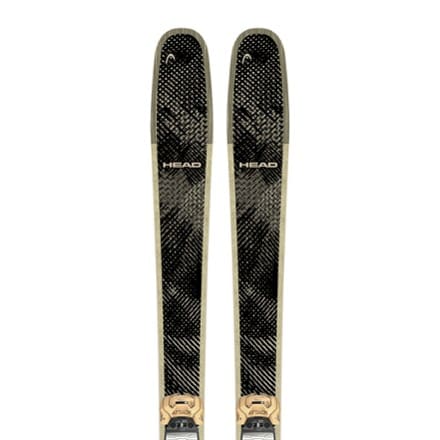
- HeadKore 94 Ti Skis - Men's - 2026/2027New arrival$799.00Terrain:Groomed and powderWaist Width:91 to 94 mmSidecut Radius:11.8 to 16.3 m
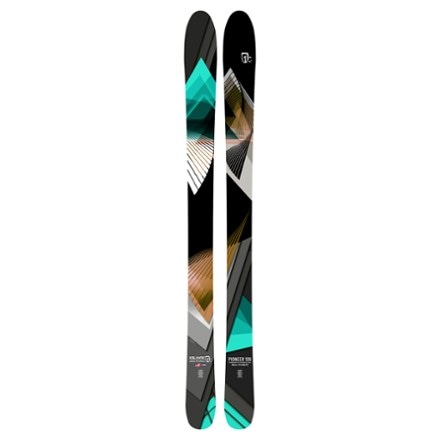
- Icelantic SkisPioneer 109 Skis - Men's - 2025/2026$526.93Save 40%compared to $879.00Terrain:Groomed and powderWaist Width:109 mmSidecut Radius:17 m
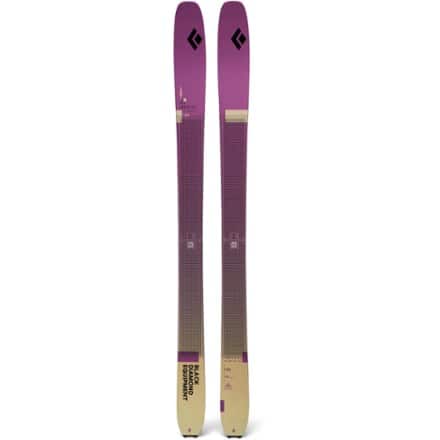
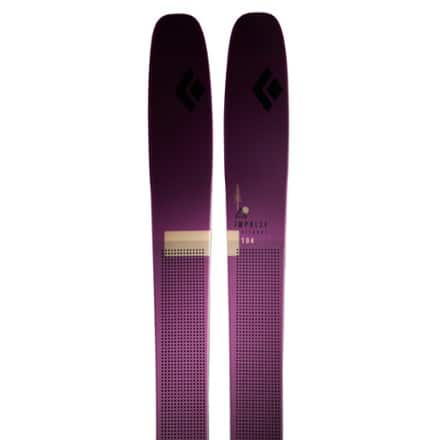
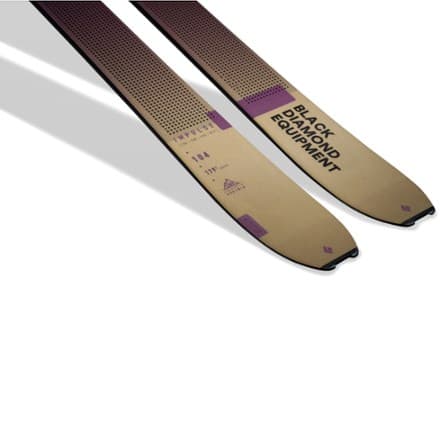
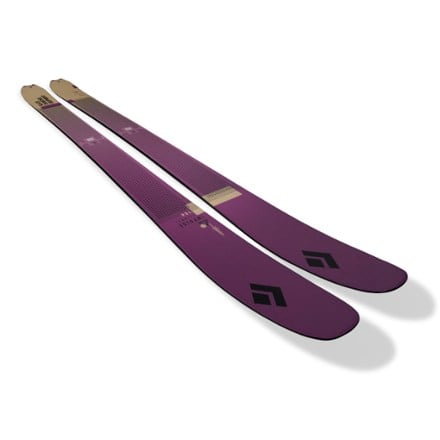
- Black DiamondImpulse Ti 104 Skis - Men's - 2026/2027$1,099.95Terrain:Groomed and powderWaist Width:104 mmSidecut Radius:18 to 19 m
31–43 of 43 products
Sort: Best Match