Skip to search results
loaded 1 results
Pedal Powered Kayaks
(1 product)Products (1)
Filter
- Old Town (1)
- 1-person (1)
- Flatwater Kayaking (1)
- Fishing (1)
- 12 to 14 (1)
- 100 to 1000 (1)
- 200 to 249 (1)
- Blue (1)
- Pedal Powered (1)
- Made in USA (1)
- $5000 and above (1)
- Rudder (1)
- None (1)
Sort: Best Match
View:
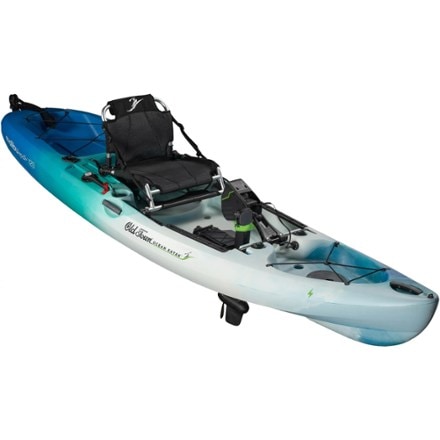
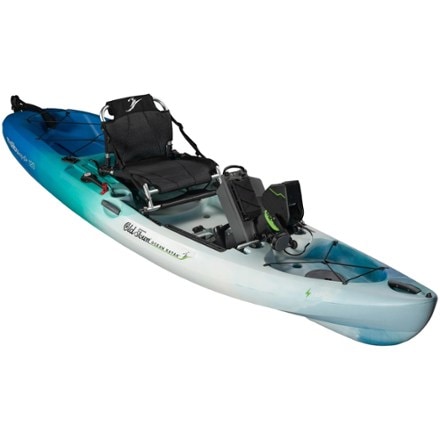
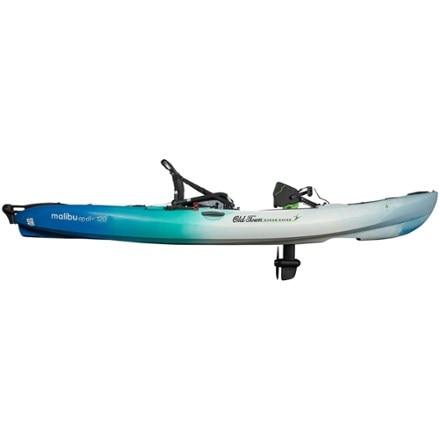
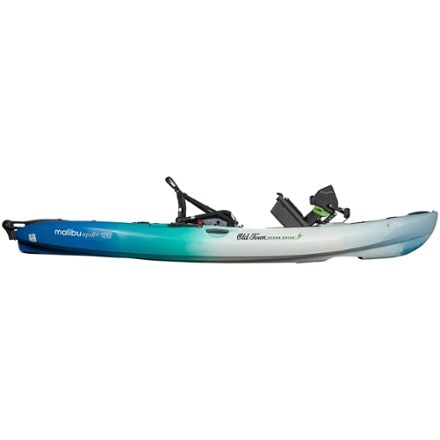
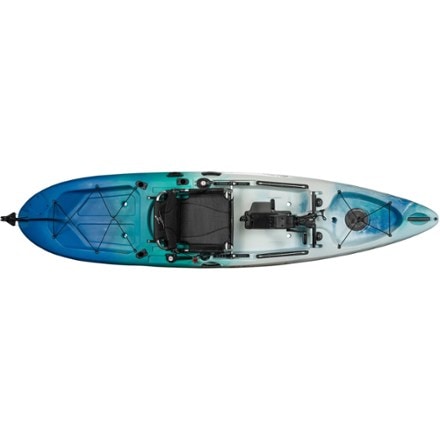
- Old TownOcean Kayak Malibu ePDL+ 120 Kayak$5,499.95(1)1 reviews with an average rating of 5.0 out of 5 starsLength:12 feetWeight Capacity:223 lbs.Hull Construction:Polyethylene PlasticWeight:126 lbs.
New from BOTE
Inflatable kayaks, chairs, shades and more essential gear for your day on the water.
Shop now
LoremLoremSavings to get you out on the water
Save 15% on full-price paddles and PFDs with your kayak, stand up paddle board or packraft purchase.
Learn more
Give the gift of the outdoors
Members, get a $15 bonus e-card when you buy a $150+ gift card. Terms apply.
Shop gift cards
LoremLorem$130 in value
Get $30 in card rewards when approved by Sep 7. Plus, earn a $100 REI gift card after first qualifying purchase. Terms apply.
Apply now
Sort: Best Match
Related Expert Advice articles
Paddle length
- The wider your kayak, the longer your paddle needs to be
- Your height is also a factor, especially for a narrower boat; taller paddlers need longer paddles
Shaft material
- Lightweight materials improve performance but add to the price
- Carbon fiber is the lightest and most expensive compared with composite
Paddle style
- High-angle paddles have shorter, wider blades for faster, more precise strokes
- Low-angle options are common for recreational kayaking in flatwater
Shaft type
- A bent shaft or feathered blades can also improve a paddle's effectiveness.
- Two-piece or four-piece: A four-piece has shorter sections so it's more portable
For your next overnight or multiday paddle trip, check out these tips and test out our simple and delicious recipe: savory pancakes.
Read full article: Kayak Camping Meal: Savory Pancakes Recipe
Read all about how to pack a canoe or kayak for proper trim and gear access; then check out our diagrams of where to place items by weight.
Kayaking with kids may seem like a daunting proposition, but our tips will help you and your kids have a great time on the water.
Learn how to exit and reenter a kayak after capsizing. Practicing these techniques will increase your confidence during any paddling trip.
Where in the boat do you want to sit?
- Sit-in kayaks move fast, track straight with covered cargo compartments. Good for paddling to a destination and in cooler conditions.
- Sit-on-top kayaks are easy to get on, self-draining and less confining. Best for easy flowing waters and warmer conditions.
What category of kayak is best for you?
- Recreational: Affordable, stable, easy to use and simple to turn. Best for shorter outings.
- Day touring: Sleeker and more efficient. Easier to transport and handle than touring models but often pricier.
- Touring: Ideal for long distances, tracks and handles wind and currents well with more storage—but at higher cost.
- Specialty: Includes folding, inflatable, tandem and pedal-powered models. Great for limited storage or specific activities like fishing.
Where do you want to paddle?
- Calm waters (lakes): Any sit-on-top or recreational sit-in kayak is a fun choice.
- Flowing rivers (no technical rapids): Choose a short, stable recreational or day-touring model.
- If dealing with wind, waves, currents and tides: Look for a sit-in touring kayak with a rudder or fin. A sit-on-top is a good choice if you don’t mind getting wet.