Skip to search results
loaded 1 results
Thinsulate Footwear
(1 product)Products (1)
Filter
- Women's Footwear (1)
- Women's Boots (1)
- Boots (1)
- Winter Boots (1)
- Kamik (1)
- Women's (1)
- 10 (1)
- Snowsports (1)
- Casual (1)
- Regular (1)
- Waterproof (1)
- Insulated (1)
- COOLMAX (55)
- GORE-TEX (367)
- Indestructawool (54)
- Kevlar (22)
- Omni-Grip (22)
- Vibram (538)
- Vibram Megagrip (290)
- Bluetooth (4)
- Boa (15)
- COOLMAX (55)
- DryVent (22)
- Dyneema (9)
- eVent (5)
- GORE-TEX (367)
- GORE-TEX SURROUND (3)
- Heatseeker (9)
- Indestructawool (54)
- Kevlar (22)
- Omni-Grip (22)
- Omni-Heat (4)
- Omni-Shield (4)
- Omni-Tech (15)
- OutDry (7)
- Pertex (3)
- PrimaLoft (19)
- RECCO (1)
- ThermoBall (13)
- Thinsulate (1)
- Traxion (1)
- Vibram (538)
- Vibram Arctic Grip (6)
- Vibram Megagrip (290)
- Lace-up (1)
- Mid-calf (1)
- Brown (1)
- 1.50 to 2.99 (1)
Sort: Best Match
View:
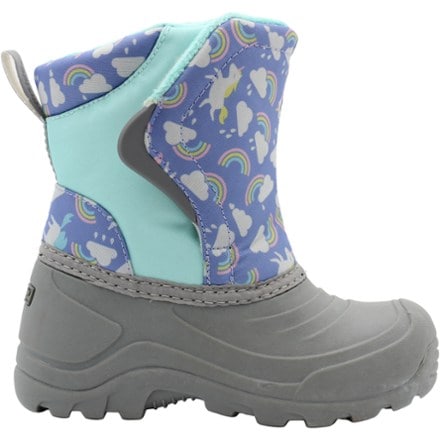
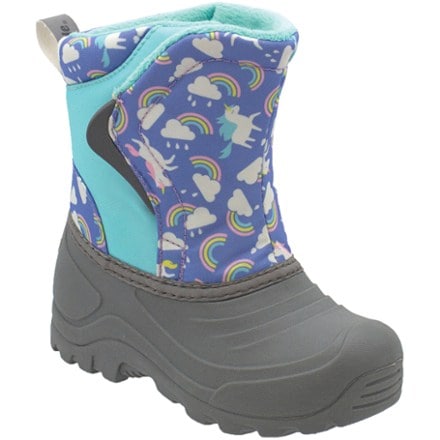
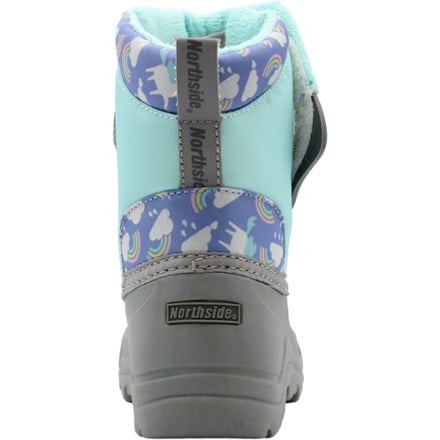
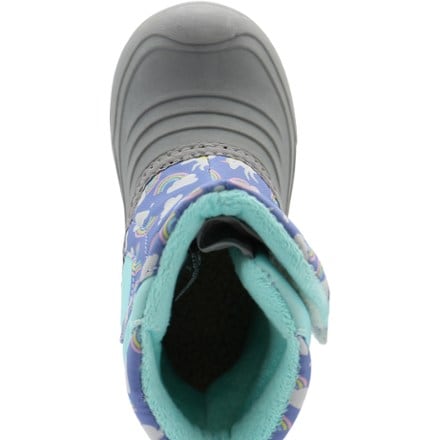
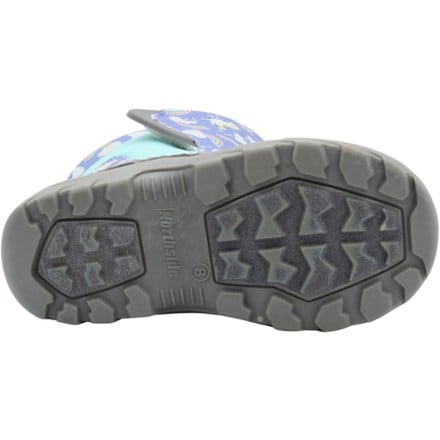
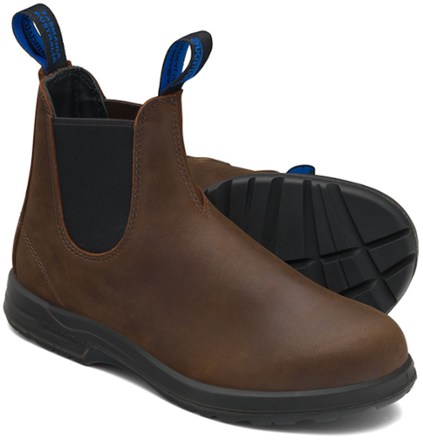
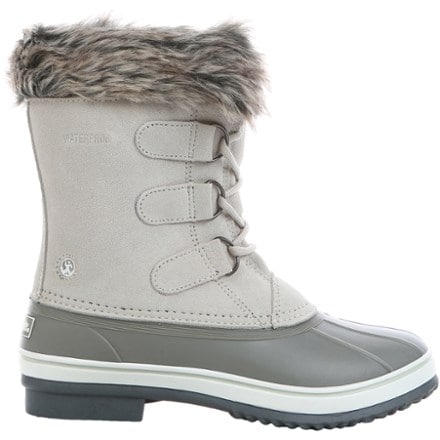
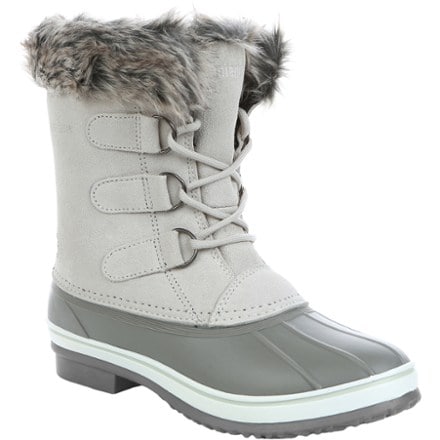
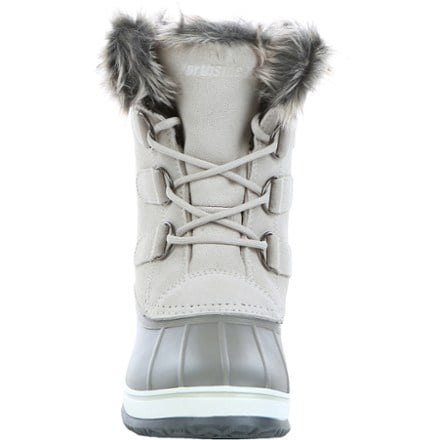
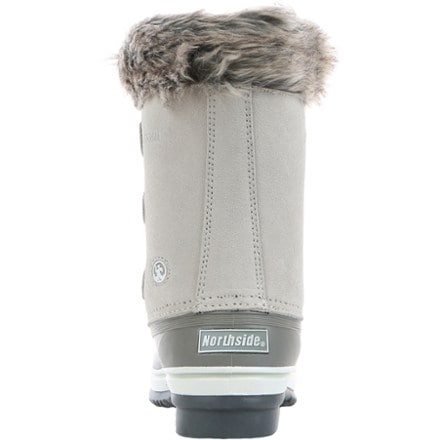
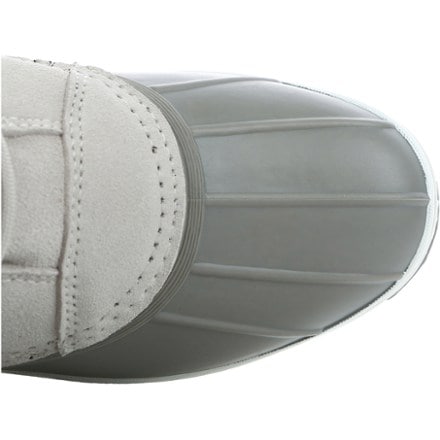
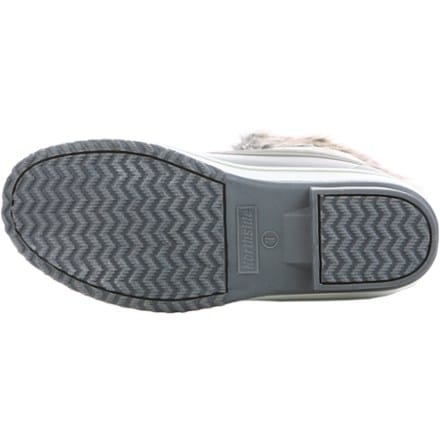
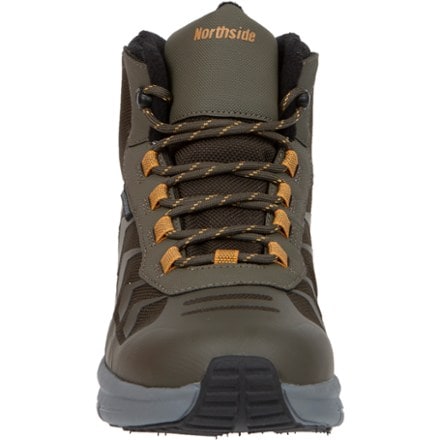
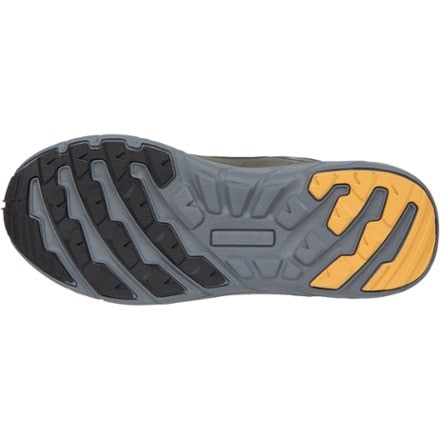
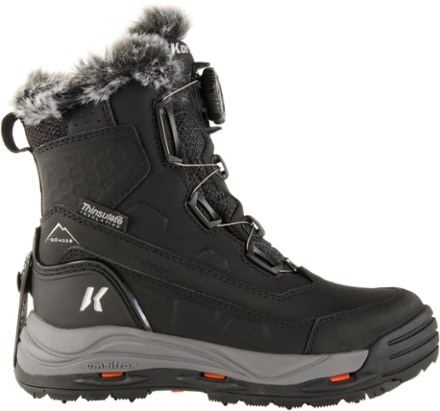
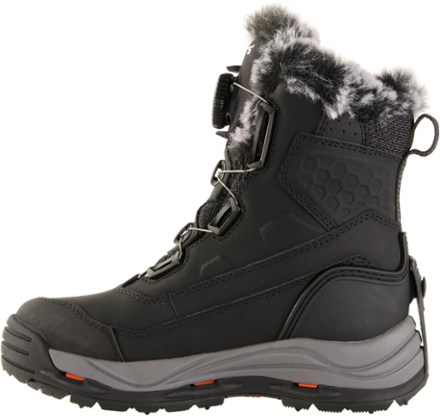
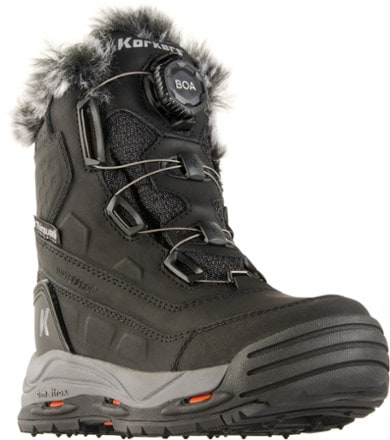
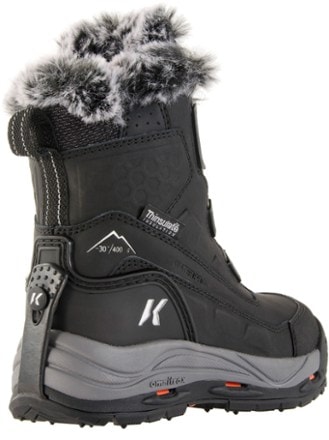
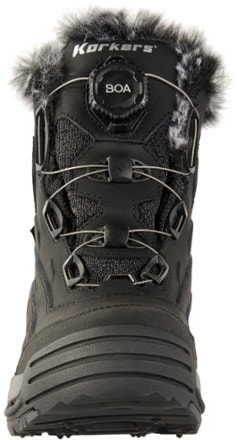
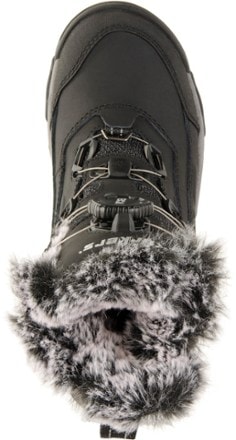
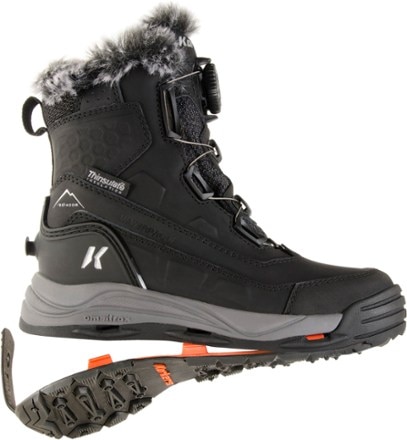
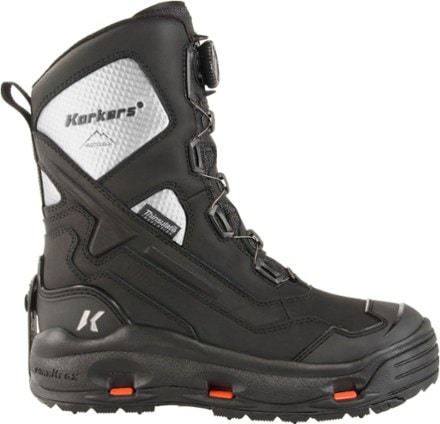
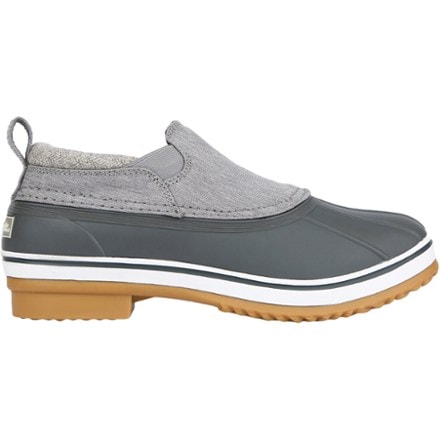
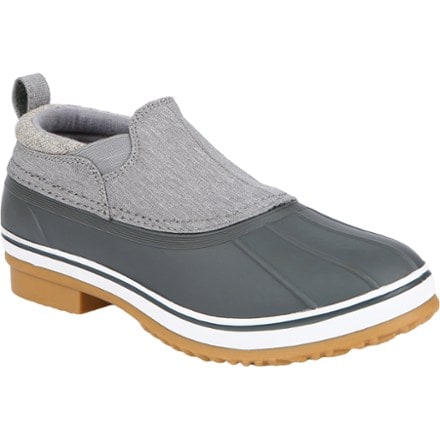
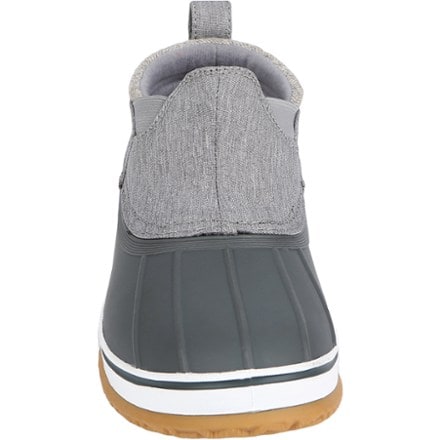
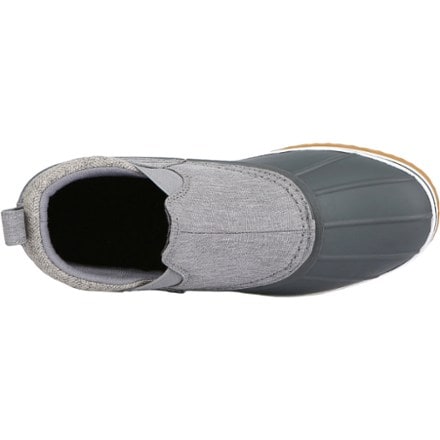
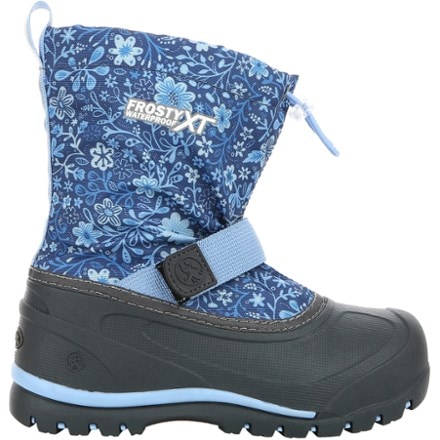
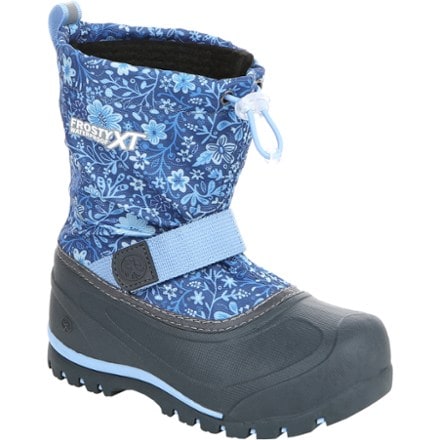
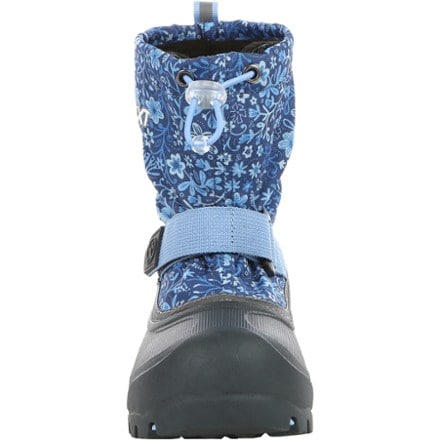
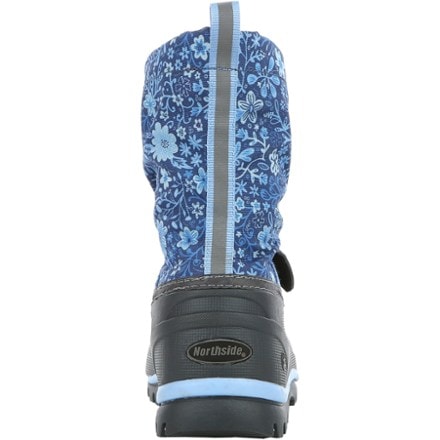
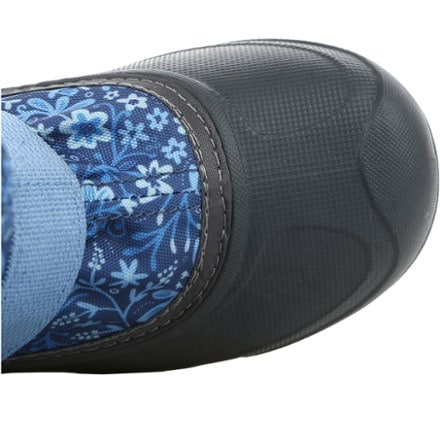
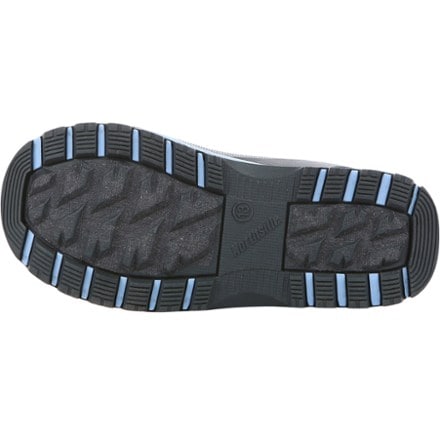
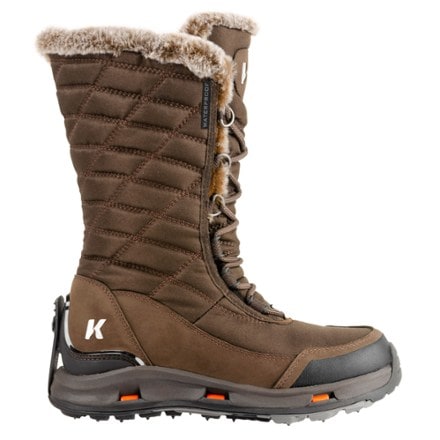
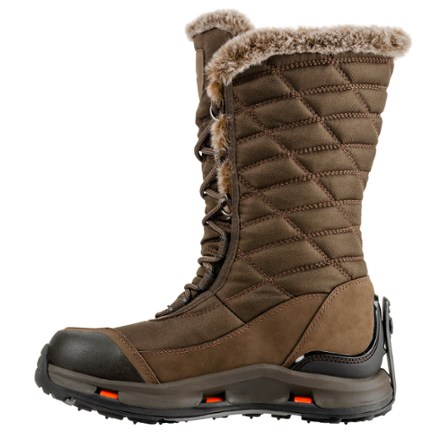
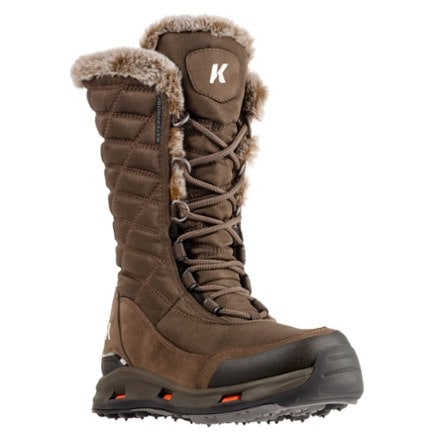
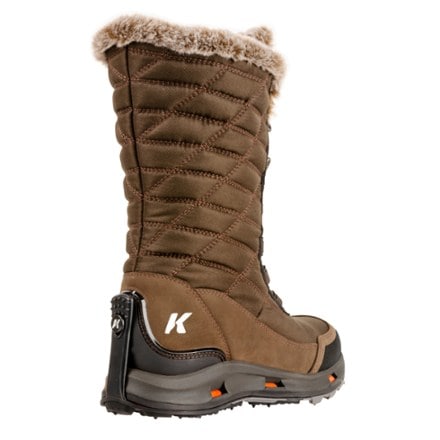
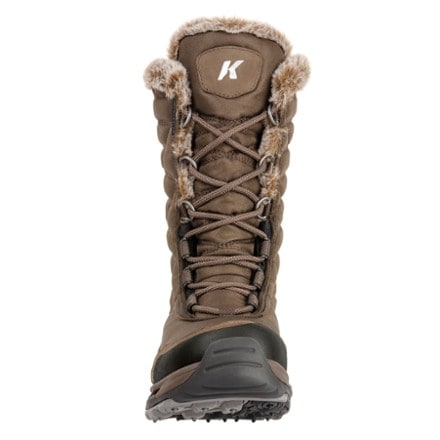
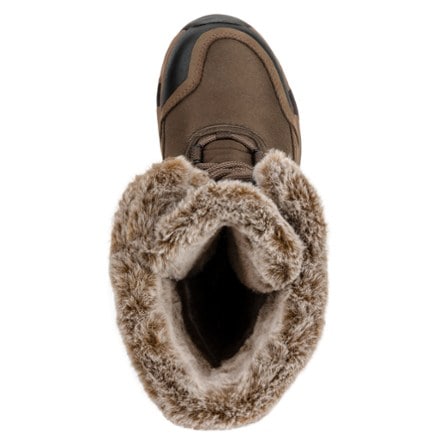
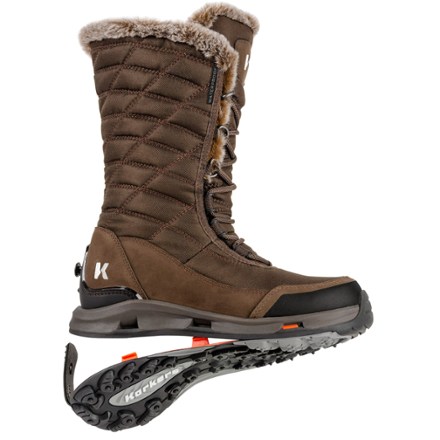
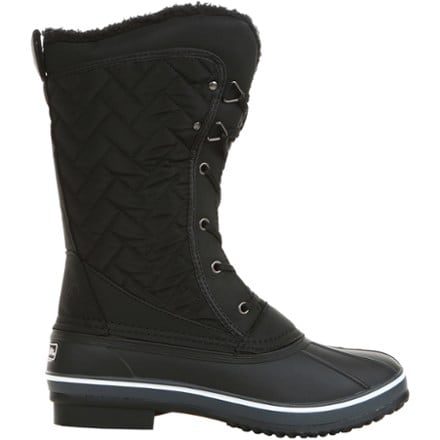
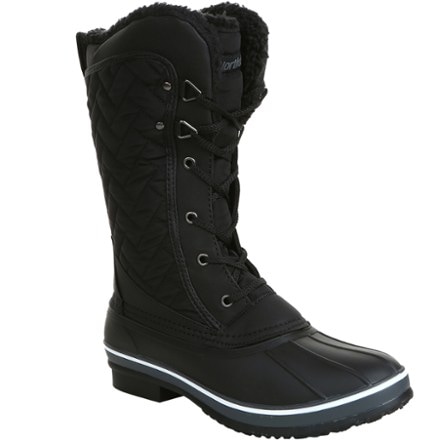
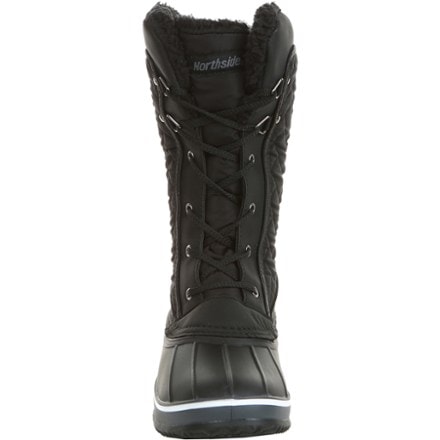
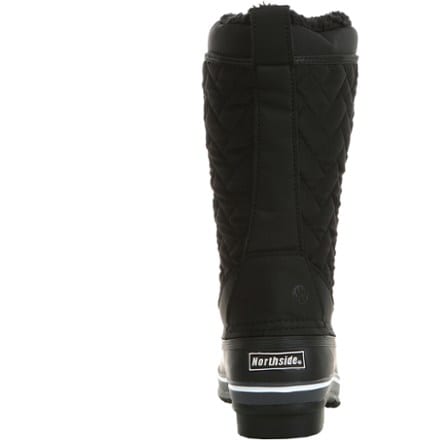
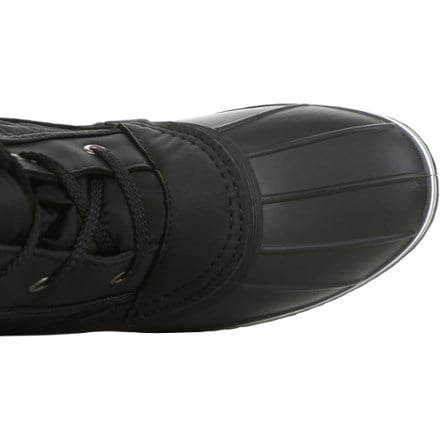
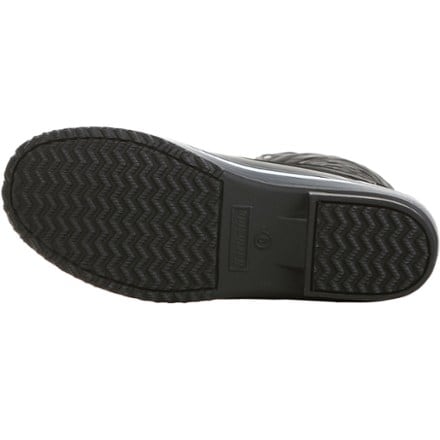
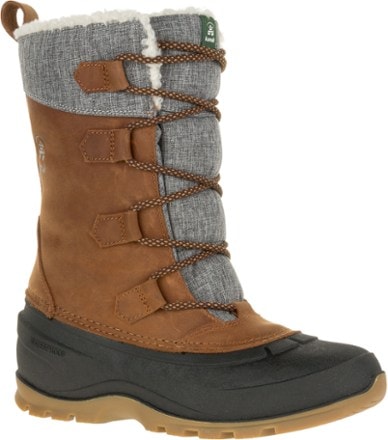
- KamikSnowgem Winter Boots - Women's$139.95(45)45 reviews with an average rating of 4.1 out of 5 stars
Sort: Best Match

Related Expert Advice articles
Hiking shoe vs. hiking boot
- Hiking shoes
- Often lighter weight, lower cut, more flexible and more breathable
- Ideal for day hikes or backpacking with lighter loads
- Hiking boots
- Burlier, with stiffer uppers, over-the-ankle coverage and typically waterproof
- Ideal for multi-day treks with heavier loads
Types of hiking boots
- Day-hiking boots: Mid- to high-cut models that require less break in time; intended for day hikes or short backpacking trips with light loads
- Backpacking boots: Often over-the-ankle height and heavier-built with stiffer midsoles; designed to support multiday treks with heavier loads
Consider the lugs
- Deep, thick lugs improve grip
- Wider lug spaces sheds mud and offer good traction
Our testers spent months putting the best hiking and backpacking boots sold at REI through their paces. These 9 are the best hiking, thru-hiking and backpacking boots.
Learn the differences between hiking shoes and hiking boots with Expert Advice from REI and find the perfect trail shoe for your needs.
Read full article: Hiking Boots vs. Hiking Shoes: What’s the Difference?
Learn the conditions that cause blisters, how to prevent blisters from happening and how to treat them after they form.
Are you new to hiking?
- Look for thicker soles and potentially a higher cuff for better support.
Do you need speed?
- Lightweight trail-running shoes can shave time off the trek.
Check the temperature
- Hiking shoes and trail runner are cooler in hot months; hiking boots provide more warmth.
Match the outsole with your terrain
- Technical terrain requires a beefier outsole and can call for deeper lugs.
Read full article: Hiking Boots vs. Trail Runners: The Great Debate
Increase comfort on the trail by learning simple boot lacing techniques that help you deal with heel slipping, pressure points and toe pain.