Frameless Backpacking Packs
(1 product)- The North Face (1)
- Unisex (1)
- 51 to 75 (1)
- Waterproof (1)
- Ultralight (1)
- Hipbelt Pockets (1)
- Mountaineering (1)
- Climbing (1)
- 1.50 to 2.99 (1)
- Internal Frame (151)
- Frameless (1)
- White (1)
- Summit Series (1)
- Top (1)
- Dyneema (1)
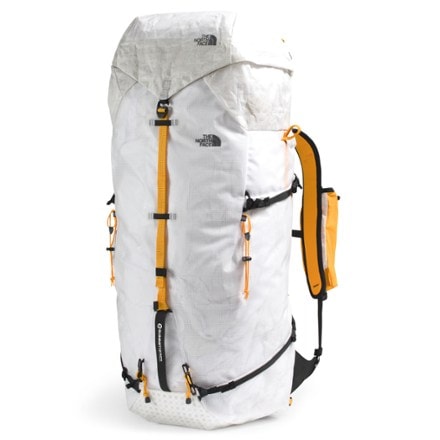
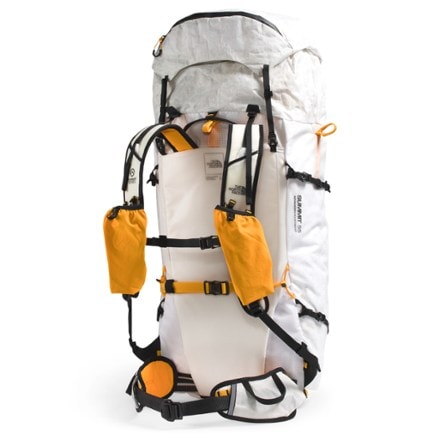
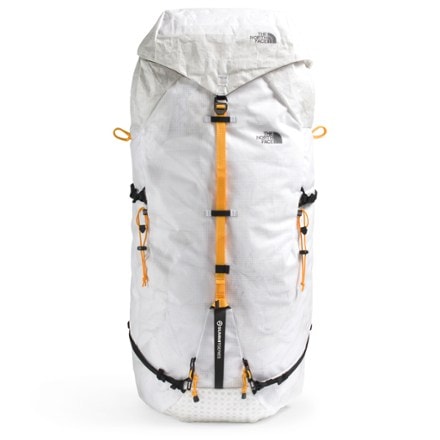
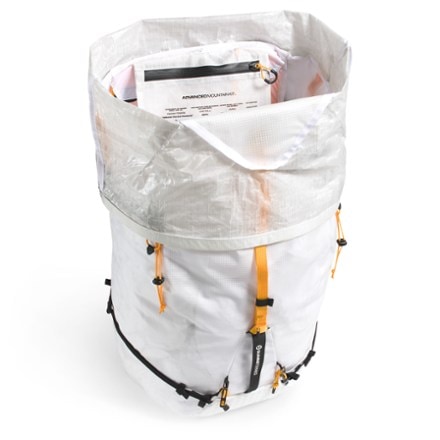
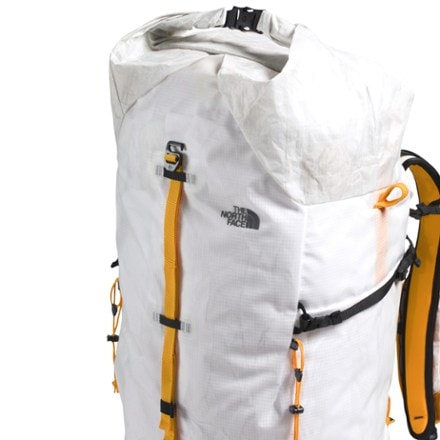
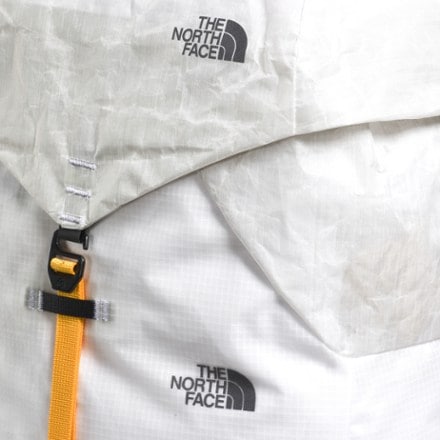
- The North FaceSummit AMK 55 Pack$450.00(1)1 reviews with an average rating of 1.0 out of 5 starsTrip Length/Capacity:MultidayGear Capacity:58 litersWeight:2.67 lbsFeatures:Ultralight
Related Expert Advice articles
Frame type
- Internal frame: Sturdy lightweight aluminum frame provides structure for added support
- Frameless: Soft or sling-style options typically for smaller kids; prioritize simplicity and close contact.
Get a good fit
A good carrier should fit the adult like a backpack, with adjustable shoulder straps, hipbelt and torso length
Look for comfort and safety features for your child
Key features include a supportive seat, adjustable harness, ventilation, sun or rain protection, and stable kick-out legs (on framed models) for safe loading and resting.
Match features to how and where you’ll use the carrier
Consider terrain, trip length and climate when choosing features like storage capacity, hydration compatibility, weather covers and lightweight materials.
Capacity
Trip duration is the biggest factor. General guidance:
- Weekend (1-3 nights): 30-50 liters
- Multiday (3-5 nights): 50-80 liters
- Extended (5+ nights): 70-plus liters
Features
Consider frame type, storage, padding and ventilation.
Fit
Sizing is based on torso length (not height) and hip circumference. Sizing can vary by brand and model, so check a pack's size chart.
Finding torso length and hip circumference
- Locate your C7 vertebra by tilting your head forward and feeling for the bony bump between your shoulder blades.
- Place your hands over your hip bones. Draw an imaginary line connecting your thumbs across your lower back.
- Stand up straight. Have a friend measure from your C7 vertebra to the imaginary line between your thumbs. This is your torso length.
- To find hip size, measure around the top of your hips, using the same imaginary line you found earlier.