Types of Heart-Rate Monitors (HRM)
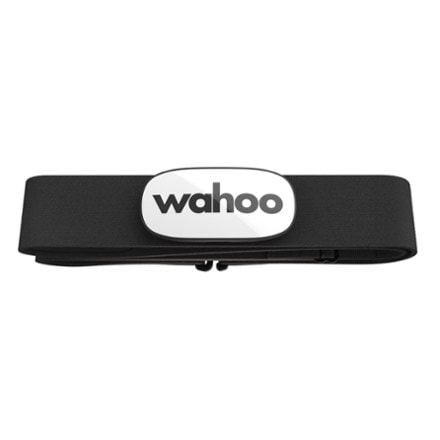
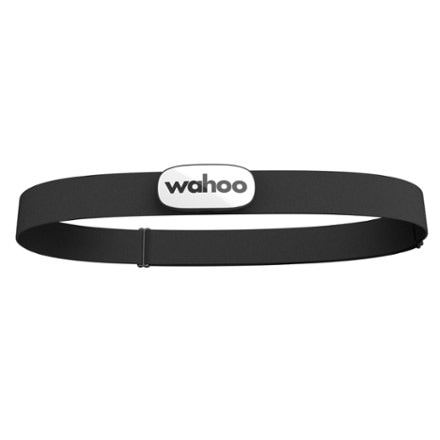
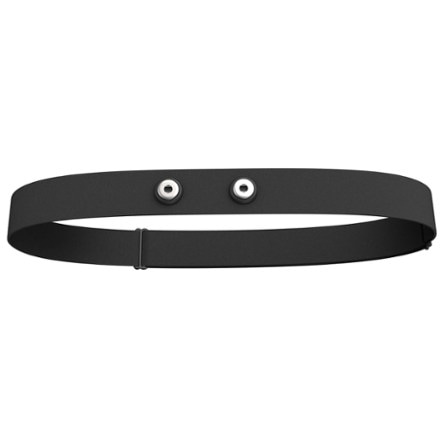
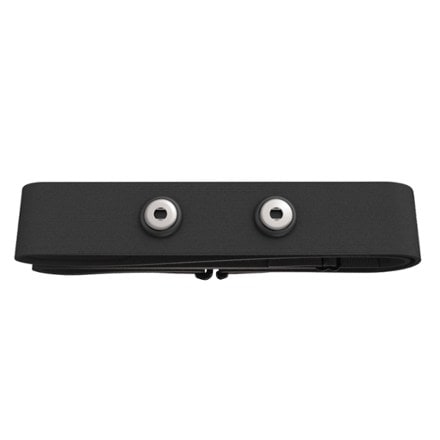
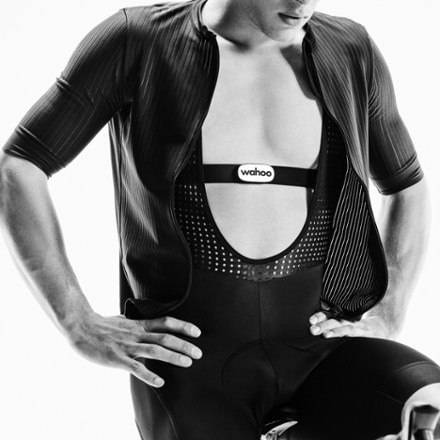
- Chest strap monitors: worn across the chest and against the skin; the most accurate because they measure heart rate electronically
- Wrist-only monitors: worn on the wrist; comfortable and convenient but the least accurate compared to the other types
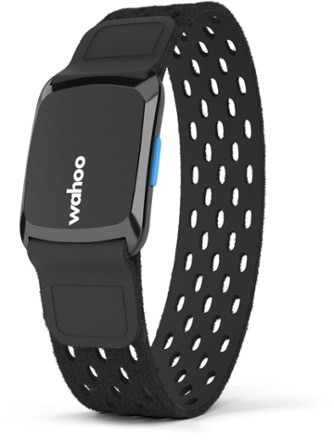
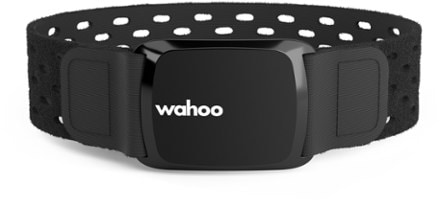
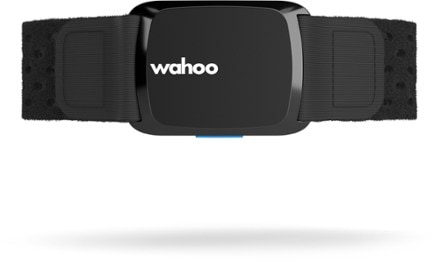
- Armband monitors: worn on the upper arm; more accurate than a wrist-top model, less fussy than a chest strap
Which features matter to you?
- Battery life: In GPS modes, wrist-only monitors tend to have less battery life than chest-strap and armband HRMs.
- Tethering: Chest-strap and armband HRMs don't have display screens so need to be paired with a compatible device.
- Swim compatibility: Not all water-resistant models are swim-compatible.
- Stride data: By tracking ground contact time, HRMs can show a runner how evenly split their stride is, among other stride-related data.
- Sport-specific features: These can include speed and cadence feedback for cyclists and runners, or pool-lap counters and stroke recognition for swimmers.
- Wrist-only (GPS watch) features: These include target heart rate zones, step and calorie counters and lap/split times.
Heart Rate Monitor Use and Design
- Heart rate target zones provide critical data to help you measure your training.
- Skin tone may affect the accuracy of optical heart rate monitors (wrist-only and armband). Those with dark skin tones may want to opt for chest-strap HRMs.
- Users of heart rate monitors include endurance athletes like runners, cyclists, hikers and skiers; climbers; weight-loss participants; and injury-rehabilitation patients.
Read full article: Heart Rate Monitors Buying Guide | How to Choose