Sea to Summit X
(1 product)- Home and Living (1)
- Camp Kitchen (1)
- Camp Hydration (1)
- Deals (1)
- Aeros (5)
- Comfort (6)
- Trek & Travel (3)
- Watercell (1)
- Wilderness (3)
- X (1)
- Camping (1)
- $20.00 to $49.99 (1)
- BPA Free (1)
- Gray (1)
- 0.5 to 0.99 (1)
- 301 to 400 (1)
- 10 to 19.9 (1)
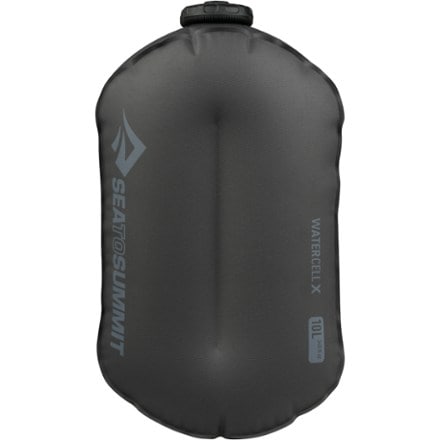
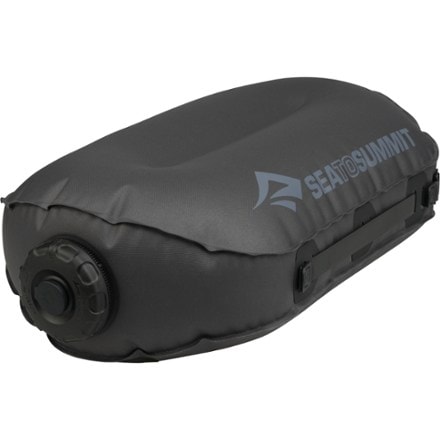
- Sea to SummitWatercell X Water Container - 10 Liters$44.73Save 31%compared to $64.95(0)0 reviewsREI OUTLET
Related Expert Advice articles
Read full article: Gear Review: Testing the Exped Terra 15 Sleeping Bag
Read full article: The 9 Best Sleeping Bags for Backpacking of 2025: Staff Picks
What size is best for you?
- Single: lighter but less spacious, good for backpacking
- Double: fits two but comfortably spacious for one
- Length: at least 2 feet longer than your body
- Weight capacity: single hammocks 300–400 lbs.; double hammocks 400–500 lbs.
- Ultralight: weigh less to carry but lower weight capacity
Consider accessories:
- Underquilts: great insulation for cool-weather hammock camping
- Rain tarps: suspended seperately, protect you from the elements
- Bug nets: 360-degree protection and “no-see-um” netting are best
Hammock tents
- Pros: Lighter and more compact than traditional tent, doesn't require level ground, less impact on ground vegetation
- Cons: Requires sturdy trees, colder, less rainproof than traditional tent, minimal interior storage
Liner uses
- Backpacking: A mummy-shaped liner can add 5° to 15°F of warmth to your bag. It also helps your bag last longer by protecting it from dirt and body oils.
Traveling: A rectangular liner separates you from unclean bedding.
Liner materials
- Silk: Very light, compact and insulates in cold weather. Absorbent and breathable in warm weather. Price: moderate to expensive.
- Cotton: Strong, durable, absorbent. Not the lightest or most compact. Price: economical.
- Fleece and microfleece: Warmer, heavier, soft, moisture-wicking, quick-drying. Mid- and heavyweight varieties are bulky. Price: moderate.
- Synthetics: Moisture-wicking, breathable, stretchy. Price: moderate.
- Insulated: Adds enough warmth to greatly extend the temp range of a lightweight bag. Price: moderate to expensive.
Understand temperature ratings
Opt for a sleeping bag with a temperature rating below the lowest nighttime temperature you expect when camping.
Choose a sleeping bag shape
There are four main shapes: rectangular, semirectangular, mummy and double. For camping, you want one that gives you room to stretch.
Decide between synthetic or down insulation
- Synthetic is more affordable, dries faster and provides warmth when damp.
- Down is lightweight, durable and compresses small.
Other features to consider
A waterproof shell, snug-fitting hood, extra zippers and even a stash pocket can add durability, warmth and function.
Read full article: Sleeping Bag Buying Guide: How to Choose the Right One for Camping
Read full article: The 5 Best Wide Sleeping Pads of 2025: Tested
Related searches