Sea to Summit Wilderness
(3 products)- Camping (3)
- Backpacking (2)
- $0.00 to $9.99 (2)
- $10.00 to $19.99 (2)
- 0 to 0.49 (1)
- Aeros (1)
- Comfort (6)
- Trek & Travel (5)
- Wilderness (3)
- Top Rated (3)
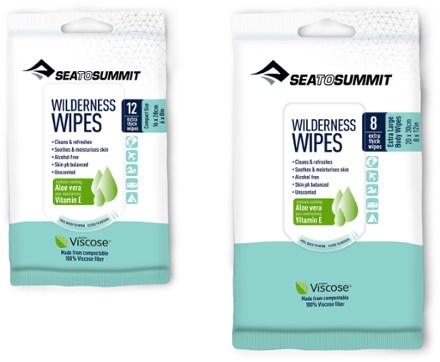
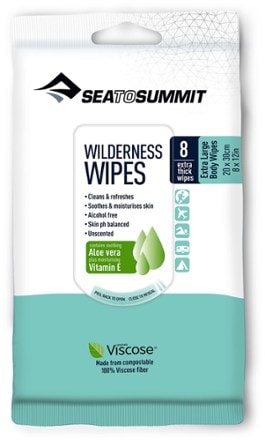
- Sea to SummitWilderness WipesTop Rated$6.95 - $7.95(242)242 reviews with an average rating of 4.7 out of 5 stars
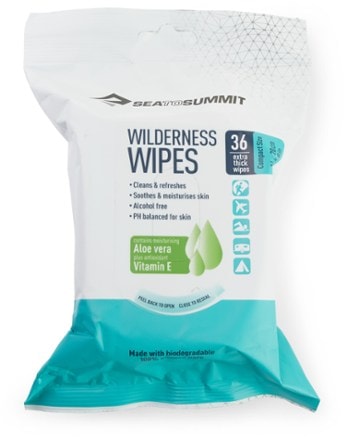
- Sea to SummitWilderness Wipes - Package of 36Top Rated$10.95(127)127 reviews with an average rating of 4.8 out of 5 stars
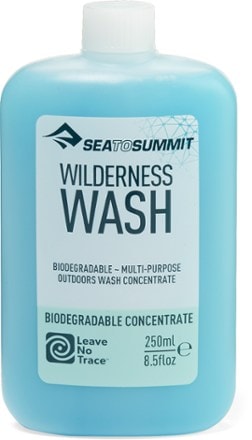
- Sea to SummitWilderness Wash SoapTop Rated$6.95 - $10.95(76)76 reviews with an average rating of 4.5 out of 5 stars
Related Expert Advice articles
Read full article: The 9 Best Sleeping Bags for Camping of 2025 | Staff Picks
Do I really need a backpacking-specific bag?
Yes. These sleeping bags are lighter, pack down smaller and are more efficient at keeping you warm compared to ones for camping.
Understand sleeping-bag weight
Insulation type and bag shape affect weight the most. Always consider bags of a similar temperature rating when comparing loads.
Choose the right fit
Many sleeping bags come in regular, long and short sizes. Review the bag's size specs for the best fit.
Consider other features
Draft-blocking details, a snug-fitting hood, extra zippers and even a stash pocket can add more durability, warmth and function.
Read full article: How to Choose Sleeping Bags for Backpacking
Read full article: The Best Budget Sleeping Pads of 2024: Tested
What size hammock is best for you?
- Single: Lighter for backpacking but less spacious.
- Double: Two people can share or one person to spread out.
- Length: Look for a hammock that is at least 2 feet longer than your height.
- Weight capacity: Check to make sure it suits your needs.
Consider accessories:
- Underquilts offer great insulation for hammock camping in cooler weather.
- Rain tarps, hung above the hammock, protect you from the elements.
- Bug nets: Look for models with 360-degree protection and “no-see-um” netting.
Should you consider a hammock tent?
- Pros: Generally lighter and more compact than a traditional tent, doesn't require level ground and has less impact on ground vegetation.
- Cons: Won’t work without sturdy trees, colder and less rainproof than a traditional tent, and have minimal interior storage.
Read full article: The Best Budget Sleeping Bags of 2025: Tested
How will you be using your liner?
- For backpackers, a mummy-shaped bag liner helps keep your sleeping bag free of dirt and body oils, helping it last longer. A liner can also be used in place of a sleeping bag in hot climates.
For travelers, a rectangular bag liner or travel sheet keeps you separated from bedding of questionable cleanliness or with possible bedbug infestations.
Which liner material is right for you?
- Silk: Very lightweight, compact and insulates in cold weather. Absorbent and breathable in warm weather. Price: moderate to expensive.
- Cotton: Strong, durable and absorbent, but not the lightest or most compact. Price: economical.
- Fleece and microfleece: Warmer, heavier, soft, moisture-wicking and quick-drying, but the mid- and heavyweight varieties are bulky. Price: moderate.
- Synthetics (e.g., CoolMax®): Moisture-wicking, breathable, ideal for humid conditions and stretchy for restless sleepers. Price: moderate.
- Insulated (e.g., Thermolite®): Adds enough warmth to greatly extend the range of a lightweight bag. It dries faster than cotton. Price: moderate to expensive.