Skip to search results
loaded 1 results
Petzl Core
(1 product)Products (1)
Filter
- Camp Lighting (1)
- Multisport (1)
- $20.00 to $49.99 (1)
- 0 to 0.49 (1)
- Rechargeable (1)
- Special Purpose (1)
Sort: Best Match
View:
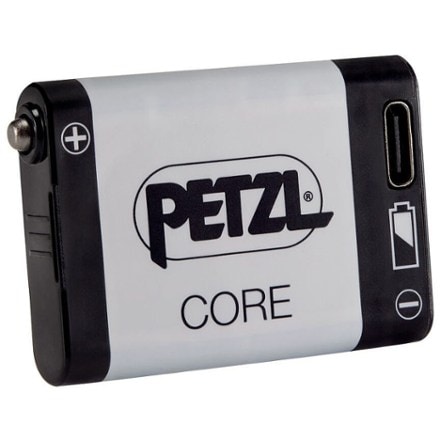
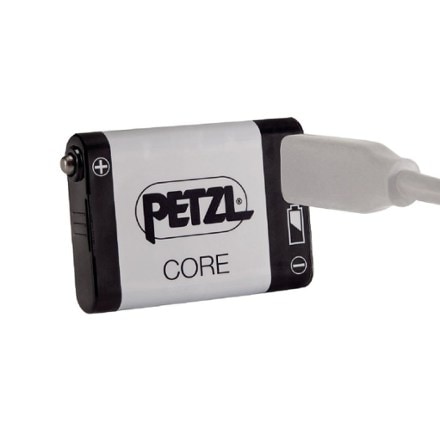
- PetzlCore Battery - USB-C$34.95(5)5 reviews with an average rating of 4.4 out of 5 stars
Sort: Best Match
Related Expert Advice articles
Our REI field testers pick their 8 favorite headlamps for running, camping, backpacking and more.
Best uses
Most climbing harnesses are versatile enough for indoor climbing or outdoor multi-pitch routes, while some are more specialized for mountaineering or ice climbing.
- Sport or indoor climbing: Stripped down for fast travel and feature minimal gear loops.
- Trad climbing: More gear loops since climbers place their own protection. Comfort and padding are key, as you may spend hours on a route or hanging in your harness.
- Mountaineering: Designed for long approaches and all-season versatility
- Ice climbing: Designed to perform in winter conditions
Key features:
- Padded waist: Thicker padding or a broader surface area helps distributes pressure
- Adjustable leg loops: Fit different body types and clothing layers
- Gear loops: Typically two to five loops for racking gear
- Droppable leg loops: Leg loops unclip at the back for easier bathroom breaks
Women-specific harnesses
- These typically feature a higher rise, a larger leg-to-waist ratio and a shaped waistbelt
- Choose a women-specific harness if it better matches your body type.
Gate type
Since each quickdraw has two carabiners on it, a quickdraw could have a combination of gate types.
- Straight-gate: Easy to operate; common on many carabiners and on the side of the quickdraw that is clipped to a bolt
- Bent-gate: Curved shape makes it easier to clip a rope
- Wire-gate: Lightweight, a wire loop creates its own spring mechanism as it pivots
Sling length
- Short-length (10-16cm long) work in most situations when the route is relatively straight
- Medium-length (17-18cm) are useful for reducing rope drag in longer routes or if the route isn't straight
- Long-length (25cm+) help keep the rope running in a straighter line, especially on routes that wander or have overhangs
Get started rock climbing with this expert guide from REI. Learn about climbing styles, essential gear and how to climb indoors and outdoors.
Safety standards
- All climbing helmets must meet industry safety standards for climbing
- Some also have additional certifications for mountaineering, biking or snowsports
Shell material
- ABS (hard shell): Durable and affordable; generally heavier with less ventilation
- Polycarbonate (foam shell): Lightweight and well ventilated; pricier
Features
- Adjustability: Fine tune the helmet fit or chin strap so you can layer underneath
- Vents: Helpful for warm weather climbing or long days of climbing
Fit
- Helmets are sized by head circumference (inches or centimeters)
- Measure your head circumference by wrapping a tape measure around your head just above the ears and about 1" above the eyebrows
The number of quickdraws you need varies based on the climb, but most sport climbing routes can be led with 12 or fewer.
Related searches