Skip to search results
loaded 2 results
MSR Climbing
(2 products)Products (2)
Filter
- Mountaineering (2)
- 4-season (2)
- Orange (2)
- 5 to 7.99 (1)
- 8 to 11.99 (1)
- Freestanding (2)
- 2 doors (2)
Sort: Best Match
View:
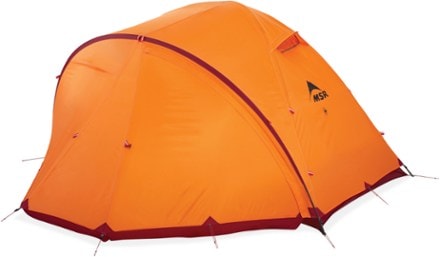
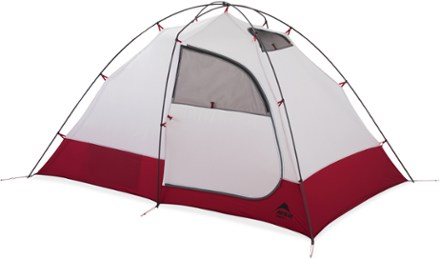
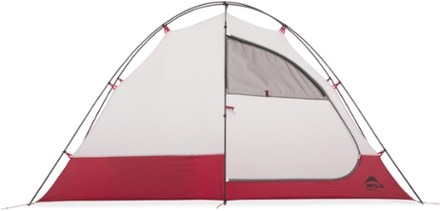
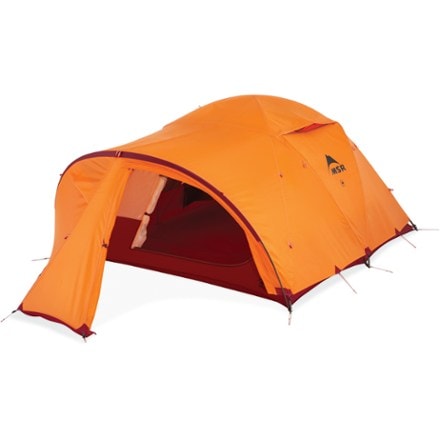
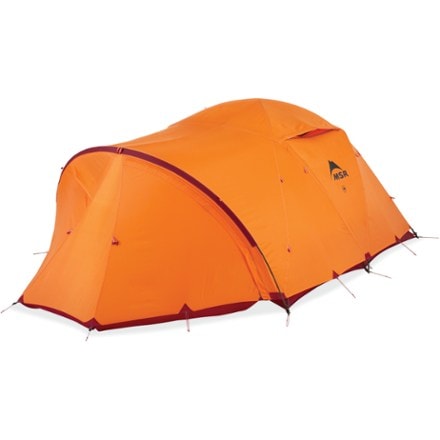
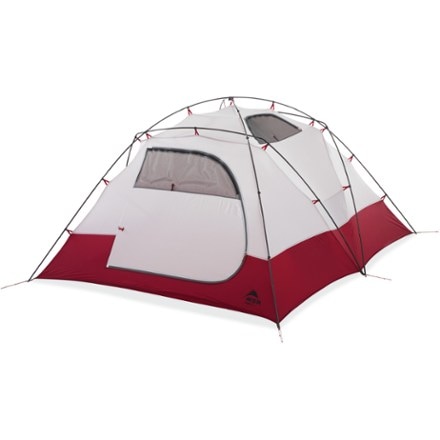
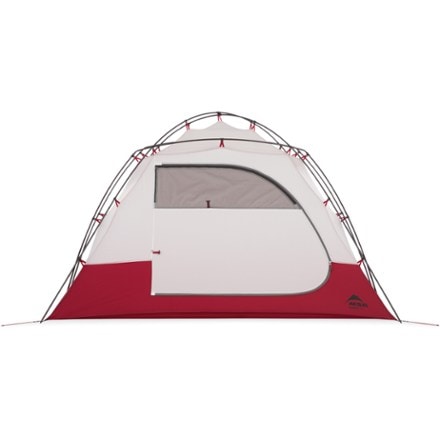
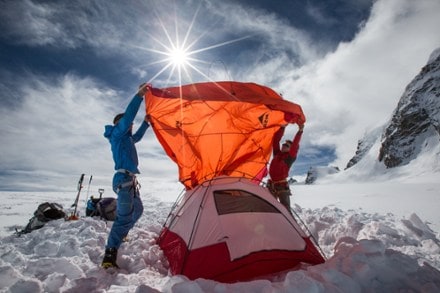
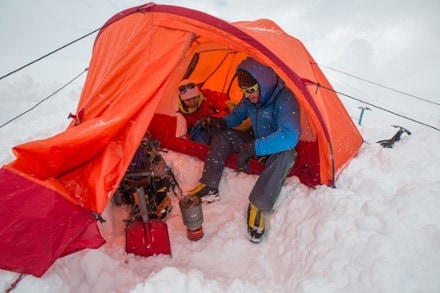
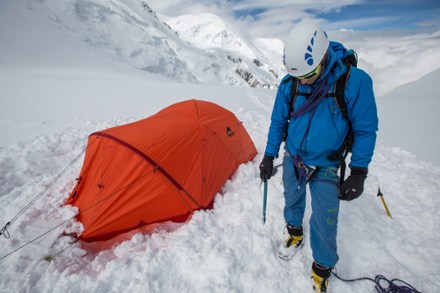
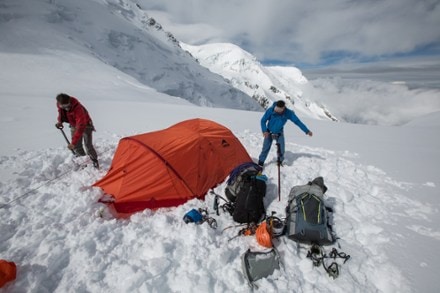
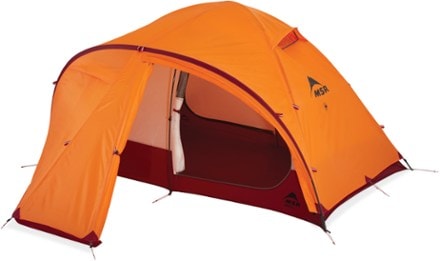
- MSRRemote 2 Tent$859.95(1)1 reviews with an average rating of 5.0 out of 5 stars
- MSRRemote 3 Tent$959.95(0)0 reviews
Helix climbing shoes
The iconic shoe, now updated with a comfortable all-day fit, extended lacing system & enhanced forefoot wrap.
Shop Scarpa
Sort: Best Match
Related Expert Advice articles
Key features of backcountry snow shovels:
- Material: Because of its low weight and high strength, aluminum predominates. Plastic shovels aren't suited to avalanche rescue.
- Comfort: Low weight and a comfortable, ergonomic grip will make a shovel easier to use.
- Length: Longer, extended shafts may give you better leverage to scoop snow faster while shorter shafts cut down on weight.
Types of snow shovels:
- Fully flat blades are best for snow study, such as creating smooth snow-pit walls.
- Scooped blades are less likely to spill snow off the sides during shoveling.
- Serrated blade edges can be used to bust up ice.
- Blades with holes in them can be used (with a length of accessory cord) to build snow anchors; holes also make a shovel slightly lighter to carry.
T-grip vs. D-grip handles:
- T-grip: Grasped between the fingers, this is a lightweight design that works well; can be awkward when wearing mittens.
- D-grip: Slightly bulkier and heavier than a T-grip, it is relatively easy to use while wearing mittens.
What is an avalanche transceiver?
- If you recreate in snowy backcountry terrain, an avalanche transceiver is an essential safety device—along with a probe and shovel
- Transceivers help you locate someone buried in an avalanche and it helps rescuers find you if you’re buried
What features should I look for?
- Analog or digital: Most modern transceivers are digital; some are both digital and analog
- Multiple burials: Allows searchers to detect more than one buried person; most offer this feature
- Marking function: Lets a searcher to mark the location of a buried person so they can search for another one
- Display screen: Displays direction and distance to a buried person
- Range: Listed in meters (typically 40-70m), the circular range at which one transceiver can detect another
Read full article: How to Choose and Use an Avalanche Transceiver
This overview of topics covered in an avalanche rescue class introduces essential skills such as searching, probing and digging for a buried victim.
Learn how to identify and avoid avalanche terrain and choose safer travel routes.
Read full article: Reducing Risk: How to Recognize Avalanche Terrain
An avalanche forecast tells you about potential slide dangers. Learn what it is, where to find it and how to read a forecast.
Learn about the essential avalanche safety gear you need to carry when you venture beyond in-bounds ski areas.