Skip to search results
loaded 1 results
Merrell Minimal Cushion Women's Shoes
(1 product)Products (1)
Filter
- Trail Running (1)
- Regular (1)
- Vegan (1)
- Barefoot (6)
- Minimal Cushion (1)
- Moderate Cushion (7)
- Maximum Cushion (2)
- Gray (1)
- Women's (1)
- 1 to 4 (1)
- Lace-up (1)
- Kevlar (1)
- Vibram (1)
- Vibram Megagrip (1)
- MTL (1)
- Ankle (1)
- Rugged-Trail (1)
- 0.5 to 0.99 (1)
- No (1)
Sort: Best Match
View:
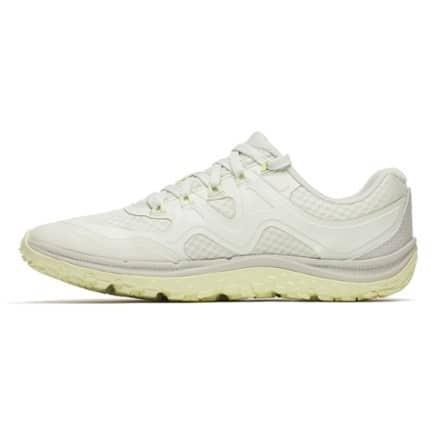
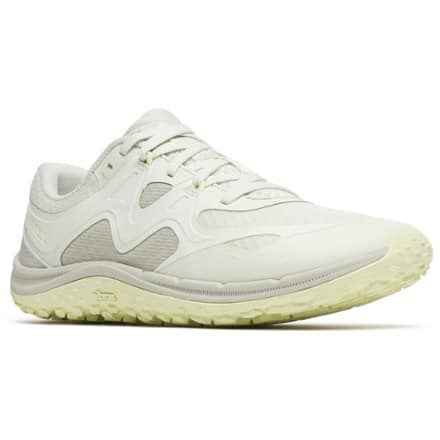
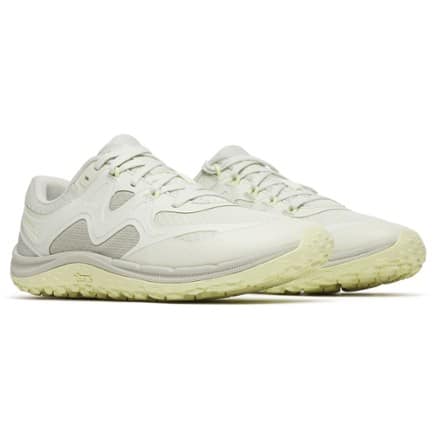
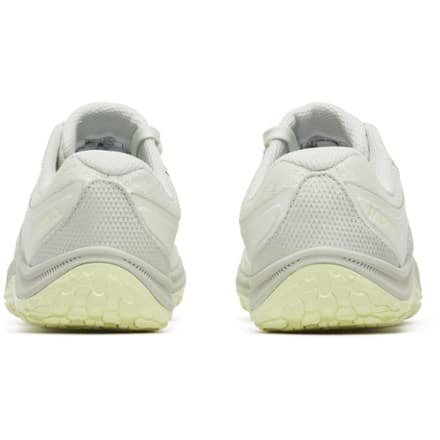
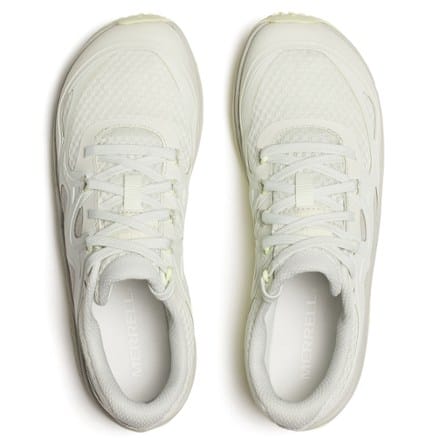
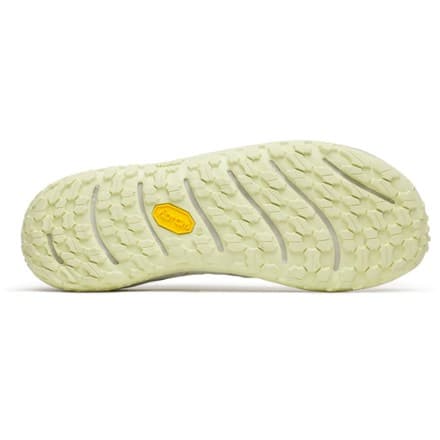
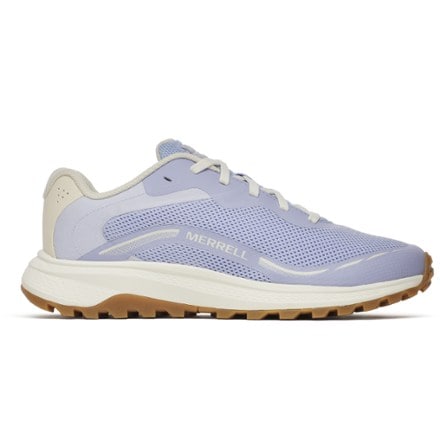
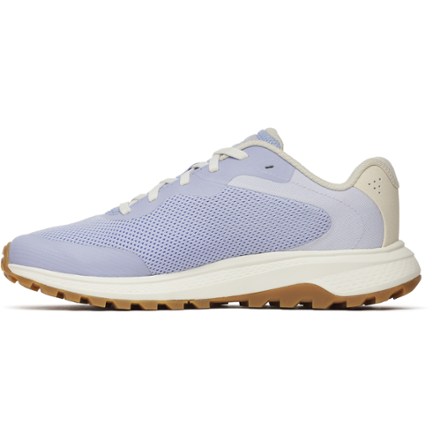
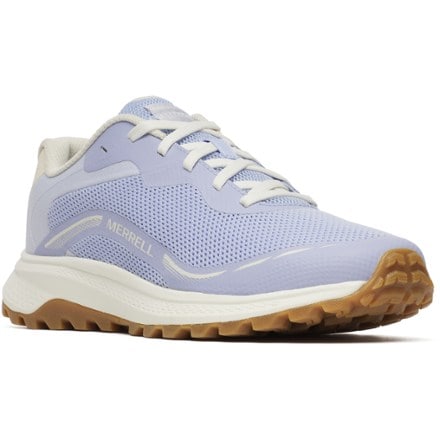
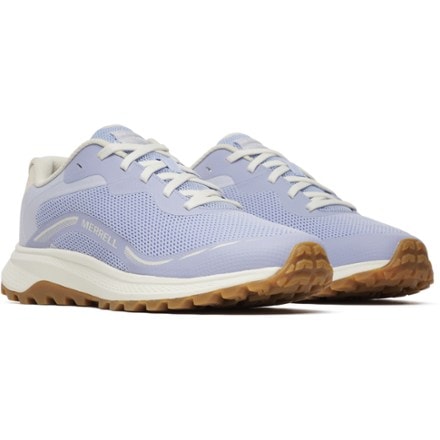
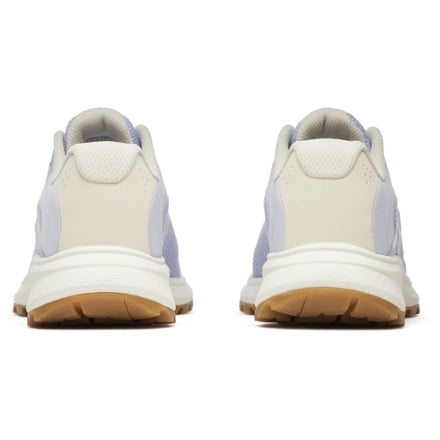
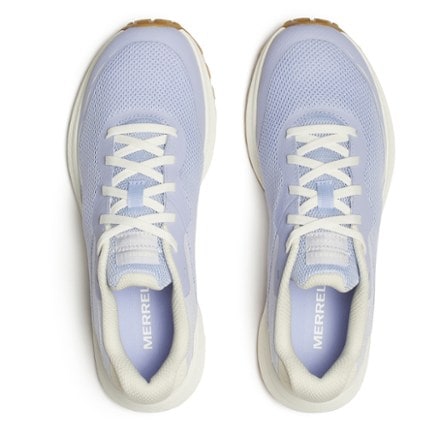
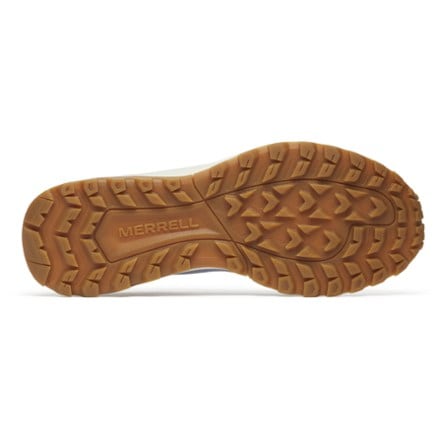
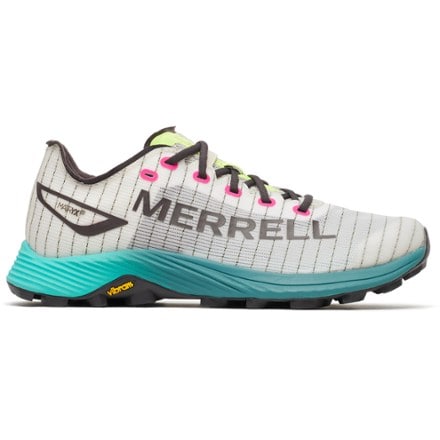
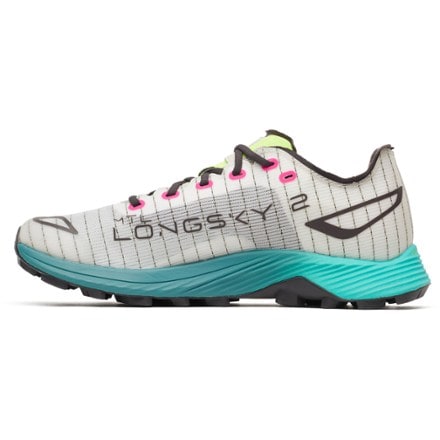
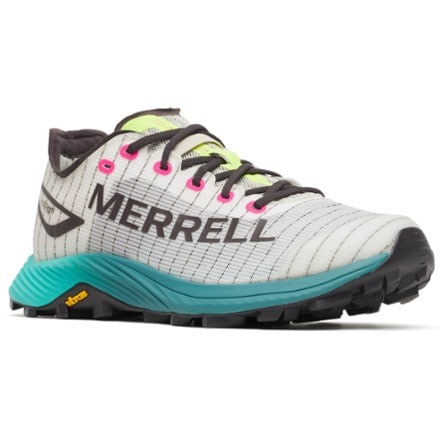
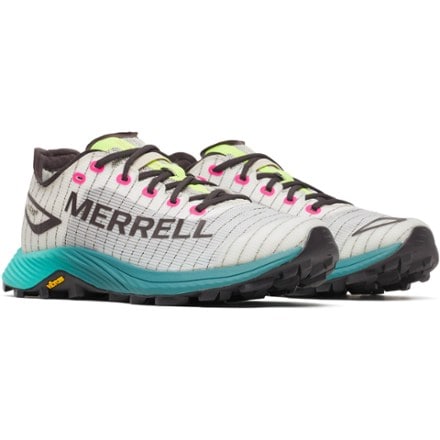
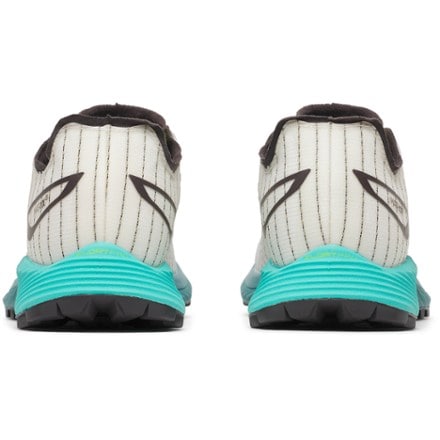
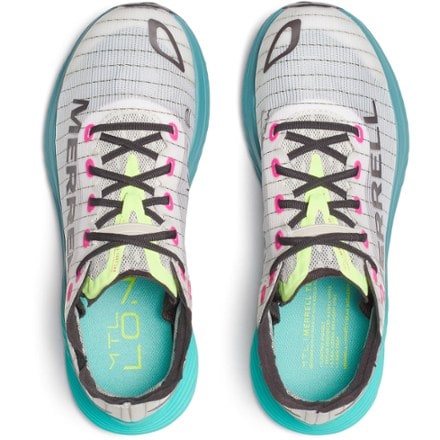
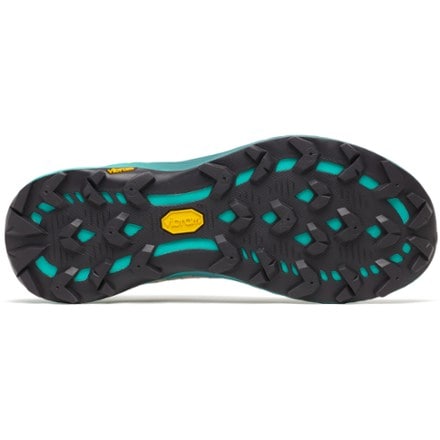
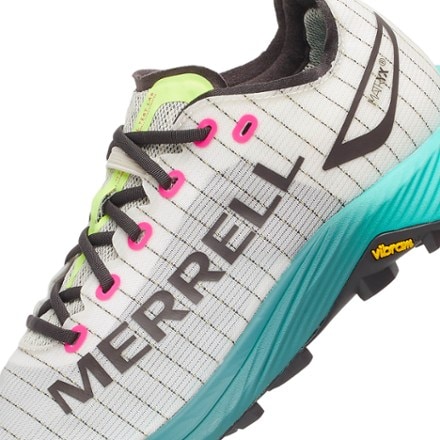
- MerrellMTL Long Sky 2 Matryx Trail-Running Shoes - Women's$170.00(33)33 reviews with an average rating of 4.4 out of 5 starsHeel to Toe Drop:4 mmCushioning:MinimalFootwear Width:Regular
LoremLoremGet $130 in value
When approved for the REI Co-op Mastercard by May 25, you’ll get $30 in card rewards. Plus, you can earn a $100 REI gift card after your first non-REI purchase within 60 days from account opening. Terms apply.
Apply now
Sort: Best Match

Related Expert Advice articles
Hiking shoe vs. hiking boot
- Hiking shoes
- Often lighter weight, lower cut, more flexible and more breathable
- Ideal for day hikes or backpacking with lighter loads
- Hiking boots
- Burlier, with stiffer uppers, over-the-ankle coverage and typically waterproof
- Ideal for multi-day treks with heavier loads
Types of hiking boots
- Day-hiking boots: Mid- to high-cut models that require less break in time; intended for day hikes or short backpacking trips with light loads
- Backpacking boots: Often over-the-ankle height and heavier-built with stiffer midsoles; designed to support multiday treks with heavier loads
Consider the lugs
- Deep, thick lugs improve grip
- Wider lug spaces sheds mud and offer good traction
Learn the differences between hiking shoes and hiking boots with Expert Advice from REI and find the perfect trail shoe for your needs.
Read full article: Hiking Boots vs. Hiking Shoes: What’s the Difference?
Learn how and why to choose minimalist or “barefoot” running shoes, and how to transition comfortably to running in less structured footwear.
Running shoes don’t require a lot of care, but proper cleaning is important to ensure that they perform well and last for many miles.
Many runners aspire to move faster. This article discusses ways to increase your speed, including track workouts and strength training.
These simple exercises will help you build strength and endurance so you can run faster and avoid common running injuries.