Mammut Climbing: Deals
(33 products)- Climbing Hardware (10)
- Carabiners (4)
- Quickdraws (4)
- Climbing Ropes (9)
- Single Ropes (8)
- Twin Ropes (2)
- Half Ropes (2)
- Chalk Bags (3)
- Climbing Chalk (1)
- Slings (3)
- Climbing Helmets (2)
- Deals (33)
- $0.00 to $9.99 (1)
- $10.00 to $19.99 (6)
- $20.00 to $49.99 (7)
- $50.00 to $99.99 (9)
- $100.00 to $199.99 (7)
- $200.00 to $499.99 (4)
- Top Rated (16)
- Padded Waist (5)
- Padded Leg Loops (5)
- Droppable Leg Loops (5)
- Belay Loop (5)
- Adjustable Leg Loops (5)
- Suitable for Belaying (2)
- Suitable for Rappelling (1)
- RECCO Reflector (1)
- Climbing (33)
- Dynamic (9)
- 0 to 0.49 (16)
- 0.5 to 0.99 (5)
- 1 to 1.49 (2)
- 1.50 to 2.99 (1)
- 5 to 7.99 (2)
- 8 to 11.99 (7)
- Up to 9.4 (2)
- 9.5 to 9.9 (7)
- Dry Core And Sheath (6)
- Non-dry (3)
- Half Rope (2)
- Single Rope (8)
- Twin Rope (2)
- bluesign (12)
- Recycled Materials (4)
- Bent-gate (3)
- Screw-lock (4)
- Straight-gate (4)
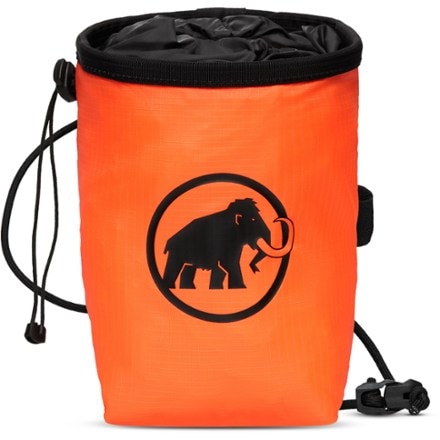
- Sale Ends Sep 7MammutSender Light Chalk Bag$26.19Save 25%compared to $35.00(2)2 reviews with an average rating of 5.0 out of 5 stars
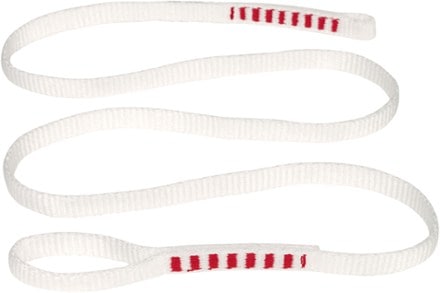
- Sale Ends Sep 7MammutAlpine Trad SlingTop Rated$18.69Save 25%compared to $24.95(7)7 reviews with an average rating of 4.9 out of 5 stars
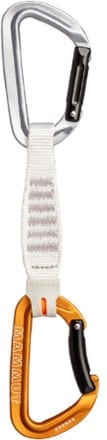
- Sale Ends Sep 7MammutSender Keylock Quickdraw - 12 cm$19.39Save 25%compared to $25.95(7)7 reviews with an average rating of 4.3 out of 5 stars
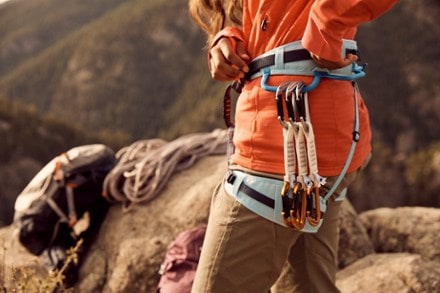
Related Expert Advice articles
Best uses
Most climbing harnesses are versatile enough for indoor climbing or outdoor multi-pitch routes, while some are more specialized for mountaineering or ice climbing.
- Sport or indoor climbing: Stripped down for fast travel and feature minimal gear loops.
- Trad climbing: More gear loops since climbers place their own protection. Comfort and padding are key, as you may spend hours on a route or hanging in your harness.
- Mountaineering: Designed for long approaches and all-season versatility
- Ice climbing: Designed to perform in winter conditions
Key features:
- Padded waist: Thicker padding or a broader surface area helps distributes pressure
- Adjustable leg loops: Fit different body types and clothing layers
- Gear loops: Typically two to five loops for racking gear
- Droppable leg loops: Leg loops unclip at the back for easier bathroom breaks
Women-specific harnesses
- These typically feature a higher rise, a larger leg-to-waist ratio and a shaped waistbelt
- Choose a women-specific harness if it better matches your body type.
Dynamic vs. static ropes
- Dynamic: Designed to stretch to absorb the impact of a falling climber
- Static: Stretch very little, so they shouldn't be used in cases where a fall could occur; ideal for rescue, rappelling and hauling
Ropes categories
- Single rope: Most climbers buy single ropes, which are designed to be used by themselves and not with another rope; common for sport and trad climbing
- Half rope: When climbing with half ropes, you use two ropes, clipping alternately for reduced rope drag; common for trad climbing on wandering routes, mountaineering and ice climbing
- Twin ropes: Also a two-rope system, but both strands are clipped through each piece of protection
Diameter and length
- Thinner ropes (about 8.5-9.5mm) are lighter, less durable and require more skill to handle safely
- Thicker ropes are generally more abrasion-resistant; ideal for beginners or frequent use
- Dynamic ropes range in length from 30-80 meters. A 60-meter rope is the standard and will meet your needs most of the time.
Dry treatment
Some ropes include a dry treatment that reduces water absorption. Dry-treated ropes are more expensive than non-dry options.
- Dry-treated: Dry ropes can have a dry core, a dry sheath or both. Ropes with both core and sheath offer the greatest moisture protection.
- Non-dry: A non-dry rope is probably sufficient for sport climbing
Read full article: Reducing Risk: How to Recognize Avalanche Terrain
Locking vs. Non-locking
Locking carabiners: Gates lock to prevent accidental openings during falls; essential for belaying or critical protection placements
- Screw-lock: Requires manual twisting to close
- Auto-locking (twist lock): Automatically locks when the gate closes
Non-locking carabiners: Lighter, quicker to clip or unclip but can accidentally open; ideal for racking gear or for quickdraws
Carabiner shape
- D shape: Strongest shape, excellent for most kinds of climbing
- Asymmetric D: Lighter than D shape with a larger gate for easy clipping; use for belaying, rappelling, general climbing
- Pear shape: Designed for belaying, rappelling and anchor points; heavier and more expensive
- Oval shape: Smaller gate opening, affordable but not as strong or light as others; ideal for aid climbing or racking trad gear
Gate Types
- Straight-gate: Durable, easy to use; common for clipping gear to harnesses
- Bent-gate: Makes rope clipping easier; generally used for quickdraws
- Wire-gate: Lightweight, less likely to freeze or vibrate open during a fall
- Locking: Most secure; essential for anchors or belaying