All Look Products
(32 products)- Cycling (26)
- Bike Parts (26)
- Cycling Shoes (4)
- Indoor Cycling (3)
- Snowsports (6)
- Skiing (6)
- Downhill Skiing (6)
- Fitness (3)
- Indoor Cycling (3)
- Deals (6)
- Mountain Biking (12)
- Road Cycling (10)
- Downhill Skiing (6)
- Cycling (4)
- Indoor Cycling (3)
- Recreational Cycling (1)
- SPD Compatible (12)
- Look Mountain Compatible (10)
- Look Road Compatible (8)
- Top Rated (3)
- $20.00 to $49.99 (5)
- $50.00 to $99.99 (6)
- $100.00 to $199.99 (11)
- $200.00 to $499.99 (10)
- 0 to 0.49 (3)
- 0.5 to 0.99 (15)
- 1 to 1.49 (7)
- 3 to 4.99 (4)
- 5 to 7.99 (2)
- Stainless Steel (11)
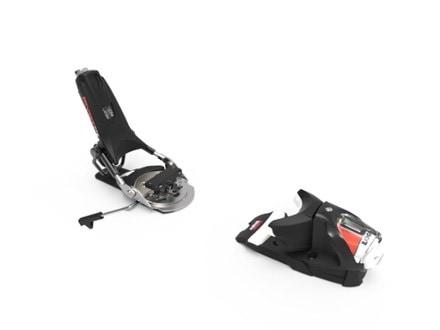
- LookPivot 14 GW Ski BindingsTop Rated$246.93Save 35%compared to $379.95(5)5 reviews with an average rating of 5.0 out of 5 stars
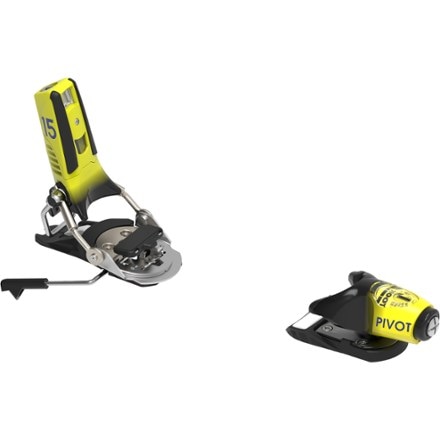
- LookPivot 2.0 15 GripWalk Super Edition Ski Bindings - 2025/2026$311.93Save 35%compared to $479.95(3)3 reviews with an average rating of 5.0 out of 5 stars


Related Expert Advice articles
What capacity tent do you need?
- How many are in your group? Tents vary in size from 2- to 8-person.
- Assume a close fit for the number of people your tent is designed to accommodate. If you need more space for dogs and gear, size up.
Choose the seasonality
- 3-season tents are great shelters for most of the year. They have ample mesh for good airflow and can withstand basic downpours.
- 3+- season tents are a little sturdier, and with less mesh, and are warmer than their 3-season cousins.
- 4-season tents are engineered to handle high winds and other severe weather. This can make them stuffy in warm weather.
Decide on key features
- Peak height: Look for a taller peak height if you want to stand up in the tent.
- Floor length: Can you fully lie down if you’re tall? Will it fit your cot or air mattress?
- Doors: If multiple people are sleeping in the tent, you might want more than one door for more convenient access.
Clipless vs. Flat Pedals
Clipless: Offers a high level of control while riding fast or technical moves like hopping up onto curbs or over logs. Despite the name, you do clip in and out of them with special cleated shoes.
Flat (platform): Don’t require clipping in and out, so it's easier to bail in a crash. No special shoes required.
What kind of riding will you be doing?
Mountain biking: Flat pedals paired with grippy bike shoes allow easy dismounts; clipless options offer more pedal efficiency, control and power while climbing, and feature 2-hole cleats.
Road cycling: Clipless pedals offer the greatest power and efficiency; often feature cleats with a 3-hole design.
Recreational riding: Flat pedals or 2-hole cleats make it easier to walk, mount and dismount.
Bike commuting: Clipless pedals boost efficiency over long distances; flat pedals let you wear regular shoes instead of cleats.
Read full article: What FSC Certification Is and Why You Should Look for It
Find the right DIN range
Ski bindings secure your boots to your skis and release when needed. Release settings are known as DIN.
- Lower DIN: Releases with less force; best for lighter, beginner to intermediate or cautious skiers
- Higher DIN: More force is required to release; best for heavier, advanced or aggressive skiers
Match skill to DIN ranges
- Beginner-intermediate: 3-10
- Advanced: Up to 14, 15 or 16
- Juniors: Up to 7
Pro tip: Brands often include the highest DIN value in the product name.
Brake width
Choose brakes that fit your ski waist width—equal to or up to 15mm wider.
Boot compatibility
Most modern ski bindings are MNC (multi-norm compatible) and work with GripWalk, Alpine and Walk to Ride