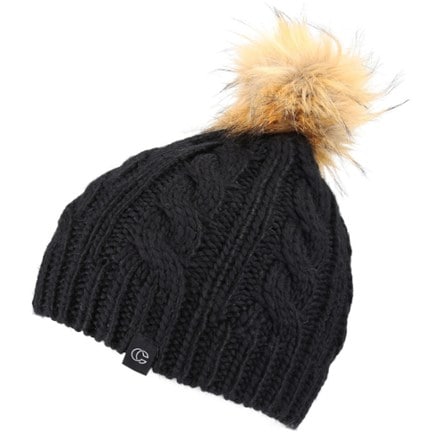
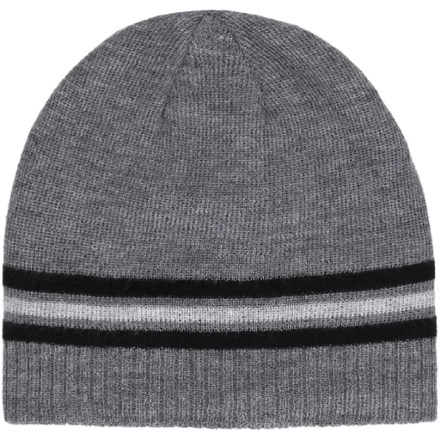
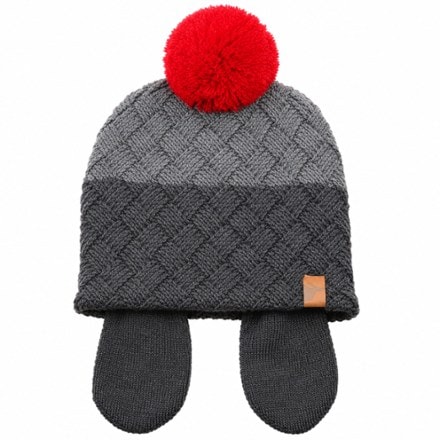
Chaos Kids' Downhill Skiing
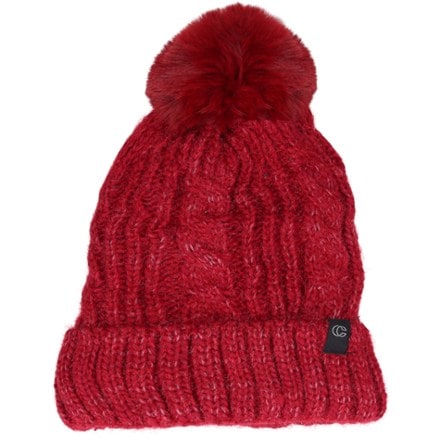
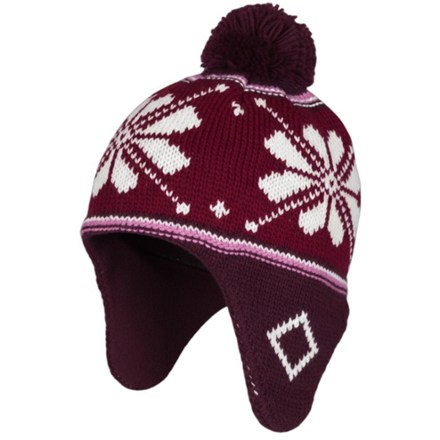
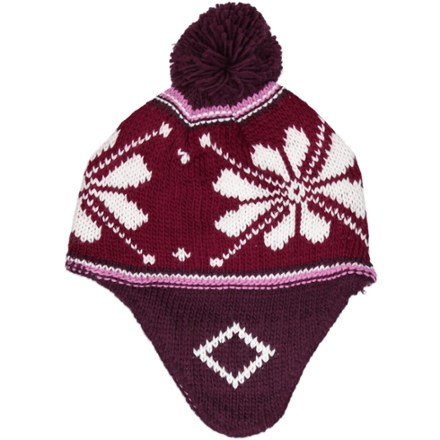
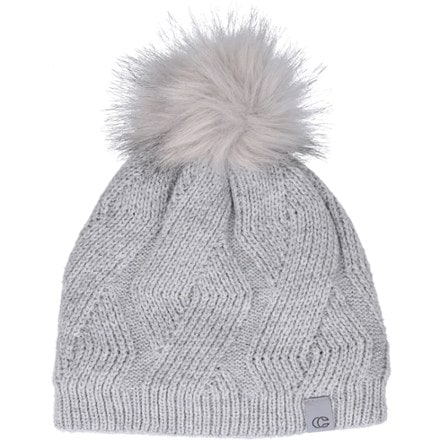
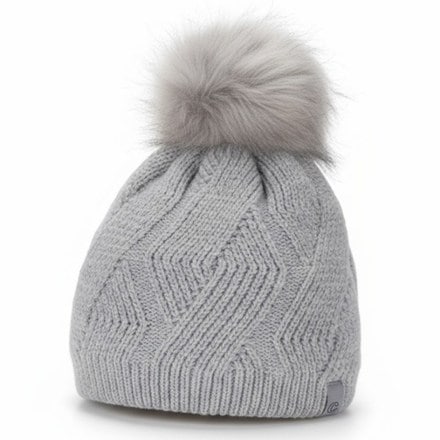
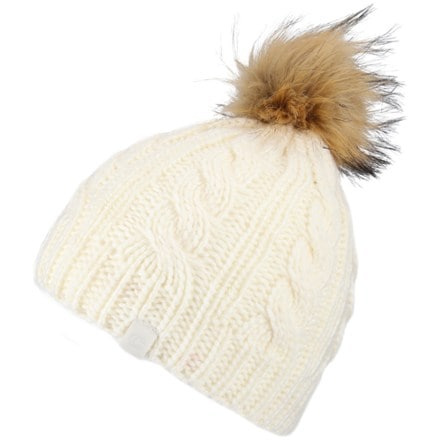
(5 products)- ChaosWrenley Pom Beanie - Kids'$17.73Save 26%compared to $23.99Save an extra 25% off select styles at REI Outlet, thru 3/2.(0)0 reviewsREI OUTLET
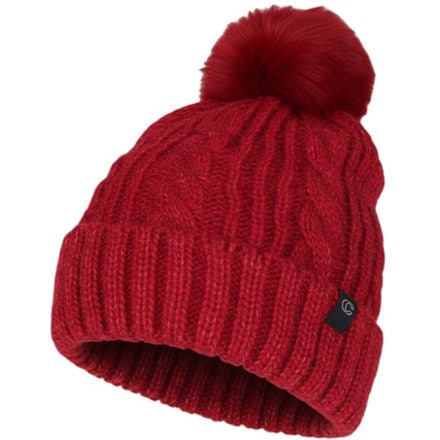
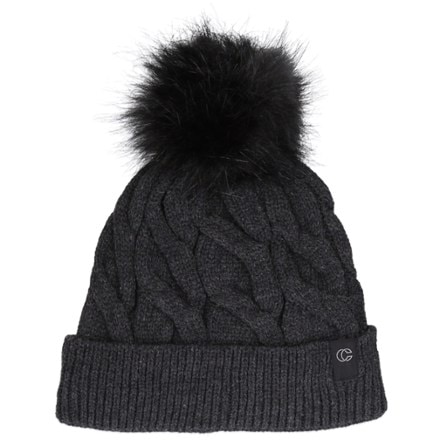
- ChaosSierra Pom Beanie - Kids'$17.73Save 26%compared to $23.99(0)0 reviewsREI OUTLET
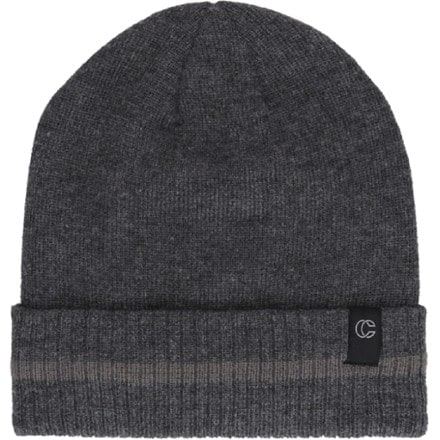
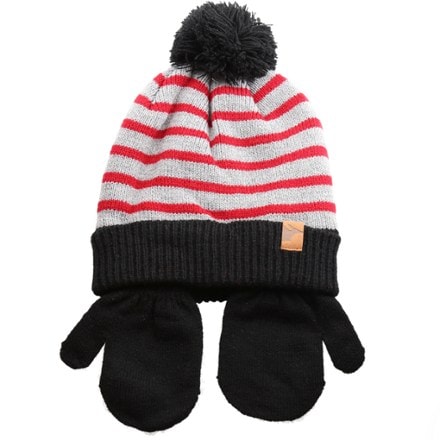
- ChaosCashel Striped Beanie - Kids'$14.73Save 26%compared to $19.99(0)0 reviewsREI OUTLET
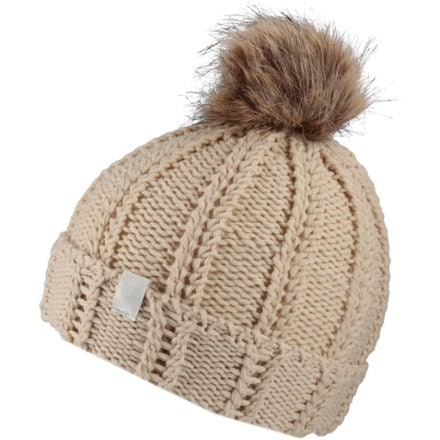
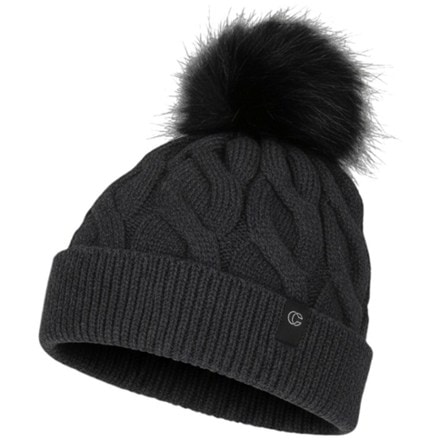
- ChaosTalia Pom Beanie - Kids'$17.73Save 26%compared to $23.99(0)0 reviewsREI OUTLET
- ChaosElara Pom Beanie - Kids'$17.73Save 26%compared to $23.99(0)0 reviewsREI OUTLET
Get $130 in value
$30 in card rewards are yours when approved for the REI Co-op Mastercard by Mar 9. Plus, you can earn a $100 REI gift card after your first purchase. Terms apply.
Apply now
Related Expert Advice articles
What type of skiing will you be doing?
- Downhill ski poles: Poles for alpine skiing help with balance and timing turns. Many are fixed length; some are adjustable.
- Backcountry ski poles: Opt for adjustable poles so you can lengthen poles when going uphill and shorten them when descending.
- Cross-country ski poles: Longer and lighter, designed to help you glide forward efficiently. Poles for skate skiing are longer than for classic skiing.
Find the right length
When looking for proper fit, consult the brand's sizing chart. For downhill skis, wear your boots and turn the poles upside down. Grip the poles just below the basket. Your elbow should form a 90° angle. If the angle is less than 90°, try a shorter pole. If the angle is greater, get a longer pole.
Pole features
- Straps: Wrist straps help retain poles during turns and falls. Some models have detachable straps for quick transitions.
- Baskets prevent poles from sinking into the snow. Choose a standard basket for most conditions, and use a larger basket for powder skiing.
Where do you plan to ski?
Match your skis to the conditions and areas on the mountain you enjoy skiing. Your choices are all-mountain skis, powder skis, freestyle skis and backcountry skis.
Consider the waist width of your ski:
- If you ski groomers or are a beginner, consider a narrower ski—under 90mm wide.
- If you ski the whole mountain and prize versatility, look for an all-mountain ski, from 91-114mm wide.
- For deep or soft powder purists, opt for a ski that’s 115mm or more wide.
Find your preferred ski length
- As a general rule, your skis should reach between your chin and the top of your head.
- Length also depends on your height, weight, ability level, skiing style and terrain preferences.
Choose a fabric type
Wool retains warmth when wet and is naturally odor resistant. It breathes more easily and wicks moisture from your feet.
Synthetic blends like nylon, polyester or acrylic are ideal for those with sensitive skin or are allergic to wool. These fabrics trap warmth and wick moisture.
How much cushioning do you want?
No cushioning: Works well with performance boots that have a tighter fit or for those who want to feel the terrain underfoot.
Light cushioning: Typically padded at the shins with minimal or no cushioning on the balls of the feet; reinforced toes and heel are common.
Medium cushioning feature added padding for warmth and to absorb impact. Ideal for cold conditions or snowboarders with loose fitting boots.
Heavy cushioning: Great for extreme winter environments or low-intensity winter activities like ice fishing or riding a snowmobile.
Length
Most socks for skiing and snowboarding go up to the knees to help protect from shin bang. Cross-country skiers and snowshoers may want shorter length socks.
How to size a ski or snowboard helmet
- Helmets should fit comfortably and sit correctly on your head for the best protection.
- If possible, try helmets on in-person at your local REI store to find one that feels most comfortable.
- To find your size, measure your head circumference. Wrap a tape measure around your head, just above the ears and about 1" above your eyebrows. Consult the sizing chart for different brands to find the right size.
Key features to consider:
- Vents let cool air in and warm sweaty air out. Adjustable levers let you fine-tune airflow on the go.
- Liners: Customize warmth by adjusting liners or ear pads. Some removable liners can be washed.
- Audio: Helmets with built-in speakers let you listen to music.
- Googles compatibility: Make sure the helmet fits snugly to the top of the goggles, but not so low that it hinders vision or pushes down the goggles. There should be no gap between the top of your goggles and the helmet.
Happy riding!
Understand lens shapes
- Cylindrical lenses curve horizontally but are flat vertically. They're more affordable but may cause more glare and slightly limit peripheral vision.
- Spherical lenses curve both horizontally and vertically, offering better peripheral vision, less distortion and less glare. They cost more than cylindrical lenses.
- Toric lenses also curve in both directions, but with a subtler vertical curve. They offer improved optical clarity and reduced distortion—at a higher price point.
Lens tint and visible light transmission (VLT)
VLT refers to the percentage of light that passes through the lens and reaches your eyes.
- Bright sunny conditions: Look for a low light transmission (less than 25%).
- Partly cloudy conditions: Aim for light transmission between 25%-50%.
- Overcast, stormy or low-light conditions: Look for 50% or higher light transmission.
- Night riding: Use clear goggles or lenses with 80%-100% light transmission
Other features to consider:
- Many higher-end goggles come with two lenses—one for low light and one for bright conditions
- Interchangeable lenses let you swap lenses easily.
- Photochromic lenses automatically lighten or darken depending changing light though there is a lag time.
Read full article: How to Choose Goggles for Skiing and Snowboarding
Key features of backcountry snow shovels:
- Material: Because of its low weight and high strength, aluminum predominates. Plastic shovels aren't suited to avalanche rescue.
- Comfort: Low weight and a comfortable, ergonomic grip will make a shovel easier to use.
- Length: Longer, extended shafts may give you better leverage to scoop snow faster while shorter shafts cut down on weight.
Types of snow shovels:
- Fully flat blades are best for snow study, such as creating smooth snow-pit walls.
- Scooped blades are less likely to spill snow off the sides during shoveling.
- Serrated blade edges can be used to bust up ice.
- Blades with holes in them can be used (with a length of accessory cord) to build snow anchors; holes also make a shovel slightly lighter to carry.
T-grip vs. D-grip handles:
- T-grip: Grasped between the fingers, this is a lightweight design that works well; can be awkward when wearing mittens.
- D-grip: Slightly bulkier and heavier than a T-grip, it is relatively easy to use while wearing mittens.