Key features to look for
- Moisture wicking: moves sweat to the outer surface while also drying quickly; that lets you break a sweat without feeling clammy or chilled.
- Sun-protective fabric: Protect yourself from harmful UV exposure by choosing clothing with a UPF; a higher rating means better sun protection
- Quick drying: Materials that dry quickly keep you cool, comfortable and dryInsect repellent: treated with active ingredients to help keep ticks, mosquitoes and other pests at bay
Hike clothing fabrics
- Merino wool has fine fibers that make it soft, breathable, moisture-wicking, reasonably quick to dry and not prone to retaining odors.
- Polyester/nylon: Generally less expensive than merino wool, these synthetics excel at wicking sweat and drying fast, and many incorporate recycled materials
Dress in layers
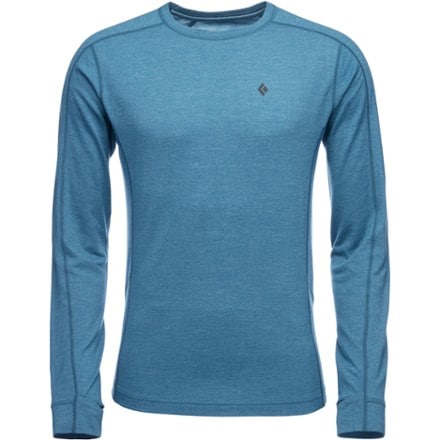
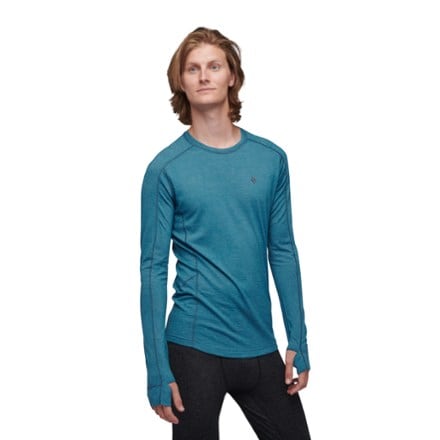
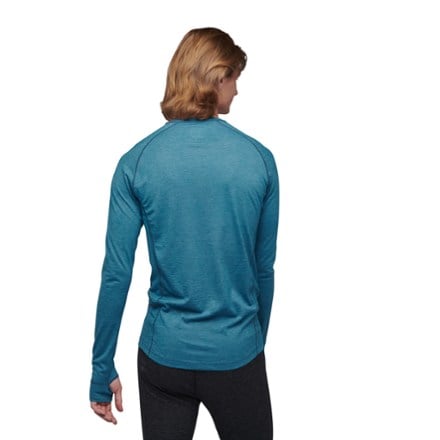
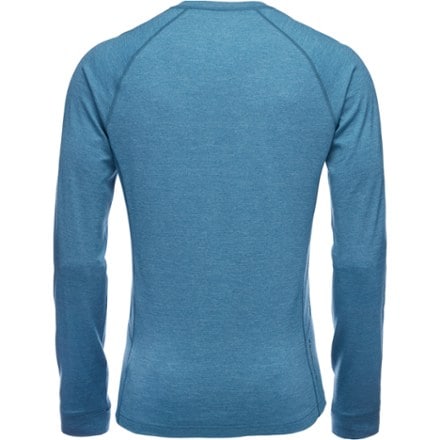
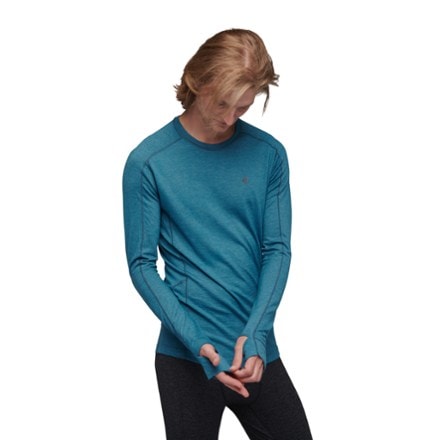
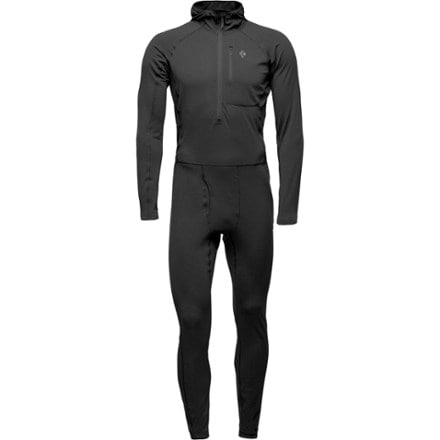
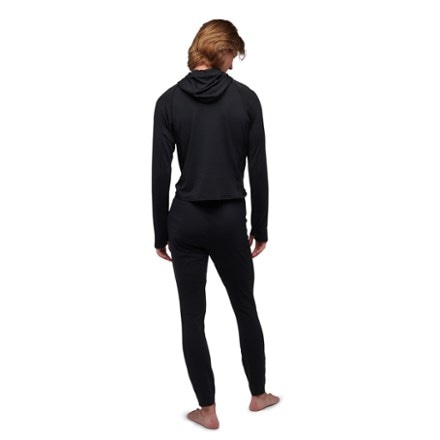
- Start with a base layer that wicks sweat off your skin; this includes underwear, a bra, hiking shirt and hiking pants
- Add a middle layer to retain body heat in colder conditions; this could be a fleece jacket, an insulated vest or puffy jacket
- An outer layer, like a rain jacket, shields you from wind and rain
Read full article: What to Wear Hiking